
Two iOS apps helping Danish consumers boycott American products have rapidly climbed Denmark's App Store charts following escalating tensions over Greenland, highlighting how geopolitical conflicts drive mobile app adoption.
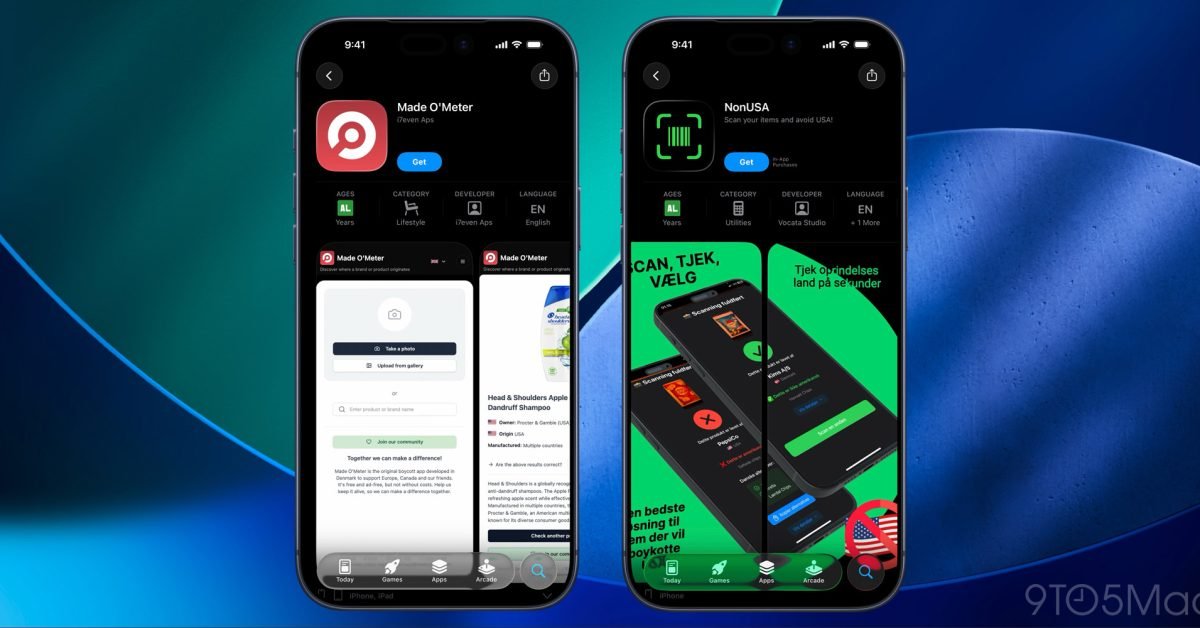
Recent geopolitical friction between Denmark and the United States over Greenland has triggered unexpected mobile app adoption patterns. Sensor Tower and Appfigures data reveals that two applications—NonUSA (UdenUSA) and Made O'Meter—have surged to become Denmark's most downloaded iOS apps this month, demonstrating how quickly consumer behavior shifts during international disputes.
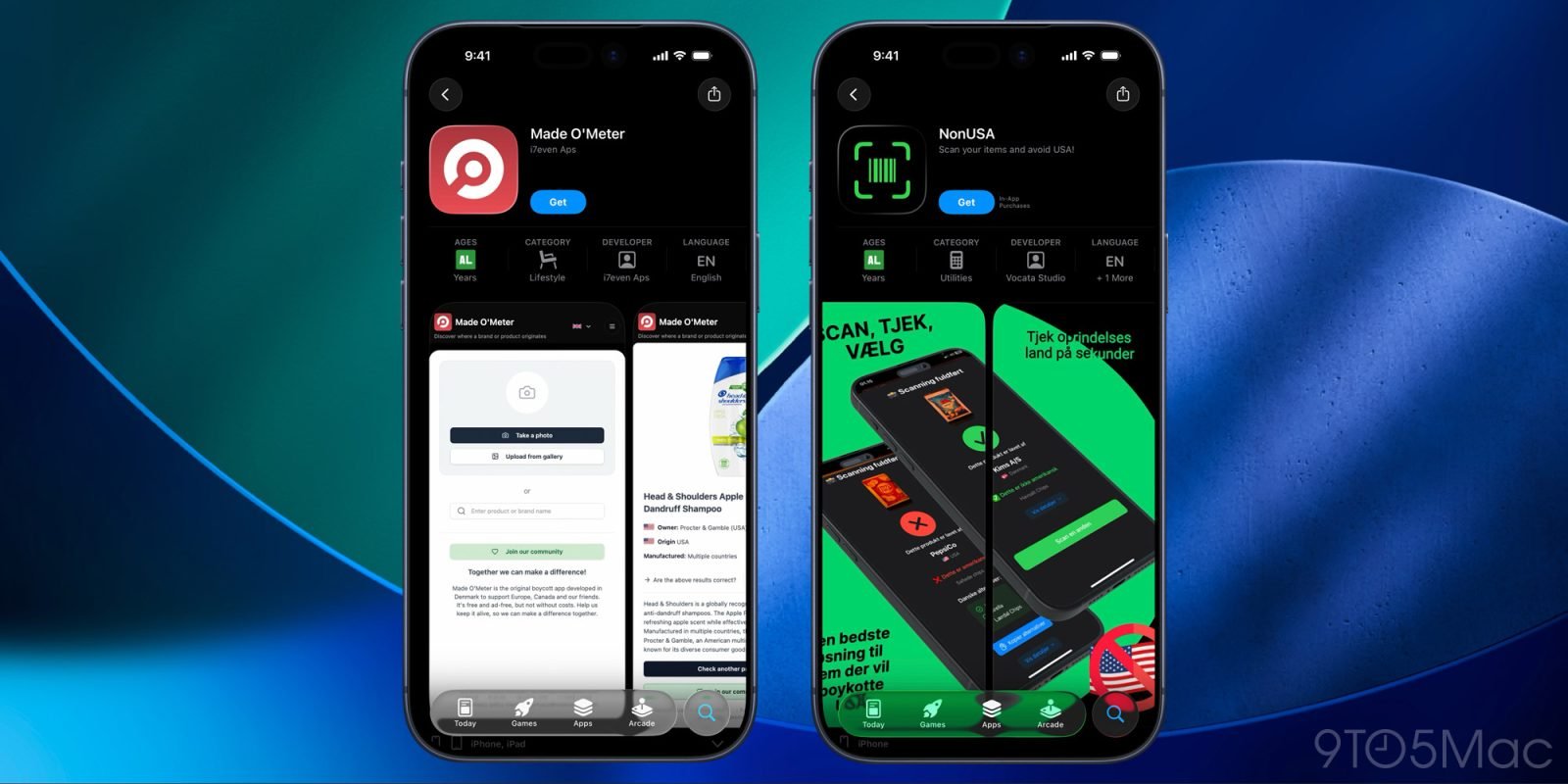
The apps leverage core iOS capabilities to enable product boycotts. Both utilize the iPhone's camera and barcode scanning APIs—requiring iOS 15 or later for full functionality—to identify product origins. When users scan barcodes, the apps cross-reference product databases to determine manufacturing origin and corporate ownership. Made O'Meter positions itself as a supply chain transparency tool, while NonUSA explicitly states its purpose: "helping you identify and avoid American products in your everyday life" while suggesting Danish alternatives.
Technical implementation differs between platforms. The iOS versions capitalize on Apple's Core Image framework for efficient barcode recognition, while Android implementations rely on Google's ML Kit Barcode Scanning. Both platforms face challenges maintaining accurate product databases, requiring frequent updates through their respective app store release mechanisms.
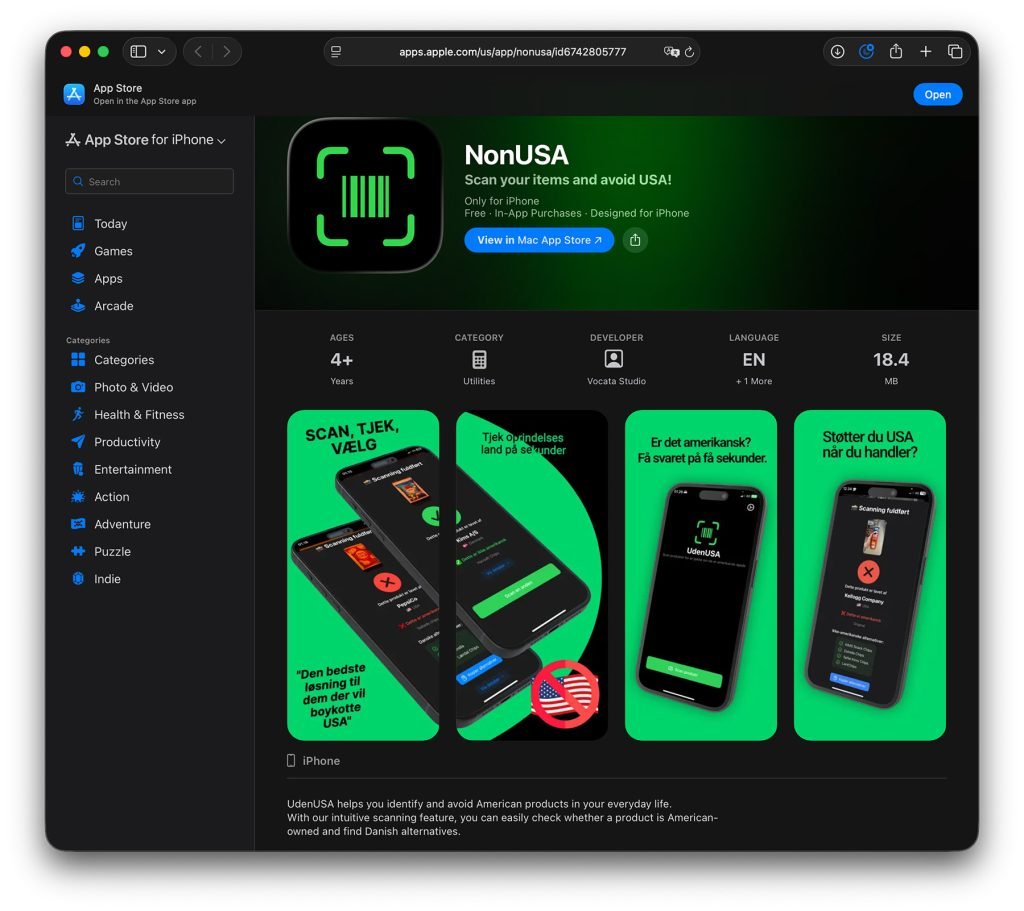
App Store rankings show dramatic momentum shifts. NonUSA jumped from position #441 on January 9 to Denmark's #1 downloaded app by January 21, with Made O'Meter reaching #4. This adoption spike coincides with Denmark's recent trade restrictions against U.S. goods. Apple's regional App Store algorithms amplified visibility as download velocity increased, though neither app currently ranks in Google Play's top charts.

Developers face unique challenges maintaining these tools. Database accuracy depends on constantly updated product information, requiring backend systems that sync with retail inventory changes. Privacy considerations also emerge—while neither app collects personal data according to their App Store listings, persistent camera access creates potential privacy implications requiring careful permission handling.
The situation underscores mobile technology's role in geopolitical expression. Though ironic that Danish consumers use U.S.-made iPhones and Apple's App Store to boycott American products, the adoption demonstrates how quickly mobile apps become instruments of economic protest. For developers, it highlights how regional conflicts can rapidly reshape app store landscapes overnight.
Comments
Please log in or register to join the discussion