Apple's credit card partnership moves from Goldman Sachs to Chase, raising questions about cash back, savings accounts, and potential ecosystem integration.
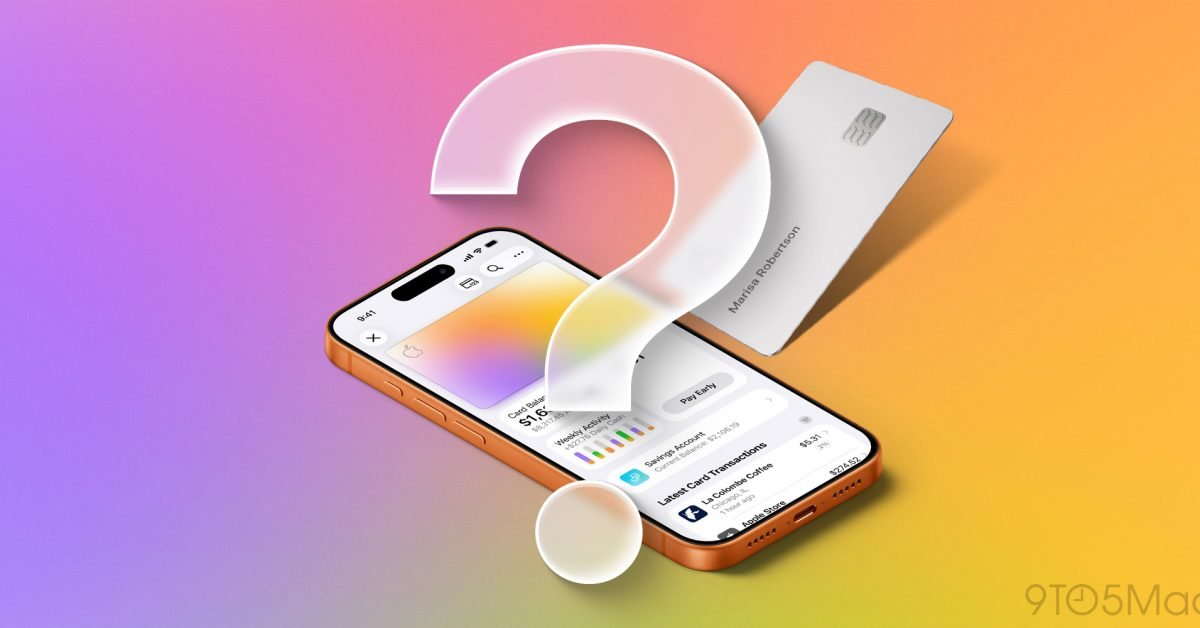
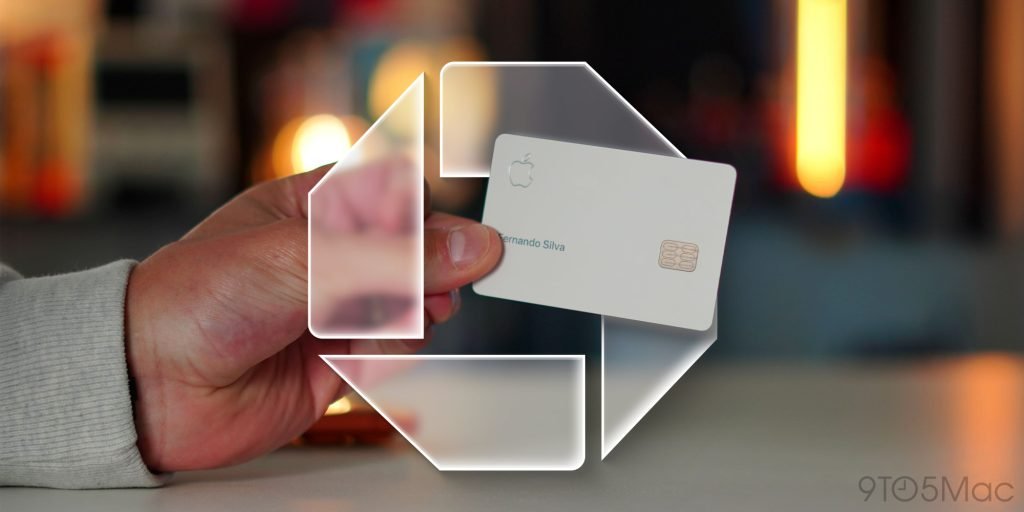
After months of speculation, Apple has confirmed JPMorgan Chase will replace Goldman Sachs as the issuer of its popular Apple Card. This transition follows Goldman Sachs' reported $2 billion in losses from the program and marks a significant shift for one of tech's most distinctive financial products.
Potential Benefit Changes
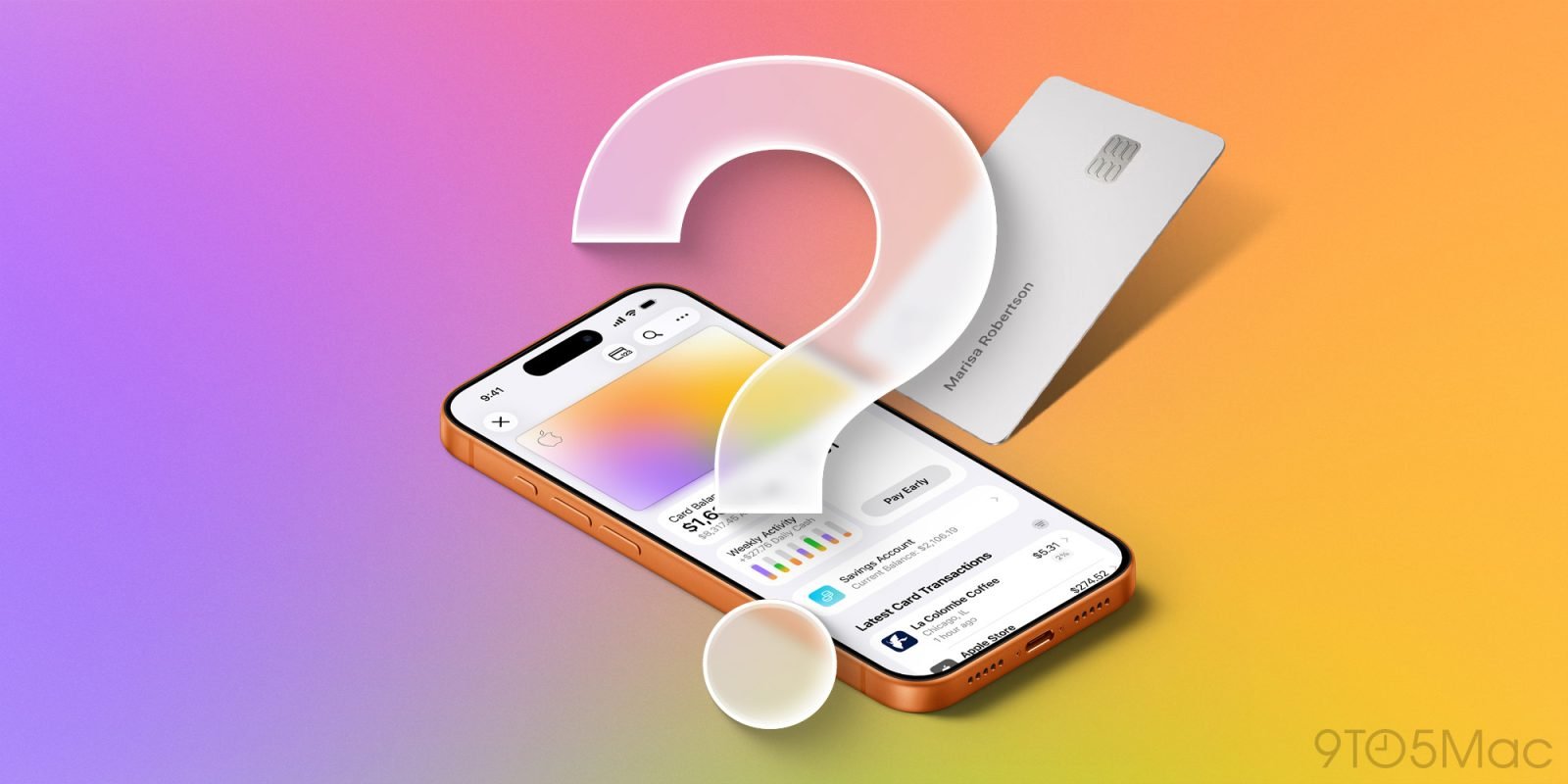
The Apple Card's unique selling points – zero fees, 3% Daily Cash on Apple purchases, and interest-free Apple financing – now face scrutiny. While Apple's transition FAQ page confirms existing benefits continue "during the transition period," it notably avoids long-term commitments. Given Goldman's substantial losses on the program, analysts question whether Chase can maintain these perks without adjustments.
Chase brings vastly more credit card experience to the table. The bank operates popular cash-back cards like Freedom Unlimited alongside premium travel cards earning Ultimate Rewards points. This raises a critical question: Will the Apple Card remain a pure cash-back product, or could Chase integrate it into its lucrative points ecosystem?
Savings Account Uncertainty
The Apple Card Savings Account faces even more uncertainty. Existing Goldman Sachs customers can choose to stay or move to Chase, but new accounts will be Chase-operated. This poses a challenge: Chase traditionally offers low-yield savings accounts (currently ~0.01% APY), while Goldman's version pays 3.65% APY. Industry observers doubt Chase will match this rate:
"Big banks have little incentive to offer competitive savings yields," explains banking analyst Sarah Kim. "If Chase offers even half of Goldman's rate, I'd be shocked."
Customers seeking high yields may need alternatives like Goldman's Marcus savings account (currently 4.40% APY).
Customer Service Improvements
One clear upside: Chase should resolve longstanding customer service issues. Goldman faced widespread complaints about dispute resolution delays and support accessibility – pain points highlighted in Apple Card subreddits daily. As a credit card veteran processing over $1 trillion annually, Chase has robust systems for handling disputes and fraud claims.
Operational Changes
Apple Card's unique end-of-month payment deadline for all users may change. This uniformity contributed to Goldman's support bottlenecks. Chase will likely implement staggered due dates and potentially offer payment date customization – standard industry practices Apple previously avoided.
Apple Cash Integration
The transition also raises questions about Apple Cash, currently issued by Green Dot Bank. Chase would logically want to integrate Apple Card cash back deposits with its own systems rather than routing through a competitor. While unconfirmed, consolidating Apple Cash under Chase would streamline operations.
The Road Ahead
Chase's takeover could bring much-needed stability and customer service improvements. However, cardholders should watch for potential benefit adjustments after the transition period ends. Will Apple Card retain its minimalist appeal, or evolve into a Chase Ultimate Rewards earner? The answers will shape one of tech's most-watched financial experiments.


What's your take? Are you optimistic about Chase's takeover or concerned about changes? Share your thoughts in the comments.
Comments
Please log in or register to join the discussion