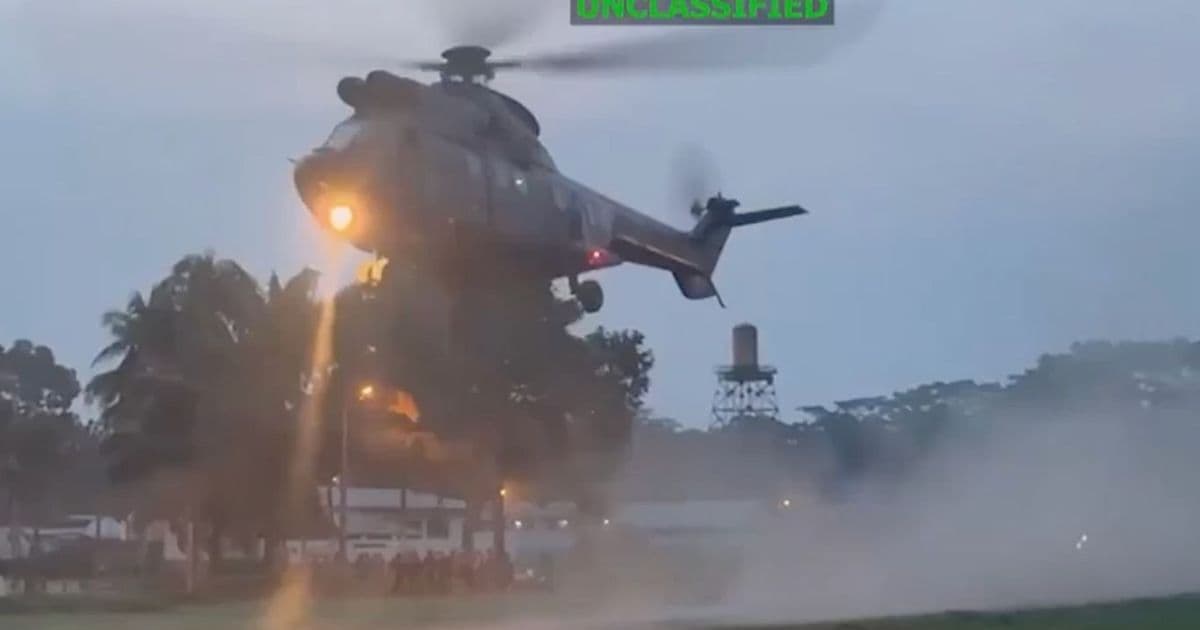
US and Ecuadorian forces have launched coordinated operations against drug traffickers, marking a significant escalation in bilateral security cooperation amid rising cocaine production and trafficking through the region.
The United States and Ecuador have initiated joint military operations targeting drug trafficking organizations operating within Ecuador's borders, according to officials from both countries. The operations, which began earlier this week, represent a significant escalation in bilateral security cooperation as cocaine production and trafficking through the region continues to rise.
Strategic Context
The operations come amid growing concerns about Ecuador's role as a transit country for cocaine shipments bound for North American and European markets. Ecuador's geographic location between Colombia and Peru—the world's two largest cocaine producers—has made it increasingly vulnerable to drug trafficking organizations seeking alternative routes.
Ecuadorian authorities report that cocaine seizures have increased dramatically in recent years, with over 200 tons intercepted in 2023 alone. The country's ports, particularly Guayaquil, have become major transshipment points for cocaine leaving South America.
Operational Details
The joint operations involve U.S. Southern Command personnel working alongside Ecuadorian military and law enforcement agencies. While specific details remain limited due to operational security concerns, officials indicate that the missions focus on disrupting major trafficking networks and interdicting shipments before they reach coastal areas and ports.
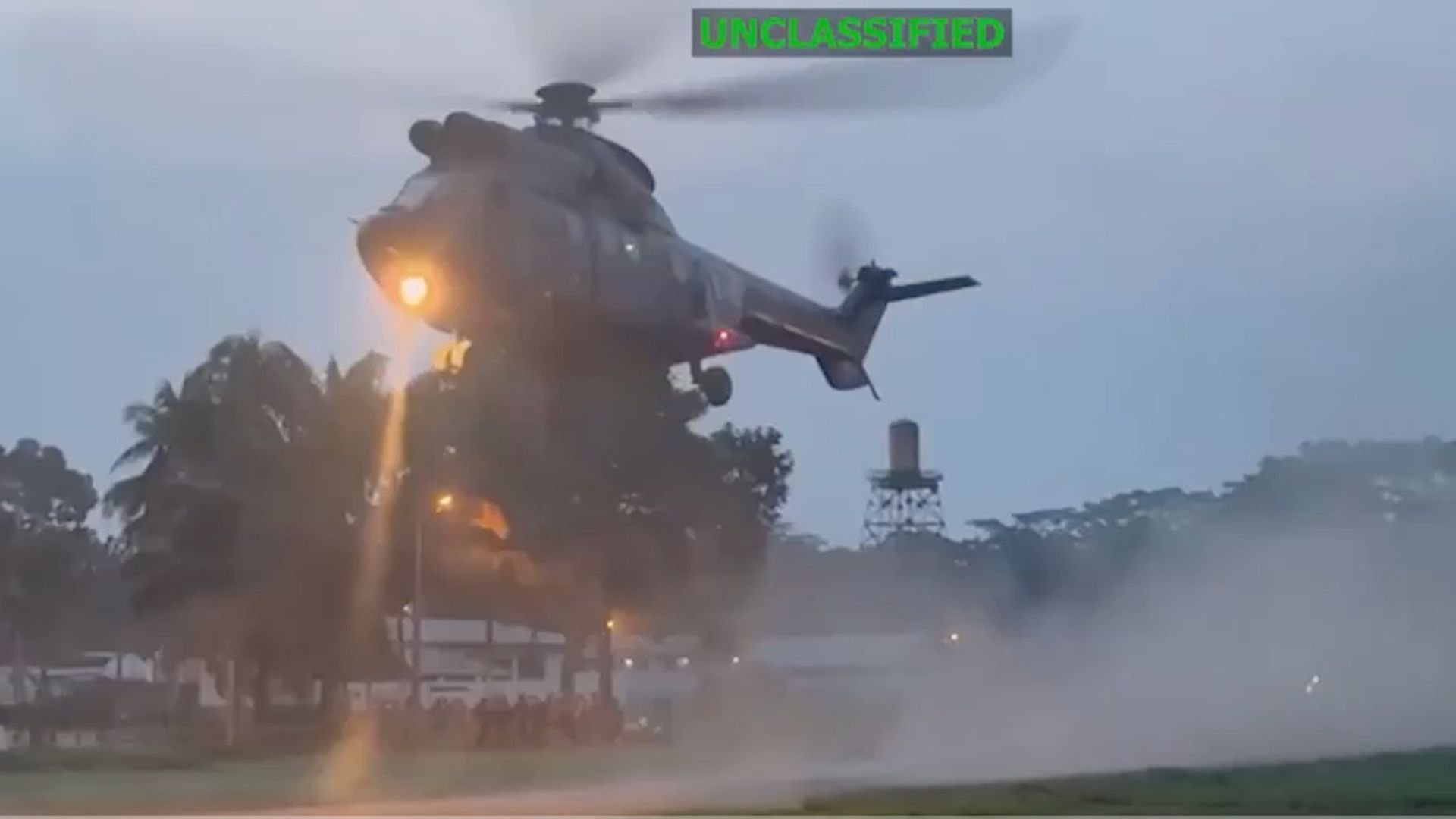
U.S. Southern Command has provided logistical support, intelligence sharing, and specialized training to Ecuadorian forces as part of the collaboration. The operations utilize both aerial surveillance and ground-based interdiction tactics.
Regional Implications
This military cooperation reflects a broader shift in U.S. policy toward the Andean region, where traditional counter-narcotics strategies have shown limited success. The approach emphasizes strengthening partner nation capabilities rather than direct U.S. intervention.
Ecuadorian President Daniel Noboa has prioritized security issues since taking office, declaring a "war" on drug trafficking organizations in January 2024. The joint operations with the United States represent a key component of this strategy.
Economic Impact
The drug trade has had significant economic consequences for Ecuador, contributing to increased violence, extortion, and corruption. The operations aim to restore security and stability, which officials hope will encourage foreign investment and economic growth.
However, critics warn that military-focused approaches alone may not address the root causes of drug trafficking, including poverty, lack of economic opportunities, and weak governance in certain regions.
International Response
Regional neighbors have expressed varying degrees of support for the operations. Colombia and Peru, facing similar challenges with cocaine production and trafficking, have indicated interest in expanding trilateral cooperation.
The United Nations Office on Drugs and Crime has called for comprehensive approaches that combine law enforcement with development initiatives to address the complex factors driving the drug trade.
Future Outlook
The success of these joint operations could determine the future scope of U.S.-Ecuadorian military cooperation. If effective in disrupting major trafficking networks, the model may be expanded to other areas of security cooperation.
However, the operations face significant challenges, including the adaptability of trafficking organizations, the vast territory that needs to be monitored, and the need to maintain public support for military interventions in domestic security matters.
As the operations continue, both countries have pledged to maintain transparency with their citizens while protecting sensitive operational details that could compromise effectiveness.
Comments
Please log in or register to join the discussion