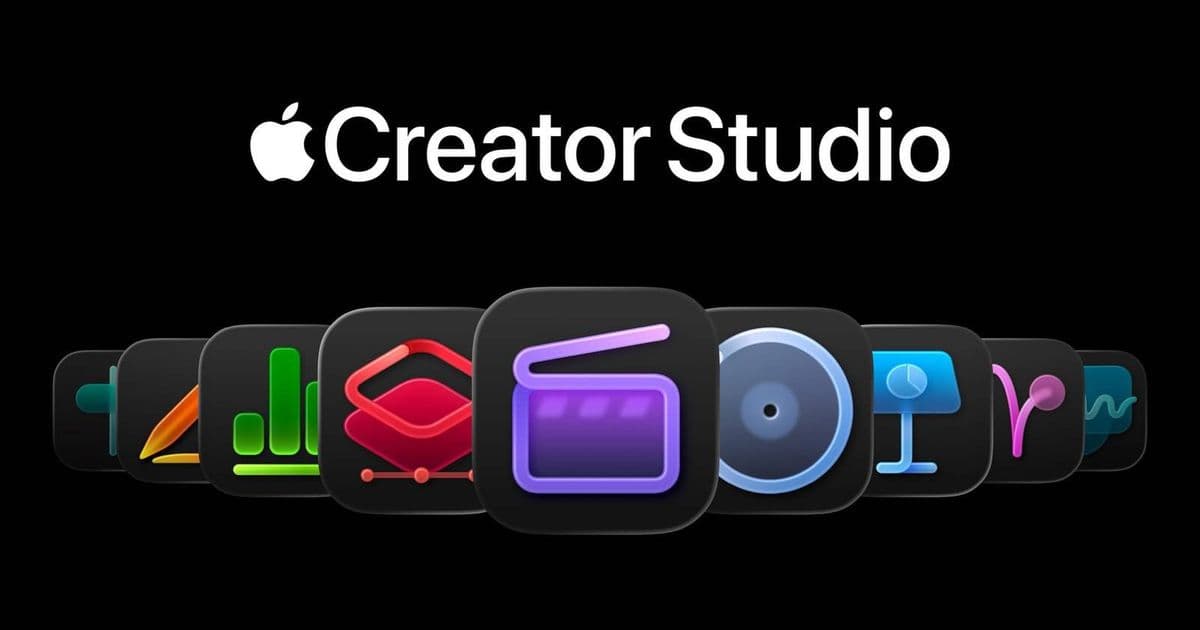
Apple's new Creator Studio suite represents a direct challenge to Adobe's subscription model, offering integrated creative tools across iOS, iPadOS, and macOS with a one-time purchase option that could reshape mobile professional workflows.
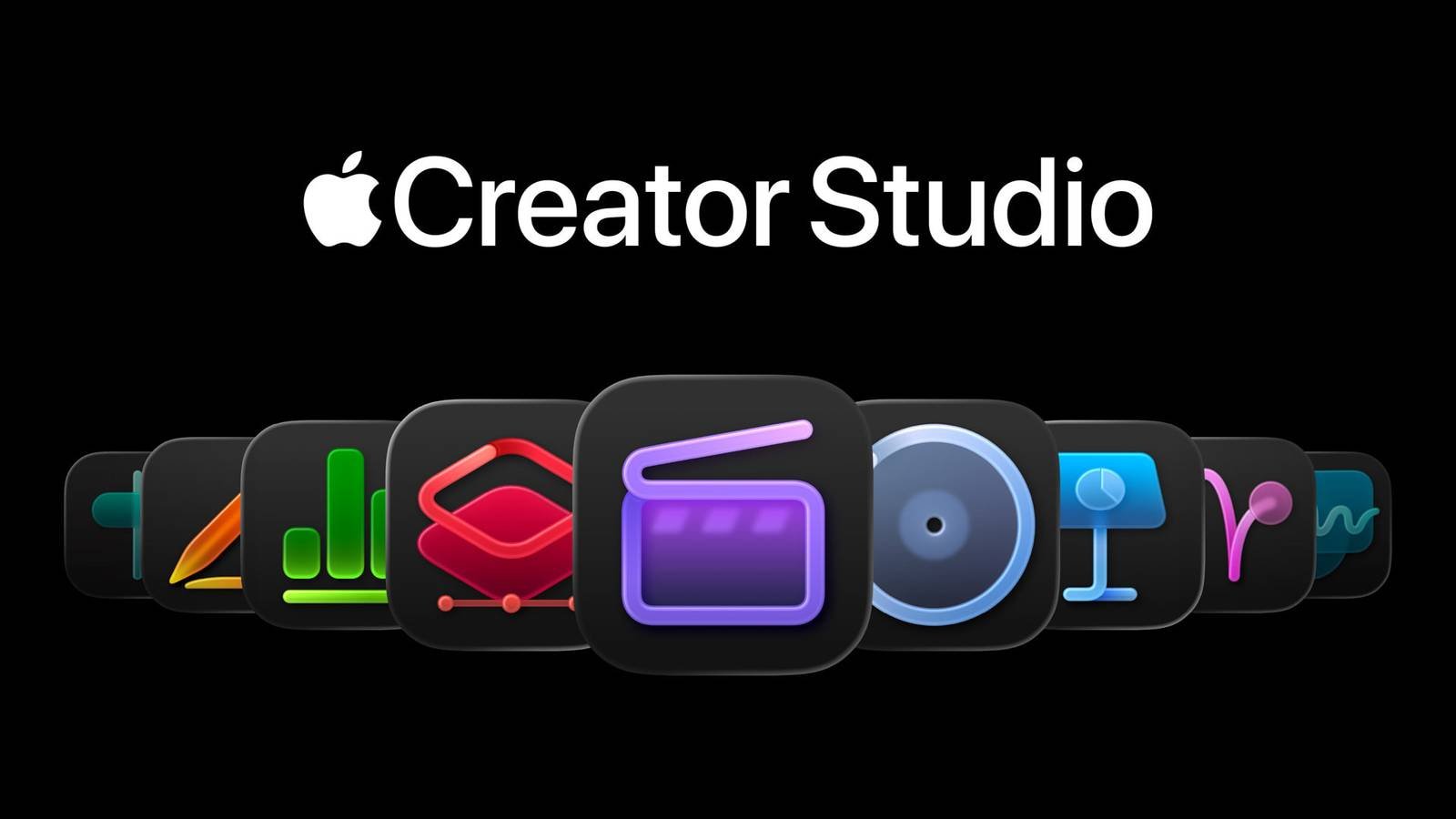
Apple has officially unveiled Creator Studio, a comprehensive suite of professional creative applications designed to compete directly with Adobe's Creative Cloud ecosystem. This strategic move positions Apple to capture the growing market of mobile-first creators who currently rely on Adobe's subscription-based tools, offering a compelling alternative that leverages Apple's hardware-software integration across its entire device lineup.
The Creator Studio Suite Breakdown
Creator Studio isn't a single application but rather a collection of tightly integrated tools built from the ground up for Apple Silicon and the company's mobile platform. The suite includes:
- Creator Studio Pro: A Photoshop alternative focused on photo editing and compositing
- Motion Canvas: A video editing tool positioned between iMovie and Final Cut Pro
- Vector Sketch: A vector graphics editor targeting Illustrator users
- Audio Forge: A digital audio workstation for podcast and music production
- Layout: A desktop publishing tool competing with InDesign
What makes this suite particularly interesting for developers and creators is Apple's approach to pricing and integration. Rather than adopting the subscription model that has become industry standard, Creator Studio will be available as a one-time purchase through the App Store, with individual apps priced between $29-$99 and a complete suite bundle at $299.
Cross-Platform Considerations and Developer Impact
For mobile developers maintaining apps across iOS and Android, Creator Studio introduces several important dynamics. First, Apple is doubling down on its platform exclusivity - the suite will only be available on iOS 18, iPadOS 18, and macOS 15 or later. This creates a clear delineation between Apple's ecosystem and Android's creative tool landscape, which currently lacks a comparable first-party solution.
The technical architecture reveals Apple's long-term strategy. Creator Studio apps are built using Apple's new Metal 3 graphics API and take full advantage of the Neural Engine for AI-powered features like content-aware fill, automatic masking, and real-time collaboration. This tight hardware integration means performance on Apple devices will likely exceed comparable Android apps running on similar hardware.
For developers working with cross-platform frameworks like Flutter or React Native, Creator Studio's release highlights a growing gap in platform-specific capabilities. While cross-platform tools continue to improve, Apple's native applications demonstrate what's possible when developers have deep access to hardware features like the Neural Engine, ProMotion displays, and the new Ultra Wideband chip for device-to-device collaboration.
Migration Path for Adobe Users
Apple is providing substantial incentives for Adobe users to switch. The company has built in import capabilities for PSD, AI, and PRPROJ files, and is offering a migration tool that preserves layers, masks, and editing history. However, there are trade-offs to consider.
Adobe's Creative Cloud offers several advantages that Creator Studio currently lacks:
- Cross-platform availability (Windows, Android, web)
- Cloud storage and collaboration features
- Extensive plugin ecosystem
- Industry-standard file formats and workflows
For mobile-focused creators, Creator Studio's one-time purchase model is particularly appealing. A photographer currently paying $53/month for Adobe's Photography Plan would recoup the cost of Creator Studio Pro in under six months. Over three years, that's a savings of over $1,600.
Technical Deep Dive: What's Under the Hood
Creator Studio's architecture reveals Apple's confidence in its hardware roadmap. The suite is optimized for the M-series chips and A17 Pro processors, using unified memory architecture to handle large files efficiently. Apps can leverage up to 80% of available RAM on devices with 16GB or more, something that's difficult to achieve on Android due to memory management constraints.
The Neural Engine integration is particularly sophisticated. Creator Studio can perform on-device machine learning tasks that typically require cloud processing, including:
- Background removal in under 0.5 seconds
- Style transfer for artistic effects
- Smart object selection
- Audio noise reduction
This on-device processing addresses privacy concerns while delivering performance that rivals cloud-based solutions.
The Cross-Platform Reality Check
For developers maintaining applications across both iOS and Android, Creator Studio's introduction creates a strategic question: should you invest in platform-specific features or continue with cross-platform approaches?
The answer depends on your target audience. If you're building creative tools for professional workflows, Apple's ecosystem now offers a compelling native advantage. However, if your app serves a broader audience or requires Windows compatibility, cross-platform development remains the pragmatic choice.
Apple's move also signals confidence in its platform's growth. By investing heavily in creative professional tools, the company is betting that the future of content creation is mobile-first and platform-loyal. This could accelerate the trend of creative professionals switching to Apple devices, potentially impacting Android's market share in the premium segment.
Pricing and Availability
Creator Studio will be available in Fall 2024 through the App Store. Apple is offering educational pricing at 50% off for students and teachers, and enterprise licensing for teams. The company has not announced any plans for Windows or Android versions, making this a clear ecosystem play.
Current Adobe subscribers can try Creator Studio through a 90-day free trial, and Apple is offering a trade-in program that provides credit toward Creator Studio based on remaining Adobe subscription time.
The Bottom Line for Mobile Developers
Apple's Creator Studio suite represents the company's most direct challenge to Adobe's creative software dominance. For mobile developers, this reinforces the importance of understanding platform-specific capabilities and the value of native development for performance-critical applications.
While cross-platform tools continue to serve an important role in the development landscape, Creator Studio demonstrates that there's still significant value in building applications that can fully leverage platform-specific hardware and software features. The question for developers is whether their target audience values the performance and cost benefits of native development enough to justify the platform exclusivity.
Comments
Please log in or register to join the discussion