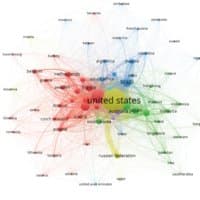
A comprehensive research framework proposes using otters as bioindicators to monitor estuarine health, addressing critical scientific gaps in understanding habitat connectivity, contaminant bioaccumulation, and pathogen dynamics in coastal ecosystems.
Estuaries worldwide face mounting pressures from pollution, habitat fragmentation, and climate change, yet effective monitoring tools remain scarce. A new research framework published in Estuarine Management and Technologies proposes an innovative solution: using otters as bioindicators to assess ecosystem health.
Why Otters Make Ideal Bioindicators
Otters occupy a unique position in aquatic food webs as apex predators that require both terrestrial and aquatic habitats. This dual dependency makes them particularly sensitive to environmental changes. As Carvalho-Junior and colleagues explain, "Otters integrate multiple environmental stressors across spatial and temporal scales, making them excellent sentinels for ecosystem health."
The research team identifies three key mechanisms that make otters effective bioindicators:
Habitat Dependency and Landscape Connectivity: Otters require contiguous habitat corridors between freshwater and marine environments. Their presence indicates functional connectivity, while their absence often signals habitat fragmentation.
Contaminant Bioaccumulation: As top predators, otters accumulate toxins from their prey, providing measurable data on pollution levels across trophic levels. Studies have detected microplastics, heavy metals, and persistent organic pollutants in otter populations.
Pathogen Exposure and Spillover Dynamics: Otters can serve as early warning systems for zoonotic diseases and environmental pathogens that may affect both wildlife and human communities.
Current Research Landscape
The global research landscape reveals significant geographic and taxonomic gaps. While Eurasian otters (Lutra lutra) have received substantial attention in Europe, Neotropical otters (Lontra longicaudis) remain understudied despite facing similar threats. The team's bibliometric analysis shows concentrated research in North America and Europe, with emerging work in South America and Asia.
Recent studies highlight concerning trends. Luna et al. (2025) documented synthetic debris ingestion by Eurasian otters across Europe, while Nopp-Mayr et al. (2024) found microplastics in otter feces from alpine streams. These findings suggest otters are accumulating anthropogenic pollutants even in seemingly pristine environments.
The Operational Framework
The proposed framework consists of four interconnected components:
1. Baseline Monitoring Protocol
- Standardized sampling methods for otter populations
- Habitat quality assessments using GIS-based landscape analysis
- Water quality parameters correlated with otter presence
2. Trophic and Behavioral Indicators
- Diet analysis through scat examination
- Movement patterns tracked via telemetry
- Behavioral observations linked to environmental conditions
3. Contaminant and Pathogen Screening
- Tissue sampling for bioaccumulation studies
- Fecal analysis for pathogen detection
- Environmental DNA sampling from otter habitats
4. Data Integration and Modeling
- Machine learning algorithms to predict ecosystem health
- Spatial analysis of habitat connectivity
- Temporal trend analysis for long-term monitoring
Field-Based Insights
Field studies from Brazil provide compelling evidence for the framework's effectiveness. Carvalho-Junior's work on Santa Catarina Island demonstrates how otter populations respond to habitat changes. The research shows that otter presence correlates strongly with mangrove health and water quality parameters.
Similarly, studies of sea otters in California estuaries reveal their role as ecosystem engineers. Hughes et al. (2019) found that sea otter recolonization led to improved seagrass health and reduced invasive species populations, demonstrating the cascading effects of otter presence on ecosystem function.
Scientific Gaps and Future Directions
The framework identifies several critical research gaps:
Taxonomic Bias: Most research focuses on a few species, leaving many otter species unstudied.
Geographic Disparities: Tropical and subtropical estuaries remain underrepresented in bioindicator research.
Methodological Standardization: Lack of standardized protocols hinders comparative studies across regions.
Climate Change Impacts: Limited understanding of how climate change affects otter populations and their indicator value.
Implementation Challenges
Several obstacles must be addressed for widespread adoption:
Logistical Constraints: Otters are elusive and require specialized tracking equipment and expertise.
Funding Limitations: Long-term monitoring programs need sustained financial support.
Regulatory Hurdles: Wildlife research permits and ethical considerations can delay studies.
Data Integration: Combining data from multiple sources and methodologies requires sophisticated analytical tools.
Conclusion
The otter-based bioindicator framework represents a significant advancement in estuarine monitoring. By leveraging the ecological characteristics that make otters sensitive to environmental changes, researchers can develop more effective early warning systems for ecosystem degradation.
As Haddout et al. (2024) note in their broader assessment of estuarine research, "Integrated approaches that combine biological indicators with traditional monitoring methods offer the best path forward for comprehensive ecosystem assessment."
This framework provides a practical roadmap for implementing otter-based monitoring programs while highlighting the need for continued research to address existing gaps. The approach offers particular promise for developing regions where traditional monitoring infrastructure may be limited but otter populations remain relatively intact.
The success of this framework could transform how we monitor and protect estuarine ecosystems, using these charismatic predators as sentinels for broader environmental health.
Comments
Please log in or register to join the discussion