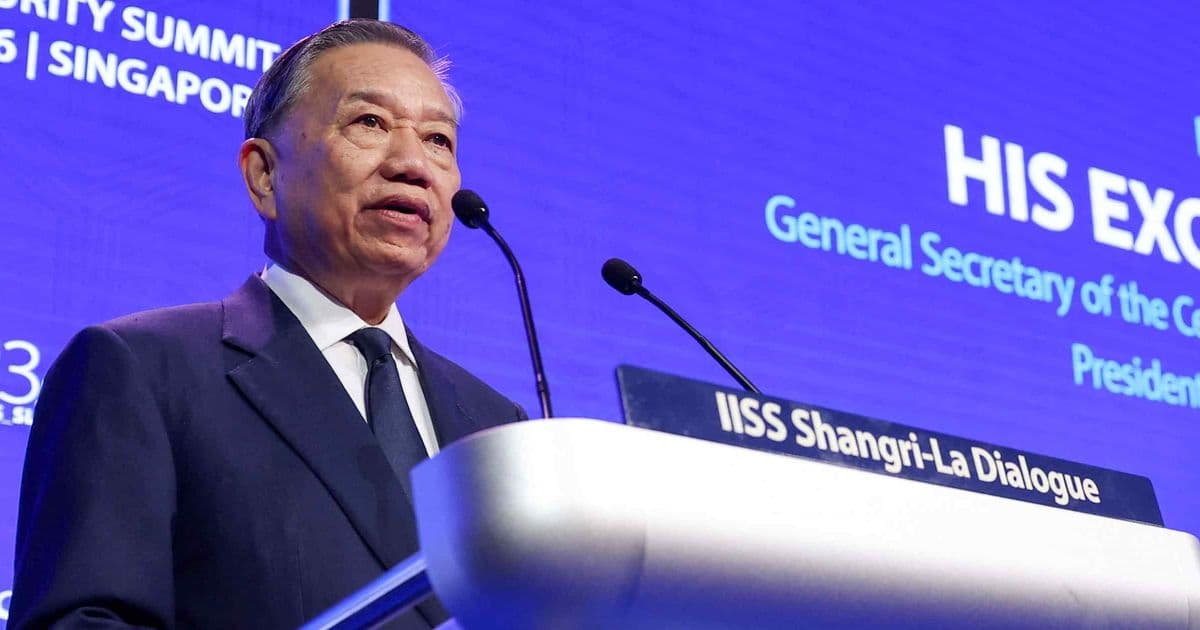
Vietnamese President and Communist Party leader To Lam warned that mistrust and fragmentation are deepening in the international order, urging Hanoi to pursue a balanced, multilateral foreign policy while strengthening defence capabilities.
Vietnam’s To Lam Calls for Strategic Balance at Shangri‑La Dialogue
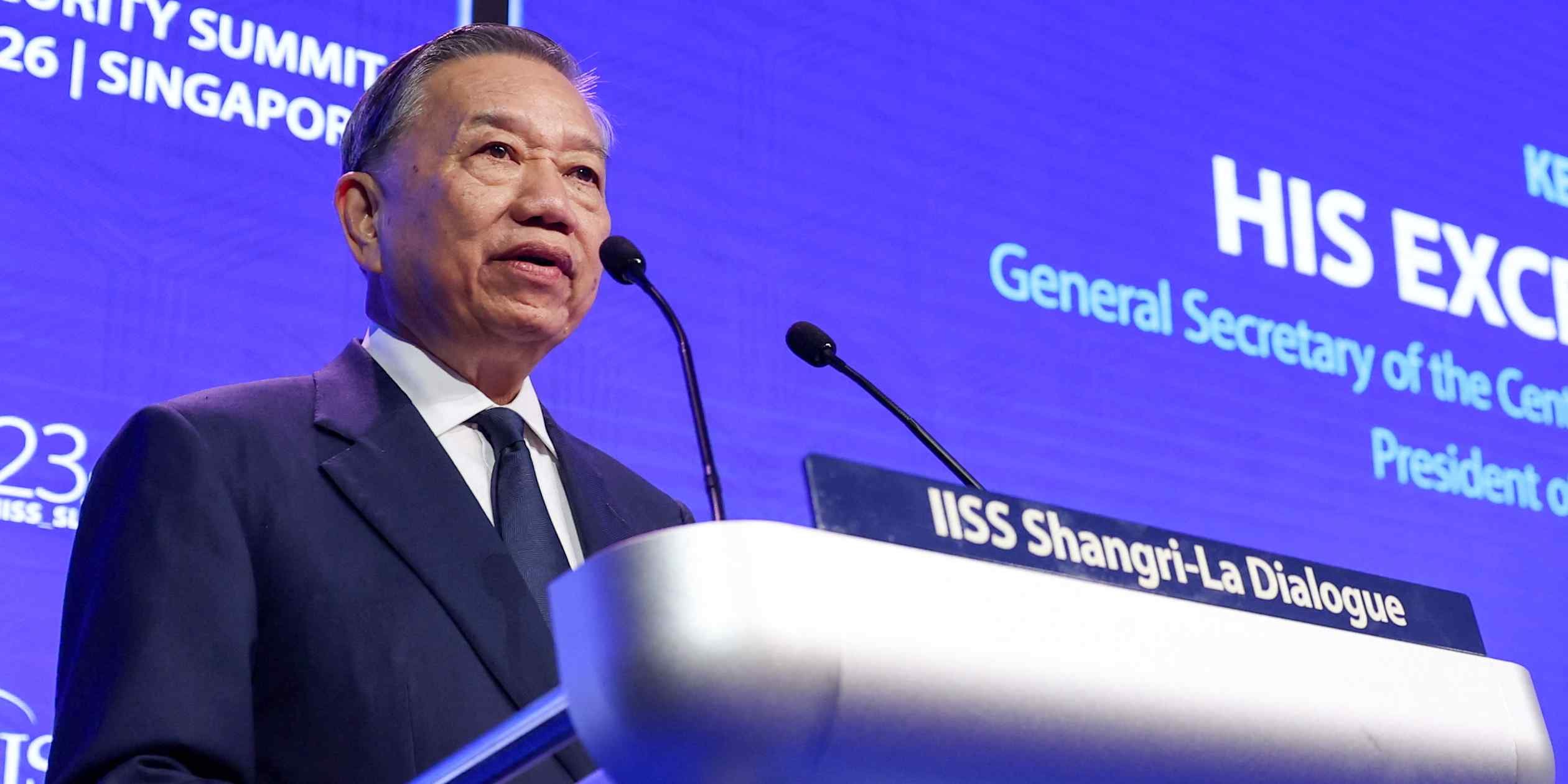
Vietnam’s President and Communist Party General Secretary To Lam used his keynote address at the IISS Shangri‑La Dialogue in Singapore to outline Hanoi’s response to a world that is becoming increasingly divided along geopolitical lines. The speech, delivered on 29 May 2026, highlighted three inter‑related pressures:
- Rising mistrust among major powers – the United States, China and Russia are each deepening their security footprints in the Indo‑Pacific, creating a “deepening divide” that threatens regional stability.
- Supply‑chain shocks – disruptions in critical minerals, energy and food markets are forcing governments to reassess strategic autonomy.
- Domestic security imperatives – Vietnam’s own defence budget has risen to $9.3 billion, a 12 % increase from 2025, reflecting the need to modernise its armed forces.
Market Context
To Lam’s remarks come at a time when Vietnam is negotiating several high‑value defence deals. The most notable is the BrahMos cruise‑missile partnership with India, which is expected to bring an estimated $300 million in technology transfer and local production contracts. At the same time, the country is deepening ties with Japan, South Korea and the United States through joint exercises and intelligence‑sharing agreements.
The broader regional market is seeing a surge in defence procurement. According to the Stockholm International Peace Research Institute (SIPRI), Asia‑Pacific defence spending reached $274 billion in 2025, up 9 % year‑on‑year. Vietnam’s share of that total grew from 2.8 % in 2023 to 3.4 % in 2025, driven by purchases of maritime patrol aircraft, anti‑ship missiles and cyber‑defence tools.
What It Means for Vietnam and the Region
- Balanced multilateralism – To Lam urged Vietnam to avoid taking sides, instead positioning the country as a bridge between competing blocs. This approach aligns with Hanoi’s recent push for a “ASEAN‑centric” security architecture, which could see the bloc coordinating a shared fuel reserve and joint logistics hub.
- Industrial uplift – The BrahMos deal and similar projects are expected to create over 2,000 skilled jobs and stimulate domestic aerospace and electronics sectors. If Vietnam meets its target of $15 billion in defence‑related exports by 2030, the sector could become a net contributor to the trade surplus.
- Strategic deterrence – By expanding its missile capabilities and modernising naval platforms, Vietnam aims to deter potential incursions in the South China Sea, where overlapping claims have heightened the risk of accidental escalation.
- Risk of over‑reliance – While deepening ties with the United States and India provide security guarantees, they also expose Vietnam to the risk of being caught in great‑power rivalry. To Lam’s call for “balance” signals a desire to keep diplomatic channels open with Beijing, especially on issues such as the Mekong River water management and cross‑border trade.
Bottom Line
To Lam’s Shangri‑La address underscores a pragmatic shift in Vietnam’s foreign‑policy calculus: strengthen defence capabilities, diversify strategic partnerships, and maintain a neutral stance where possible. The strategy aims to protect national sovereignty while capitalising on the economic upside of defence‑related industrialisation. As the Indo‑Pacific continues to attract competing security investments, Vietnam’s ability to walk the tightrope between major powers will be a key indicator of regional stability.
Comments
Please log in or register to join the discussion