Ahead of WWDC 2026, Apple is spotlighting four winning projects from this year’s Swift Student Challenge, highlighting how student developers combined Swift, Apple platform tools, and third-party AI coding assistants to build accessible, utility-focused apps in a fraction of the usual development time.
WWDC 2026 is set to kick off on June 8, and Apple is building anticipation by spotlighting four standout projects from this year’s Swift Student Challenge. The annual competition invites students worldwide to build app playgrounds using Swift and Apple platform tools, with top entrants earning the chance to attend the developer conference. This year, Apple is placing a specific focus on how winners integrated third-party AI coding assistants into their workflows to accelerate development and tackle complex technical problems.
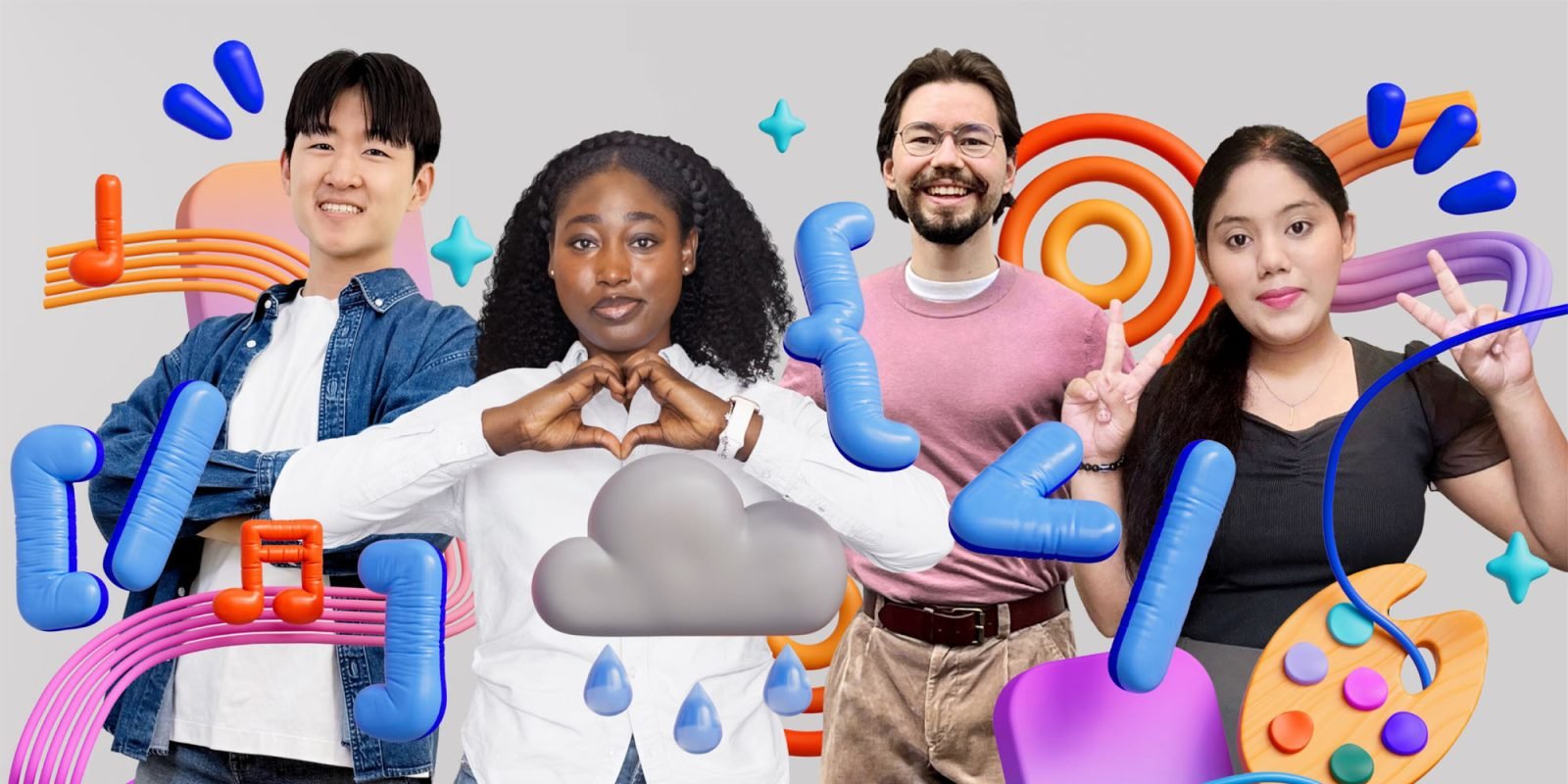
Each year, Apple selects 50 Distinguished Winners from the Swift Student Challenge pool to attend WWDC in person. Susan Prescott, Apple’s vice president of Worldwide Developer Relations, noted the unique blend of creativity and technical skill in this year’s entries.
"The breadth of creativity we see in the Swift Student Challenge never ceases to amaze us," Prescott says. "This year’s winners found remarkable ways to harness the power of Apple platforms, Swift, and AI tools to build app playgrounds that are as technically impressive as they are meaningful. We’re incredibly proud to support their journey and can’t wait to see what they create next."
The Four Showcased Apps
Apple highlighted four projects that represent the range of use cases and development approaches in this year’s challenge:
Steady Hands by Gayatri Goundadkar
Steady Hands is an app playground designed to help people with hand tremors create digital art using the Apple Pencil. The project was inspired by Apple’s existing accessibility features, including Touch Accommodations, which adjusts touch input for users with motor limitations.
Goundadkar learned SwiftUI concepts by using Anthropic’s Claude to unpack lessons on how PencilKit, Apple’s framework for Apple Pencil input, handles stroke data. To characterize individual users’ tremors, she built a custom tool that analyzes raw motion data from the iPad and Apple Pencil, capturing hand movements and applying signal processing techniques to identify the frequency and intensity of each user’s tremor. This data is then used to stabilize Pencil input in real time, making it easier for users to draw precise lines.
Pitch Coach by Anton Baranov
Pitch Coach is billed as an Apple Intelligence-powered wingman for entrepreneurs preparing for investor pitches like those on Shark Tank. Baranov used Apple’s Foundation Models framework to generate personalized, context-aware feedback for users after each practice session, including summaries and alerts for filler words like “like” or “um”.
He also used the Claude Agent in Xcode 26 to translate the app into 20 languages, consulting with friends and colleagues to identify common filler words in non-English languages. Xcode 26, the upcoming version of Apple’s IDE tied to WWDC 2026, includes deeper integration with third-party AI coding tools, a shift that aligns with Apple’s broader push to make AI development more accessible to all developers.
Asuo by Karen-Happuch Peprah Henneh
Asuo is an app playground that provides safe, real-time routing for people in flood zones. Henneh, a designer by trade, designed the app’s interface in Figma before turning to Claude for help implementing technical features. Claude assisted with building a rain simulator for the app’s launch screen and implementing the A* pathfinding algorithm, a common graph traversal method used for efficient routing.
"Because I’m a designer, I don’t really handle the very technical parts," Henneh shares. "I rely on AI agents for assistance with those. Something that would have taken me months to do was able to be done in three or four days."
LeViola by Yoonjae Joung
LeViola is an app playground designed to make learning and playing the viola more accessible. The app uses the iPad’s camera to overlay bow position guides on live video, helping users correct their technique in real time. Joung, who is new to Swift, used a combination of Claude, OpenAI’s Codex, and Google’s Gemini to learn the language and implement core features.
He also used Apple’s Create ML to train a custom model for recognizing bow poses, then integrated that model into the app using Core ML, Apple’s framework for running machine learning models on-device. Joung’s background includes building a classroom timer and an AI companion device for elderly people living alone, but he had no prior experience with Swift before starting the LeViola project.
What This Means for Developers
The showcased projects highlight a growing trend in Apple development: the integration of third-party AI coding tools into standard workflows. For student and hobbyist developers, these tools lower the barrier to entry for complex features like signal processing, pathfinding, and custom ML model training, which previously required months of specialized study.
Apple’s decision to highlight AI use in the Swift Student Challenge also signals official support for these tools, rather than framing them as shortcuts or crutches. For professional developers maintaining cross-platform apps, this shift suggests that AI-assisted development will become a more prominent part of the Apple ecosystem, with deeper integration into Xcode and Apple’s platform frameworks in upcoming OS releases.
The focus on accessibility and social good projects also aligns with Apple’s long-standing emphasis on building apps that solve real-world problems, a priority that is likely to be reinforced in WWDC 2026 sessions and new framework releases.
WWDC 2026 Details

Apple’s WWDC 2026 developer conference kicks off on Monday, June 8. The event will include the usual slate of keynote announcements, including the unveiling of iOS 27, macOS 27, iPadOS 27, and watchOS 27, along with new developer tools and framework updates.
The 50 Swift Student Challenge Distinguished Winners will attend the conference in person, with access to hands-on labs, sessions with Apple engineers, and networking opportunities. You can view the full showcase of this year’s winning apps on Apple’s Swift Student Challenge page.
Comments
Please log in or register to join the discussion