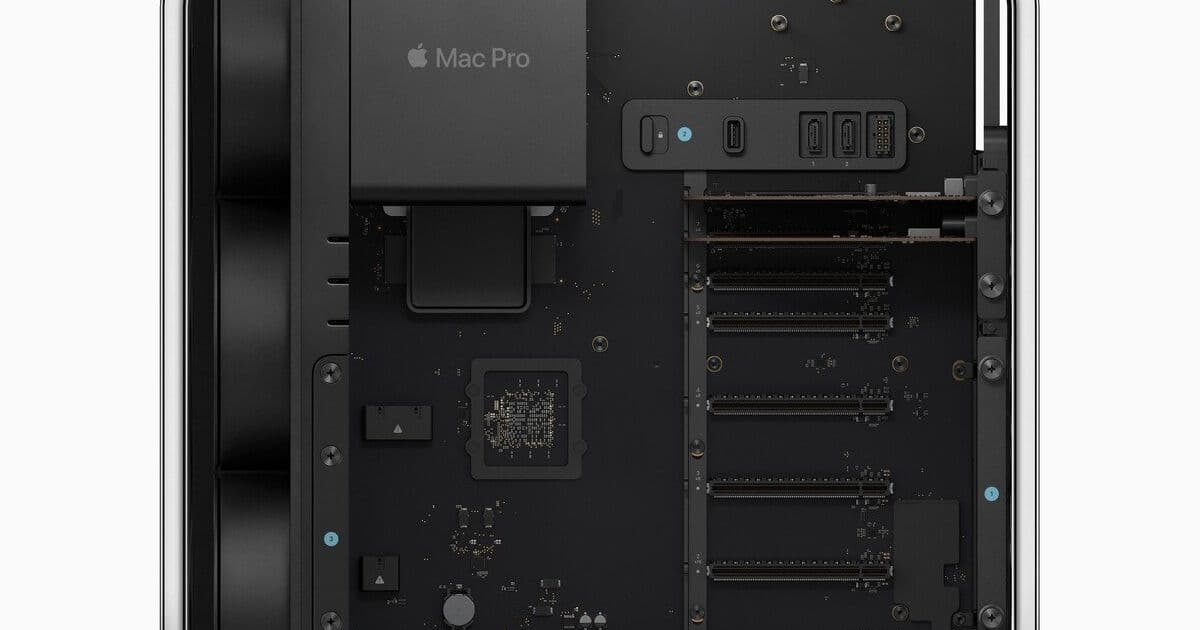
Apple has officially discontinued the Mac Pro, leaving the Mac Studio as its sole high-end desktop offering with the M3 Ultra chip leading the charge.
Apple has officially discontinued the Mac Pro, marking the end of an era for the company's most expandable desktop computer. The decision comes nearly three years after the last Mac Pro refresh with an M2 Ultra SoC, and confirms what many industry watchers had suspected: Apple is putting all its high-end desktop eggs in the Mac Studio basket.
The move isn't entirely surprising given Apple's strategic direction. The Mac Studio, particularly its latest M3 Ultra iteration, has effectively cannibalized the Mac Pro's market position. With the M3 Ultra chip exclusive to the Mac Studio, Apple has created a clear performance hierarchy that leaves little room for a separate high-end desktop SKU.
For power users, the transition might actually represent an upgrade rather than a downgrade. The M3 Ultra-based Mac Studio already supports up to 16 TB of storage and 512 GB of unified memory—specifications that rival or exceed what the Mac Pro offered. Given Apple's trajectory with its silicon development, future Mac Studio iterations will likely push these boundaries even further, especially as Ultra-branded chips continue to evolve.
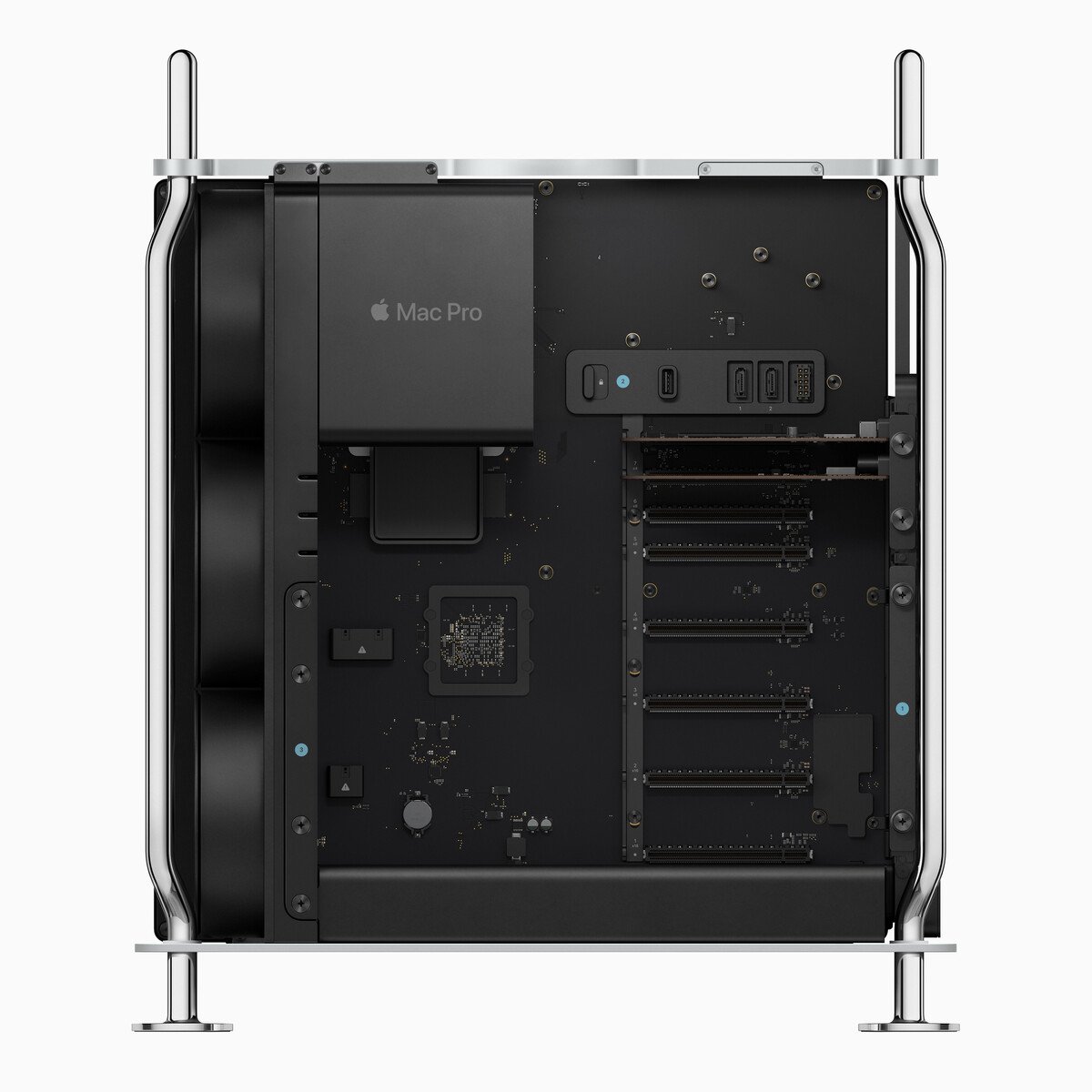
The Mac Pro's demise reveals some uncomfortable truths about Apple's desktop strategy. Despite featuring fully-functional PCIe slots, the last Mac Pro generation notably lacked support for external GPUs—a baffling omission for a machine marketed to professionals who might need specialized hardware acceleration. The handful of expansion cards it did support rarely justified its premium price point, especially when compared to more flexible alternatives.
Then there were the infamous wheels—a $400 option that became a symbol of the Mac Pro's questionable value proposition. When your most memorable feature is an expensive wheel upgrade, you've got a perception problem.
Apple's transition to in-house silicon likely accelerated the Mac Pro's obsolescence. The company's chip design philosophy emphasizes integration and optimization over raw expandability. By controlling both hardware and software, Apple can extract maximum performance from its SoCs without relying on third-party components or expansion cards.
For professionals who absolutely need PCIe expansion, Apple's decision leaves a gap in the market. However, the company seems confident that its integrated approach, combined with the Mac Studio's impressive specifications, can satisfy even demanding workflows. The question now is whether this consolidation will hold as Apple's silicon continues to push performance boundaries.
The Mac Pro's discontinuation represents more than just a product line change—it's a philosophical statement about where Apple sees the future of high-end computing. In a world of increasingly integrated, SoC-driven machines, the traditional tower PC with its promise of endless expandability may indeed be heading toward obsolescence.
For now, anyone seeking Apple's absolute best desktop performance will need to look to the Mac Studio. Whether that's a temporary arrangement or a permanent shift in Apple's product strategy remains to be seen, but one thing is clear: the Mac Pro as we knew it has taken its final bow.
Comments
Please log in or register to join the discussion