Apple is reportedly testing four different AI glasses designs with rectangular and oval frames, multiple colors, and a vertically oriented camera system, marking the company's first major push into wearable AI devices.
Apple is developing its first smart glasses with four distinct design prototypes currently in testing, according to sources familiar with the project. The devices feature both rectangular and oval frame styles, multiple color options, and a unique camera system with vertically oriented oval lenses.
Design Specifications and Features
The testing phase includes prototypes with different frame geometries to appeal to various consumer preferences. The rectangular frames offer a more traditional eyewear look, while the oval designs provide a softer aesthetic. Both styles incorporate the vertically oriented camera system, which appears to be a key differentiator from existing smart glasses on the market.
The vertically aligned oval lenses suggest Apple is prioritizing specific optical requirements for its AI functionality, possibly related to depth sensing, spatial awareness, or augmented reality applications. The multiple color options indicate Apple is considering personalization as a key selling point for the consumer market.
Context in Apple's Wearable Strategy
This development comes as Apple continues to expand its wearable technology portfolio beyond the Apple Watch and AirPods. The smart glasses represent a significant step into augmented reality and AI-powered wearable computing, potentially positioning Apple to compete with Meta's Ray-Ban smart glasses and other emerging AI wearables.
The vertically oriented camera design is particularly noteworthy, as it suggests Apple is focusing on specific use cases that require precise spatial tracking or environmental understanding. This could include applications for navigation, object recognition, or real-time translation services.
Market Implications
Apple's entry into the smart glasses market could accelerate adoption of AI-powered eyewear, similar to how the iPhone transformed the smartphone industry. The company's track record of integrating hardware and software seamlessly suggests these glasses could offer a more polished user experience than current offerings.
However, challenges remain around battery life, processing power, and user acceptance of cameras on everyday eyewear. Apple will need to address privacy concerns and demonstrate clear value propositions to convince consumers to adopt smart glasses as part of their daily technology ecosystem.
Related Developments
The smart glasses project is separate from Apple's ongoing work on foldable iPhone designs, which was also mentioned in the same report. This indicates Apple is pursuing multiple form factor innovations simultaneously as it seeks to maintain its competitive edge in the consumer electronics market.
The timing of this development aligns with broader industry trends toward AI-powered wearable devices, as companies race to integrate advanced AI capabilities into everyday objects and accessories.
[IMAGE:1]
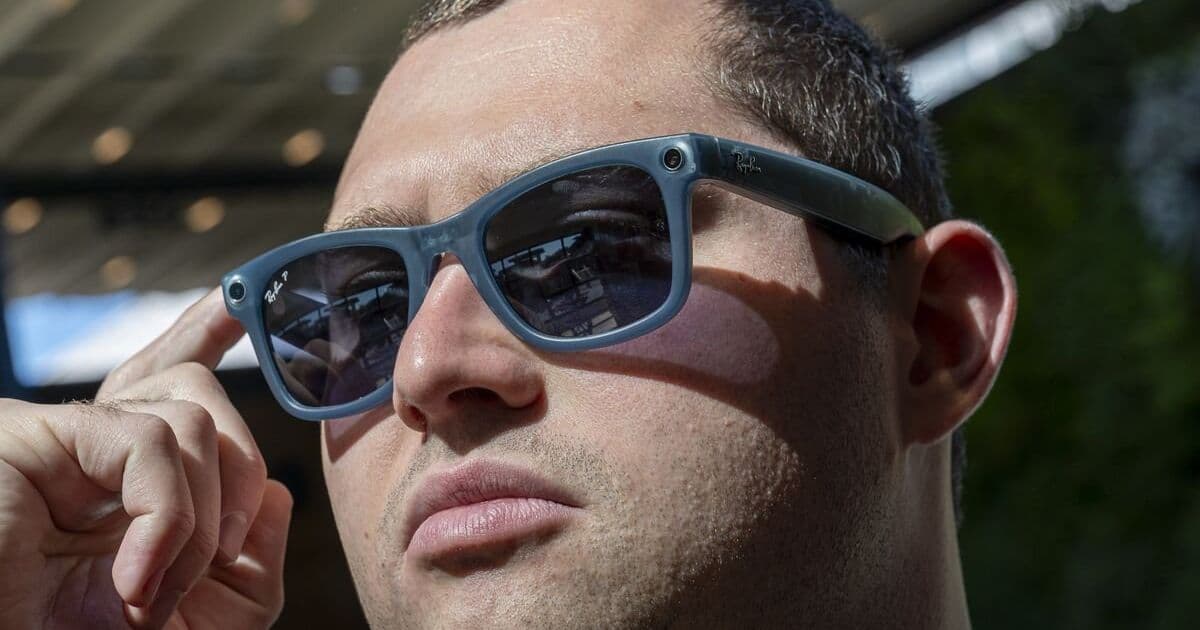
The featured image shows a conceptual rendering of what Apple's AI glasses might look like, though the actual prototypes in testing may differ significantly from this visualization.
Comments
Please log in or register to join the discussion