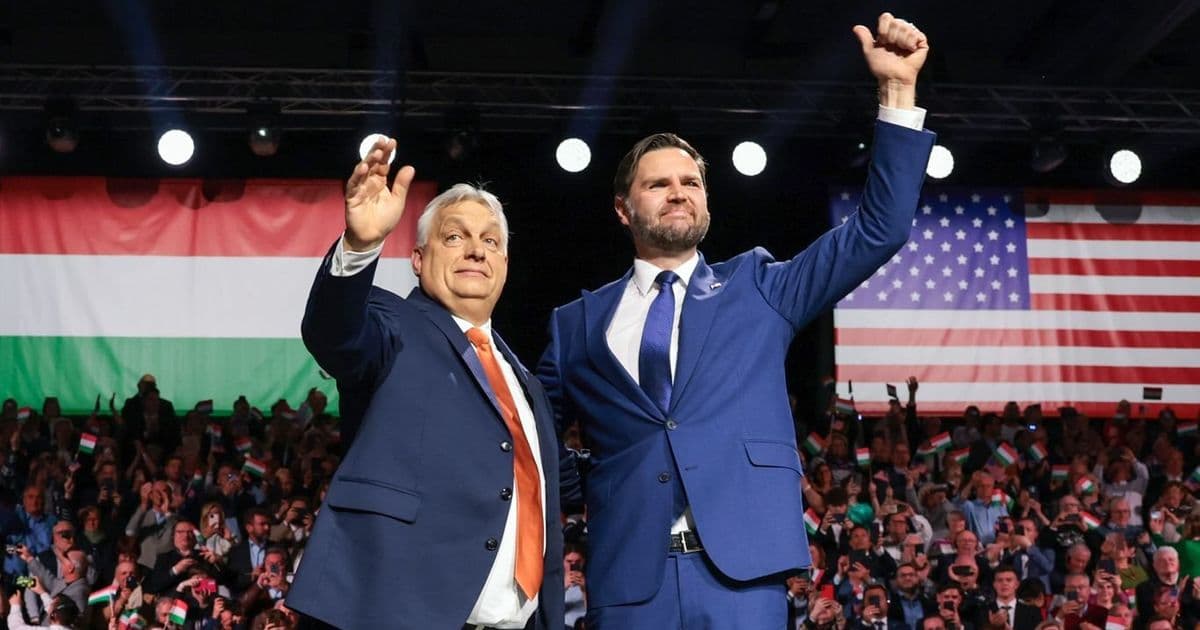
Viktor Orbán, one of Europe's longest-serving leaders and a key Trump ally, has lost Hungary's election after 16 years in power, marking a major shift in European politics.
In a stunning political upset, Hungarian Prime Minister Viktor Orbán has been defeated in the country's election, ending his 16-year grip on power. The result represents one of the most significant political earthquakes in Central Europe in recent years and deals a major blow to populist movements across the continent.
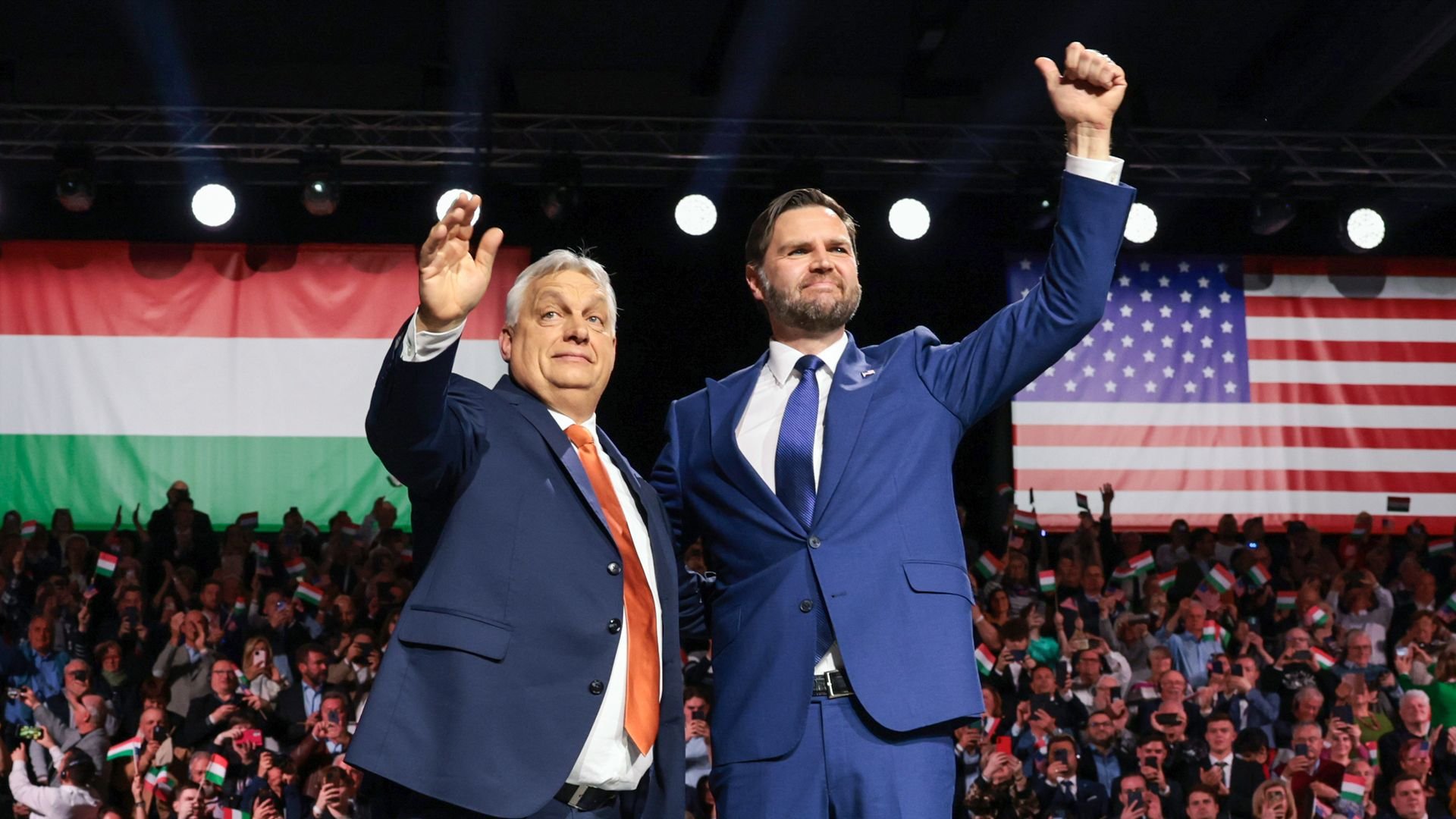
Orbán, who first came to power in 2010 after serving as prime minister from 1998 to 2002, had become one of Europe's most controversial leaders. His tenure was marked by a steady erosion of democratic institutions, attacks on press freedom, and a confrontational stance toward the European Union. The 60-year-old nationalist had cultivated close ties with former U.S. President Donald Trump, positioning himself as a key ally in Trump's orbit of populist leaders.
The election results show a decisive shift in Hungarian politics. With nearly all votes counted, Orbán's Fidesz party has been defeated by a coalition of opposition parties that managed to unite despite deep ideological differences. The coalition, led by Péter Márki-Zay, a conservative mayor from Hódmezővásárhely, ran on a platform promising to restore democratic norms, strengthen the rule of law, and improve Hungary's relationship with the European Union.
This defeat is particularly significant given Orbán's reputation as a political mastermind. He had won four consecutive elections since 2010, each time securing supermajorities that allowed him to rewrite Hungary's constitution and reshape the country's political landscape. His ability to maintain power for so long, despite growing international criticism and domestic discontent, had made him a model for populist leaders worldwide.
The economic context of Orbán's defeat is crucial. While Hungary experienced significant economic growth during his tenure, with GDP per capita rising from about $12,000 in 2010 to over $19,000 by 2022, this growth was accompanied by increasing inequality and concerns about corruption. Orbán's government had relied heavily on EU funds, which accounted for about 4% of Hungary's GDP annually, but his frequent clashes with Brussels over rule-of-law issues had put these funds at risk.
Orbán's foreign policy, particularly his close relationship with Russia, also played a significant role in his defeat. As one of Vladimir Putin's closest allies in the EU, Orbán had consistently opposed EU sanctions on Russia and maintained energy ties with Moscow even as other European countries sought to reduce their dependence on Russian oil and gas. This stance became increasingly untenable as the war in Ukraine dragged on and public opinion in Hungary shifted.
The implications of this election extend far beyond Hungary's borders. Orbán had been a leading figure in what some called the "illiberal international," a network of populist and nationalist leaders who challenged traditional Western liberal democratic norms. His defeat could signal a broader shift away from populist politics in Europe, particularly as similar movements face challenges in other countries.
For the European Union, Orbán's departure represents a potential turning point. His government had been at odds with Brussels for years over issues ranging from judicial independence to media freedom to LGBTQ+ rights. The new Hungarian government is expected to pursue a more cooperative relationship with the EU, potentially unlocking billions in frozen funds and easing tensions within the bloc.
The United States also stands to see significant changes in its relationship with Hungary. Under Orbán, Hungary had positioned itself as a critic of U.S. foreign policy and a defender of traditional values against what Orbán called "liberal imperialism." The new government is likely to pursue a more conventional foreign policy, potentially strengthening Hungary's ties with NATO and the broader Western alliance.
However, the challenges facing Hungary's new leadership are substantial. Orbán's Fidesz party remains popular among a significant portion of the Hungarian electorate, and the opposition coalition that defeated him is an uneasy alliance of parties with widely divergent views on many issues. Maintaining unity while implementing promised reforms will be a delicate balancing act.
The election also raises questions about the future of right-wing populism in Europe. While Orbán's defeat is a significant setback for this movement, populist parties remain influential in many European countries. The outcome in Hungary may embolden opposition forces elsewhere but could also lead to a recalibration of populist strategies rather than their abandonment.
As Hungary enters this new political era, the world will be watching closely. The country's transition from Orbán's centralized, nationalist governance to a more pluralistic system will be closely scrutinized by both supporters and critics. The success or failure of this transition could have profound implications for the future of democracy in Central Europe and beyond.
The defeat of Viktor Orbán after 16 years in power represents more than just a change in government; it marks the end of an era in Hungarian politics and potentially in European politics more broadly. As the dust settles on this electoral earthquake, the challenge for Hungary's new leaders will be to build a stable, democratic future while addressing the deep divisions that Orbán's rule both reflected and exacerbated.
Comments
Please log in or register to join the discussion