A veteran Apple developer and author finds his 20-year-old Apple ID permanently disabled after a gift card redemption attempt, highlighting the risks of automated account security systems and the lack of human recourse for high-value customers.
Apple's Automated Security System Leaves Longtime Developer Locked Out of Digital Life
In an era where our digital identities are increasingly valuable and intertwined with our daily lives, what happens when a security system designed to protect us suddenly turns against us? This is the question facing a veteran Apple developer and author who, after nearly 30 years of loyalty to the ecosystem, found his Apple ID permanently disabled with no explanation and no apparent recourse.
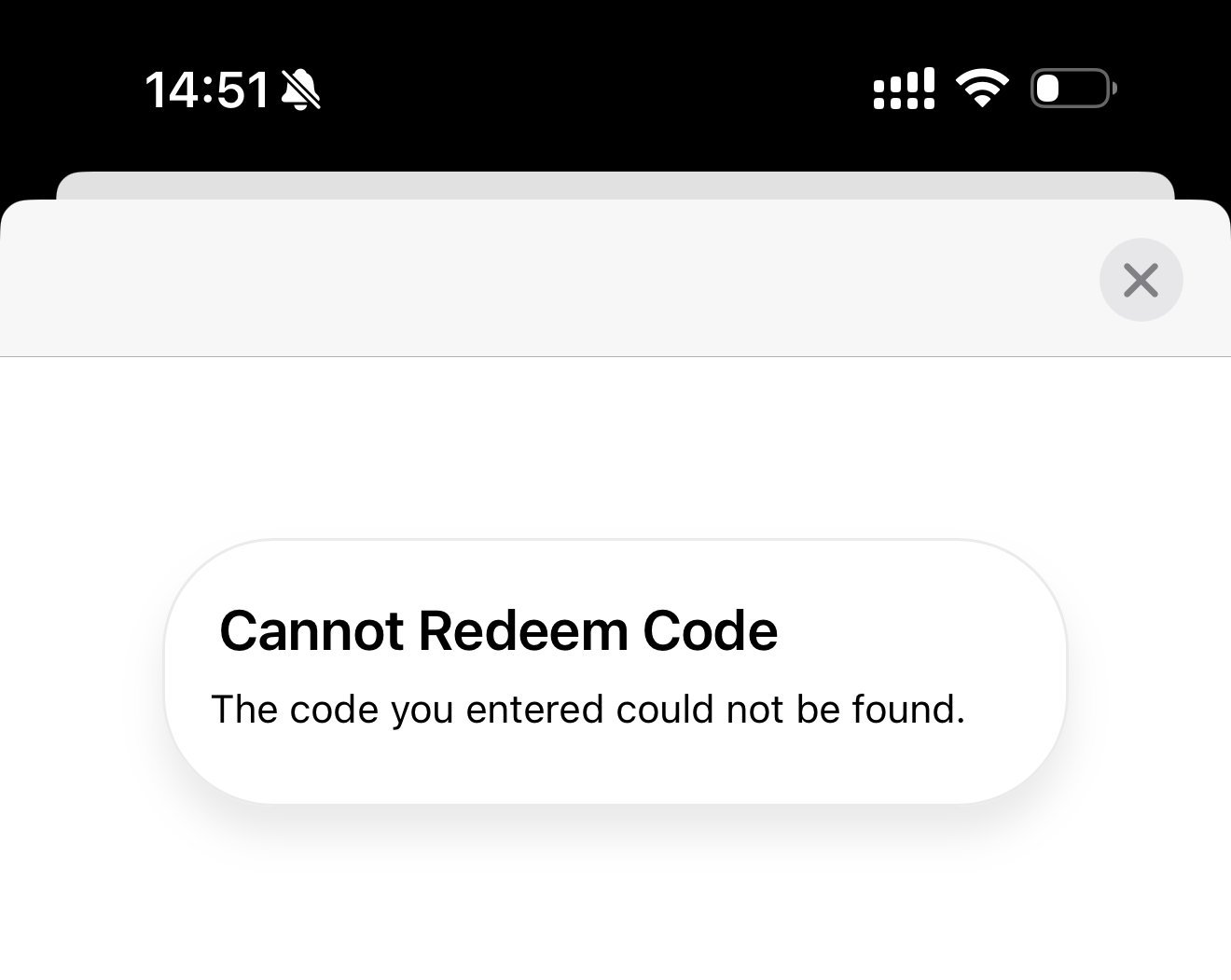
The incident began with what seemed like a routine transaction: attempting to redeem a $500 Apple Gift Card to pay for his 6TB iCloud+ storage plan. When the code failed, the vendor suggested the card might be compromised and agreed to reissue it. Shortly after, the developer's account was locked.
The Digital Identity Crisis
For many users, an Apple ID is more than just an email address—it's the core of their digital identity. In this case, the disabled account held terabytes of family photos, years of message history, and served as the key to syncing work across the ecosystem.
"I have been locked out of my digital life with no explanation and no recourse," the developer wrote in his account. "After nearly 30 years as a loyal customer, authoring technical books on Apple's own programming languages... and spending over tens of thousands of dollars on devices..."
The developer's account now displays a message indicating it was "closed in accordance with the Apple Media Services Terms and Conditions." This seemingly bureaucratic phrase belies the catastrophic consequences for a user deeply embedded in the Apple ecosystem.
The Ripple Effect of Account Lockdown
The damage extends far beyond being unable to access iCloud. With the account disabled, the developer's iPhone, iPad, Watch, and Macs cannot sync or update properly. He's lost access to thousands of dollars in purchased software and media, and his devices have effectively been "bricked" despite their physical functionality.
Even more problematic are the cascading failures across Apple's services:
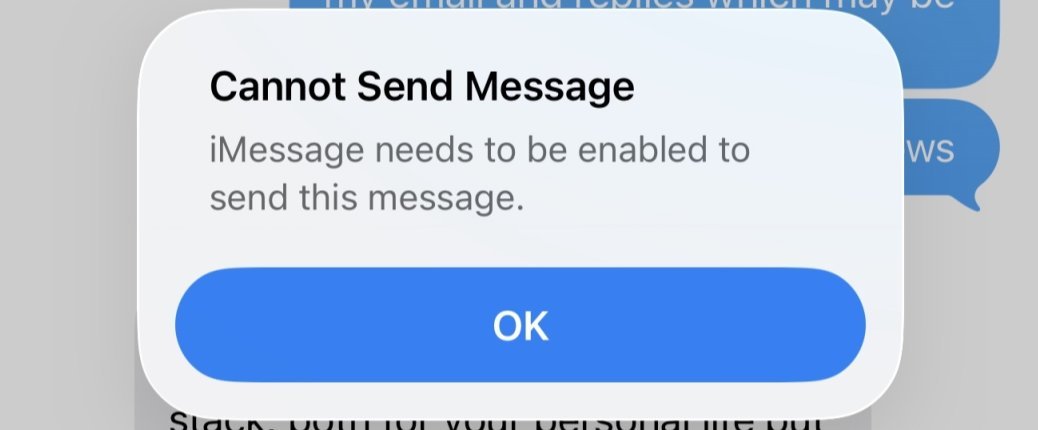
- iMessage automatically signed out and cannot be reactivated
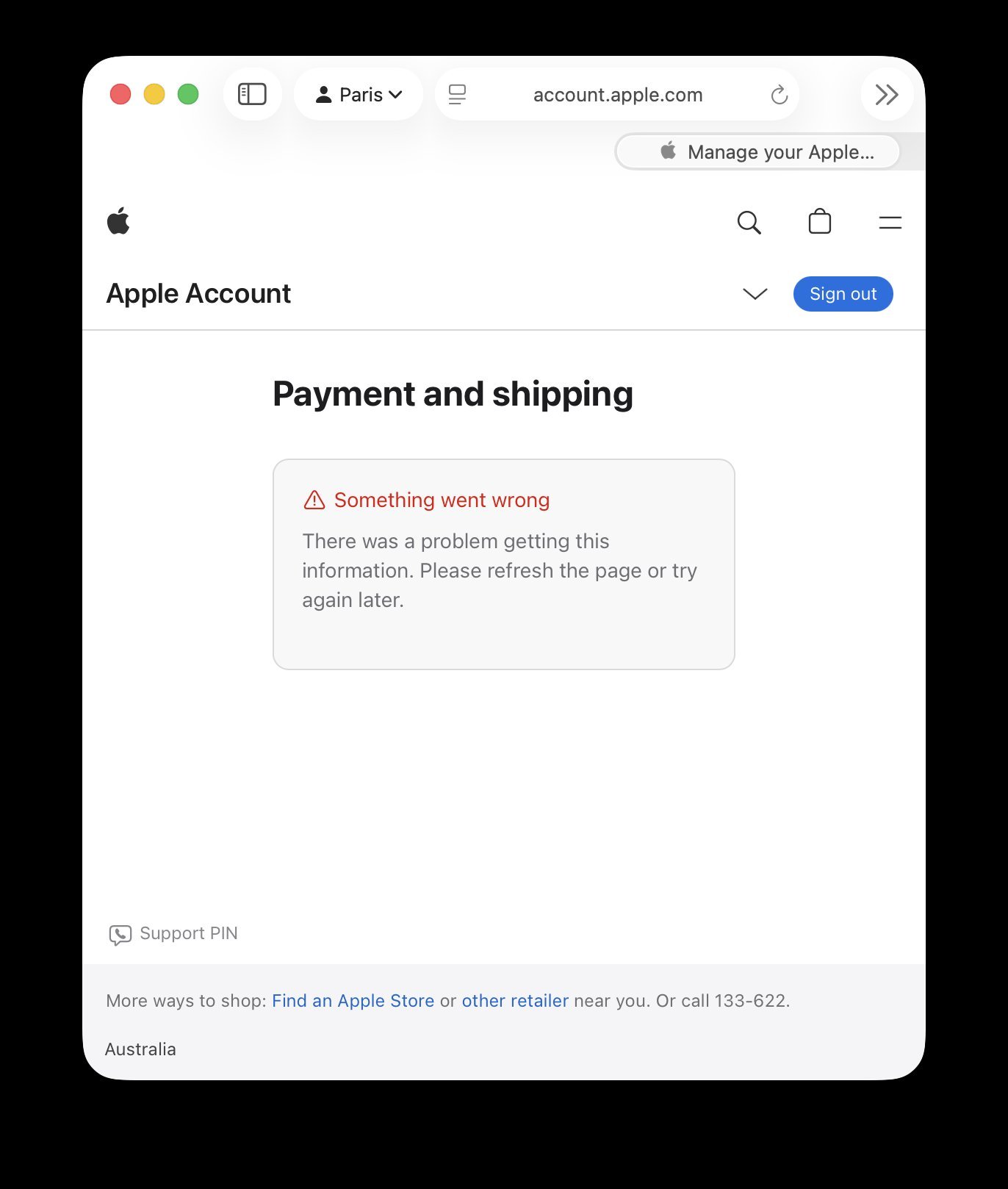
- The developer cannot sign out of the blocked iCloud account because the sign-out API is inaccessible
- Apple's "Secure File Transfer" system, which requires an Apple ID login, is unusable
- Attempts to download iCloud Photos result in authentication errors
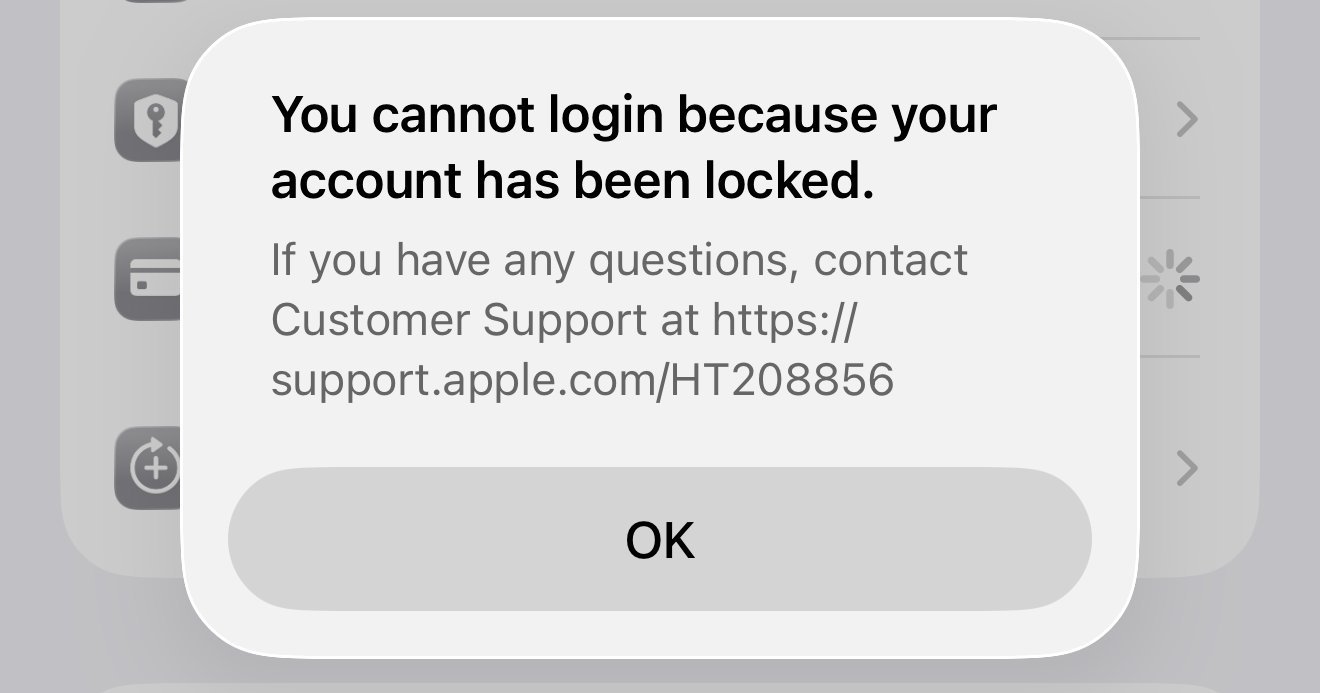
Most frustratingly, the developer notes that "most of the ways Apple has suggested seeking help from them involve signing in to an Apple service to upload something, or communicate with them. This doesn't work as the account is locked."
The Support Black Hole
When the developer contacted Apple Support (Case ID: 102774292094), the experience was "terrifyingly dismissive." Support staff refused to provide specific details about why the account was banned or what terms were violated.
When the developer requested escalation to Executive Customer Relations, explaining that he would lose the ability to do his job and his devices were becoming useless, he was told that "an additional escalation won't lead to a different outcome."
The "New Account" Trap
The most insulting aspect of the support experience was the official advice from a Senior Advisor: "create a new Apple account… and update the payment information."
This suggestion presents multiple technical and legal problems:
The Legal Catch: Apple's Terms and Conditions include provisions for "Termination of Access," which effectively revoked the developer's license to use Apple's services when the account was closed.
The Technical Trap: If the developer were to create a new account on his current devices—which are likely hardware-flagged due to the gift card error—the new account might be linked to the banned one and disabled for "circumventing security measures."
The Developer Risk: As a professional Apple developer who has written numerous books on Apple's programming languages and helped run one of the longest-running Apple developer events, attempting to "dodge" a ban by creating a new ID could lead to his Developer Program membership being permanently blacklisted.
The Human Element in Automated Security
This case highlights a growing tension in the tech industry: the balance between automated security systems and human oversight. While automation is essential for handling the scale of modern digital services, it can create situations where legitimate users are caught in security nets with no way to appeal.
In this case, the developer suspects "an automated fraud flag regarding the bad gift card triggered a nuclear response that frontline support cannot override." This suggests a system where security protocols are so rigid that they cannot accommodate edge cases or provide exceptions for long-term, high-value customers.
The Value of Digital Identity
The developer's situation underscores the increasing value—and risk—associated with digital identities. For many users, their Apple ID represents years of accumulated data, purchases, and connections that cannot be easily replicated or replaced.
This raises important questions for the industry:
- How can companies balance security with the need to provide human recourse for legitimate customers?
- What responsibilities do tech companies have to help users recover their digital identities when something goes wrong?
- How can systems be designed to recognize and accommodate the value of long-term customer relationships?
The Developer's Plea
In his account, the developer makes a simple but urgent request: "I am asking for a human at Apple to review this case." He suspects that an automated flag triggered a response that frontline support cannot override, and he's desperate to resolve the situation and restore his digital life.
This plea highlights a fundamental need in our increasingly digital world: the need for human oversight in systems that control our digital lives. As we continue to entrust more of our personal and professional data to tech companies, we must ensure that these systems include mechanisms for appeal, review, and human judgment.
The developer's situation is not just about an Apple ID—it's about the fundamental right to access and control one's own digital identity in a world where that identity is increasingly essential to participation in society.
Looking Forward
As digital identities become more valuable and more central to our lives, tech companies must develop better systems for handling account security that balance protection with accessibility. This includes:
- More transparent communication about account actions
- Clearer pathways for appeal and review
- Better training for support staff to handle complex cases
- Systems that can recognize and accommodate the value of long-term customer relationships
Without these improvements, we risk creating a digital world where users are at the mercy of automated systems with no recourse—a world where our digital identities can be taken away at any moment, for reasons we may never understand.
Comments
Please log in or register to join the discussion