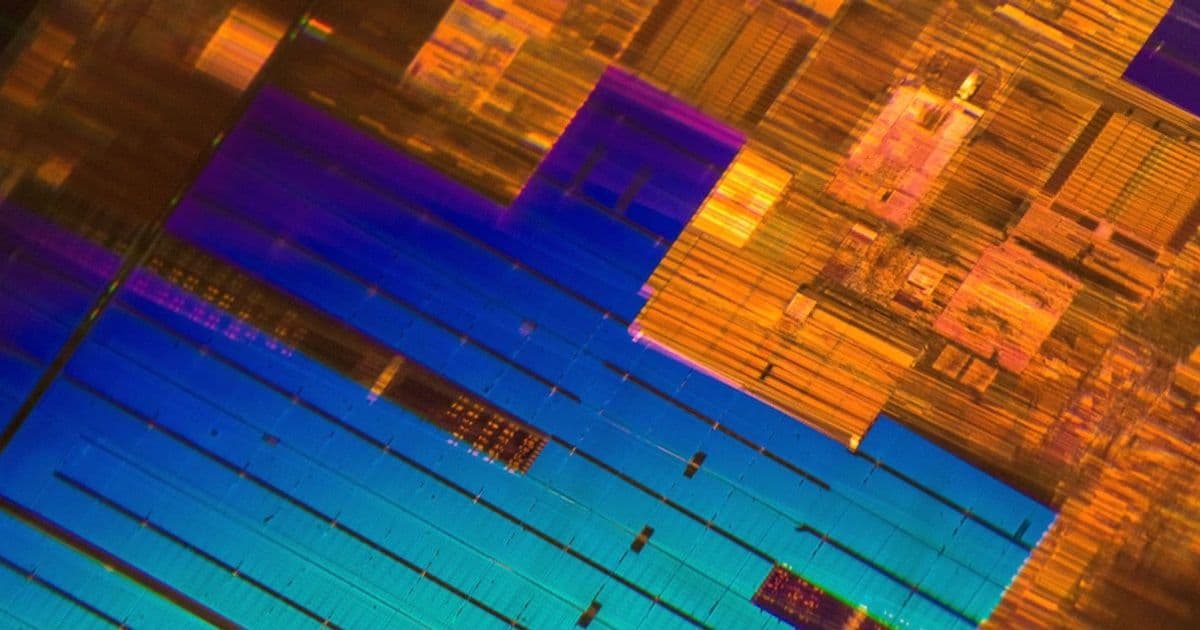
Apple has been repurposing chips that fail full‑spec testing for years, a practice known as binning that lets the company stretch yields across iPhones, iPads, Macs and accessories, saving hundreds of millions of dollars.
Apple’s Faulty Chips Power More Than One Product Line
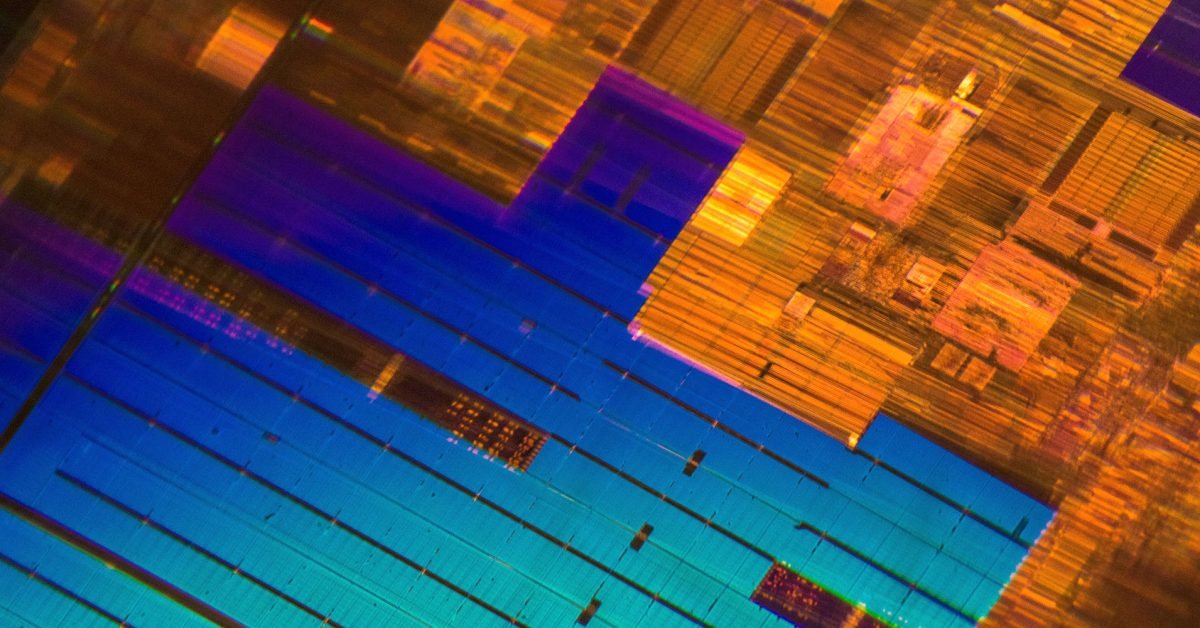
Apple’s supply chain has a hidden efficiency trick that most consumers never see: chip binning. When a silicon wafer is fabricated, not every die meets the exact performance target for a flagship device. Rather than discarding those partially‑functional pieces, Apple classifies them, trims the specification, and ships them in lower‑priced models or entirely different product families. A new investigation reveals that this practice stretches back to the original iPad and iPhone 4, and it continues to shape today’s lineup—from the MacBook Neo to the iPhone 16 e.
How Binning Works in Apple’s Production Flow
- Wafer Fabrication – TSMC (or Samsung for older designs) produces a large wafer containing hundreds of identical chip designs.
- Initial Test – Each die is probed for core count, clock speed, power draw, and defect locations.
- Yield Classification –
- Full‑spec dies meet every target and are earmarked for premium devices (e.g., the 8‑core GPU version of the M1).
- Partial‑spec dies fall short on one or more metrics. Apple may disable a GPU core, lower the boost clock, or accept a slightly higher leakage current.
- Re‑allocation – The partially‑spec chips are routed to products where the missing capability does not impact the user experience.
- Final Validation – Each re‑targeted device undergoes its own quality gate before shipping.
The key insight is that the cost of a silicon die is largely fixed once the wafer is processed. By extracting usable value from chips that would otherwise be scrapped, Apple improves overall yield and reduces the average cost per functional die.
Recent Examples Across the Portfolio
| Chip Generation | Original Target | Binned Destination | Reason for Re‑use |
|---|---|---|---|
| A15 Bionic | iPhone 13 series | iPhone SE (2022) | Slightly lower GPU core count acceptable for budget tier |
| A17 Pro | iPhone 15 Pro | iPad mini (2024) | Power envelope fits tablet use case |
| A18 | iPhone 16 Pro | MacBook Neo (2026) | One defective GPU core; still delivers adequate laptop graphics |
| A19 | iPhone 17 Pro | iPhone 16 e (2025) | Minor clock‑speed shortfall, acceptable for entry‑level model |
| A19 Pro | iPhone 17 Pro Max | iPhone Air (2026) | Slightly higher leakage, tolerable in a device with larger battery |
The MacBook Neo story illustrates the scale of the practice. Apple sourced A18 Pro dies that lost a single graphics core during testing. Those chips were redirected to the Neo’s base configuration, allowing the laptop to launch at a price point that undercut many Windows competitors. Demand surged so quickly that Apple exhausted its stock of binned chips and had to commission a dedicated production run, effectively turning a cost‑saving measure into a supply‑chain driver.
Historical Roots and Peripheral Cases
- Original iPad (2010) – Early A4 chips that drew more power than a handheld could tolerate were repurposed for the first‑generation Apple TV, where a constant power source made the excess draw irrelevant.
- iPhone 4 era – Certain S7 motion‑sensor dies that failed strict latency tests were shifted to the second‑generation HomePod, where the timing constraints are looser.
- MacBook Air (M1, 2020) – The now‑familiar 7‑core GPU variant emerged from the same binning logic: chips that could not reliably drive all eight cores were sold as the lower‑priced Air model.
These examples show that binning is not a one‑off hack but a systematic approach embedded in Apple’s design philosophy.
Why Binning Matters for Consumers
- Price Differentiation – By allocating lower‑spec silicon to entry‑level devices, Apple can keep the price gap between premium and budget models narrower without sacrificing profit margins.
- Environmental Impact – Re‑using partially functional dies reduces waste, a point Apple highlights in its sustainability reports.
- Supply‑Chain Flexibility – When demand spikes for a lower‑tier product, Apple can tap into its binned inventory rather than waiting for a new fab run, smoothing out production bottlenecks.
However, the practice also raises questions about transparency. Buyers of a “budget” iPhone may receive a chip that, under the hood, is a trimmed version of a flagship silicon. While performance remains within Apple’s advertised specifications, power efficiency and thermal behavior can differ subtly.
The Bigger Financial Picture
Analysts estimate that chip binning saves Apple hundreds of millions of dollars annually. The savings come from three sources:
- Higher effective yield – Turning a 70 % usable wafer into a 85 % usable one.
- Reduced material cost per device – The marginal cost of disabling a core is negligible compared to the cost of a full wafer.
- Lower inventory risk – Binned chips can be shifted between product lines as market demand changes, reducing the need for excess stock.
These efficiencies feed into Apple’s ability to maintain strong gross margins while still offering competitively priced devices in the mid‑range segment.
What to Expect Going Forward
- More cross‑product binning – As Apple’s silicon roadmap diversifies (e.g., custom AI accelerators), we can anticipate additional “mix‑and‑match” scenarios.
- Potential for consumer‑facing labeling – Regulatory pressure could push Apple to disclose whether a device contains a binned chip, similar to how automotive manufacturers label engine variants.
- Continued cost advantage – Competitors that lack a vertically integrated design‑to‑fab pipeline may find it harder to replicate Apple’s yield‑optimization strategy.
For now, the practice remains a quiet lever behind Apple’s pricing strategy, enabling the company to launch products like the MacBook Neo at a price that feels aggressive without eroding the bottom line.
Ben Lovejoy contributed the original reporting on the MacBook Neo’s use of binned A18 Pro chips. The analysis above expands on that work and places the practice in a broader historical context.

Comments
Please log in or register to join the discussion