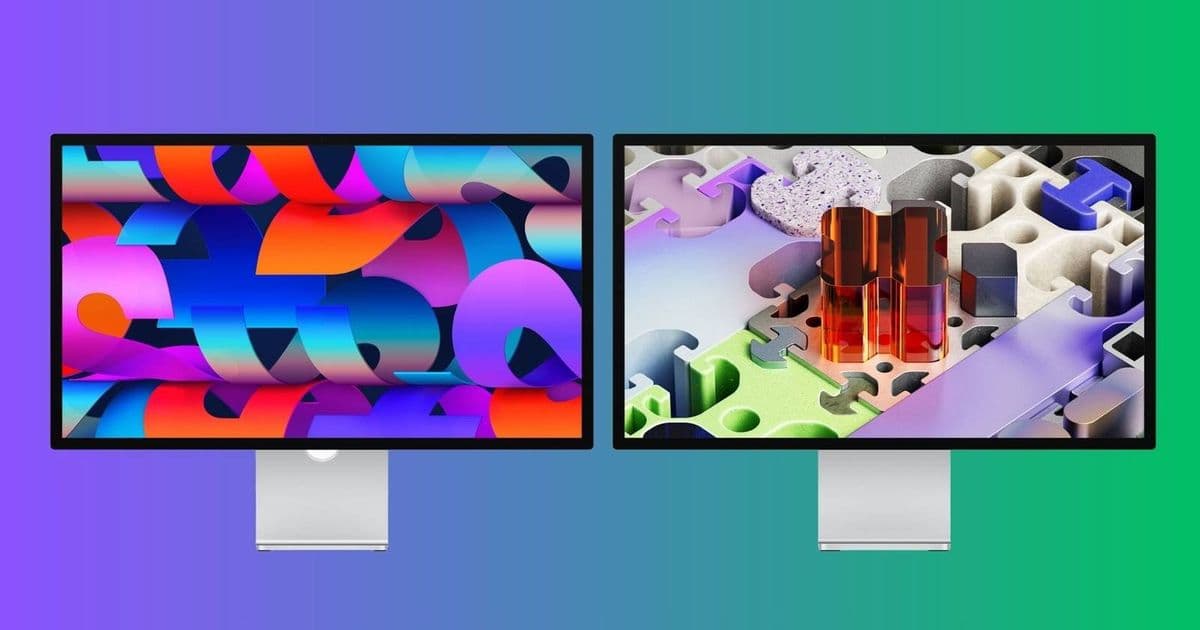
Apple refreshes its monitor lineup with the Studio Display XDR featuring Mini-LED backlighting and adaptive 120Hz refresh rate, while the standard Studio Display remains unchanged with a 60Hz panel despite launching in 2026.
Apple has unveiled updates to its Studio Display lineup, introducing the Studio Display XDR with significant display technology improvements while leaving the standard Studio Display largely unchanged. The new Studio Display XDR features Mini-LED backlighting with 2,304 dimming zones and an adaptive refresh rate that can shift from 47Hz to 120Hz when connected to M4 Macs or M5 iPad Pro devices.
Studio Display XDR: Major Display Upgrades
The Studio Display XDR represents Apple's most substantial monitor refresh in years. The Mini-LED backlighting system provides improved contrast ratios and deeper blacks compared to traditional LCD panels. With 2,304 local dimming zones, the display can achieve more precise backlight control, reducing blooming and improving HDR performance.
The adaptive refresh rate technology is particularly noteworthy. When paired with compatible Apple silicon devices, the display can dynamically adjust its refresh rate between 47Hz and 120Hz based on content being displayed. This range allows for smoother scrolling and more responsive interactions while potentially saving power during static content viewing.
However, compatibility appears limited. Given the original Studio Display's restricted Windows 11 support, it's unlikely that non-Apple devices will be able to utilize the adaptive refresh rate features or higher refresh rates. This continues Apple's strategy of tightly coupling its display technology with its own hardware ecosystem.
Standard Studio Display: Stuck in the Past
Perhaps more surprising is that the standard Studio Display remains unchanged at its core, still featuring a 60Hz refresh rate. In 2026, this feels particularly dated for a premium monitor, especially one positioned as a high-end option for creative professionals and power users.
The panel maintains its 5K resolution at 5,120 × 2,880 pixels, which is certainly impressive from a pixel density perspective. However, the lack of any refresh rate improvement means the display will continue to feel less responsive compared to modern alternatives that offer 90Hz, 120Hz, or even higher refresh rates.
Shared Features Across Both Models
Both the Studio Display XDR and standard Studio Display share several features:
- 5,120 × 2,880 pixel resolution
- 12-megapixel Center Stage camera with Desk View support
- Six-speaker audio system with three microphones
- Two Thunderbolt 5 ports and two USB-C ports
- Upgraded 140W upstream charging port for fast charging MacBook Pro laptops
The camera system has been updated to support Desk View, which provides an overhead view of your desk space during video calls. This feature, previously available on some iPad models, could be particularly useful for creators and professionals who want to share physical documents or objects during meetings.
Pricing and Availability
Pre-orders begin March 4th, with shipping starting March 11th:
- Studio Display XDR: $3,300
- Standard Studio Display: $1,600
These prices position the Studio Display XDR as a premium offering, competing with professional-grade monitors from Dell, LG, and other manufacturers. The standard Studio Display remains at its previous price point, though its aging specifications make it a tougher sell in today's market.
Context in Apple's Product Ecosystem
This monitor refresh comes alongside Apple's broader product announcements, including the M5 Pro and Max MacBook Pro, M5 MacBook Air, M4 iPad Air, and iPhone 17e. The timing suggests Apple is positioning these displays as ideal companions for its latest Apple silicon devices.
The continued separation between the XDR and standard models reflects Apple's tiered approach to its product lineup. While the XDR gets cutting-edge display technology, the standard model appears to be maintained primarily for users who want the Apple Studio Display aesthetic and ecosystem integration without the premium price tag.
For creative professionals and power users who have been waiting for a display refresh, the Studio Display XDR offers compelling upgrades in display quality and responsiveness. However, those considering the standard model might want to evaluate whether its aging specifications justify the $1,600 price in a market where 120Hz+ displays are increasingly common even at lower price points.
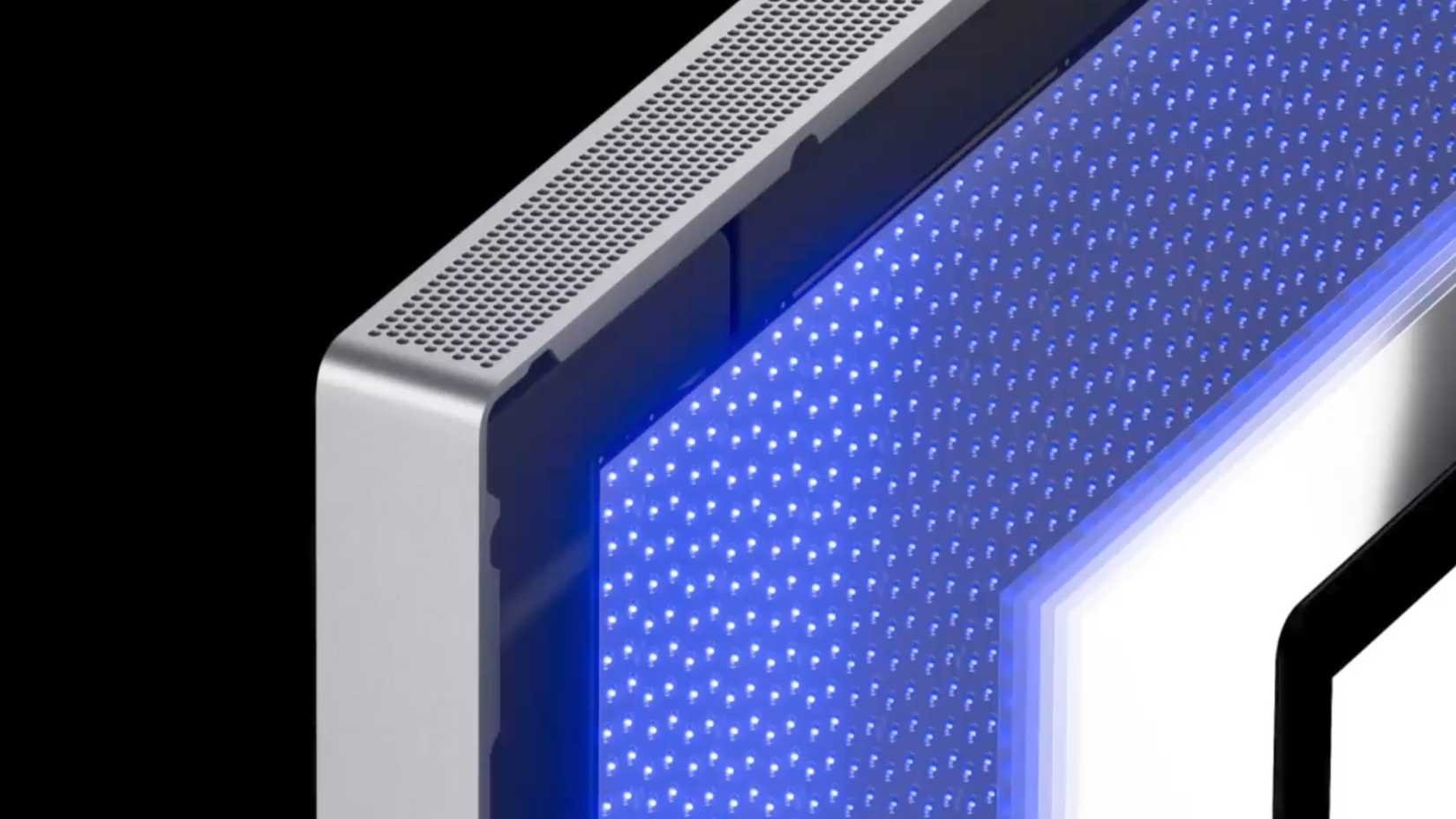
The Studio Display XDR's mini LED screen represents Apple's commitment to advancing display technology, even as the standard model remains unchanged.
Comments
Please log in or register to join the discussion