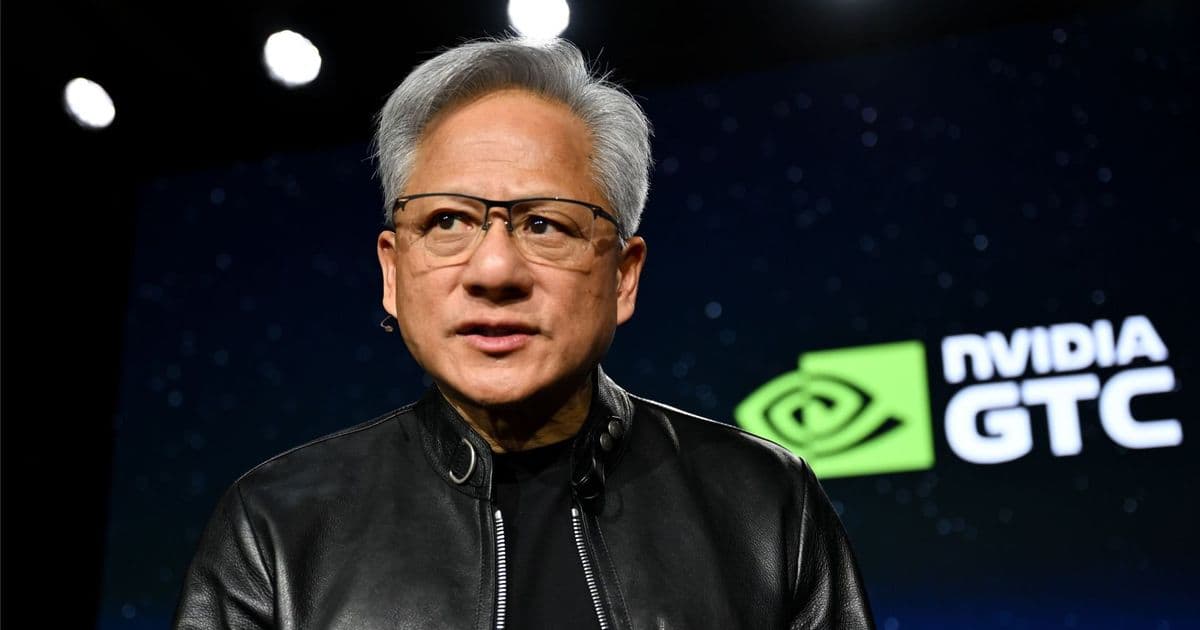
Nvidia CEO Jensen Huang pushed back forcefully against arguments that selling AI chips to China threatens U.S. national security, arguing that restricting access would only push Chinese AI development outside the American technology ecosystem.
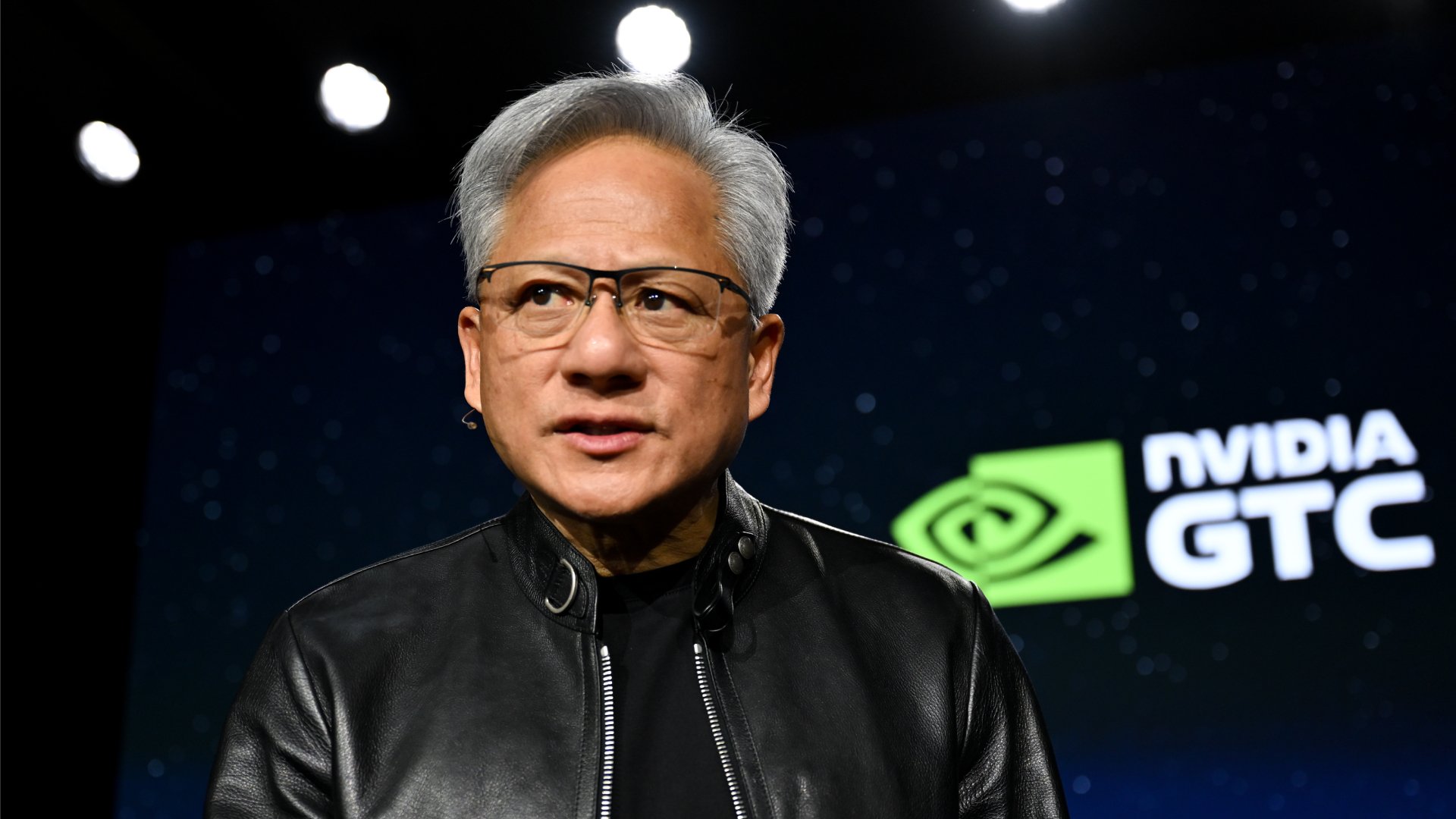
Nvidia CEO Jensen Huang found himself in a heated exchange during a recent podcast with Dwarkesh Patel, defending his company's decision to continue selling AI chips to China despite growing concerns about national security and technological competition.
During the conversation, which you can watch in the embedded tweet below, Patel challenged Huang on whether providing Chinese companies with access to Nvidia's advanced AI chips poses a threat to American interests. Patel cited Anthropic's Claude Mythos as an example, noting that the model had reportedly uncovered "thousands of zero-day vulnerabilities" across major operating systems and web browsers.
Huang's response was both measured and forceful. "You're not talking to someone who woke up a loser," he said, pushing back against the premise that selling to China would inevitably lead to American technological defeat.
The National Security Debate
The core of Patel's argument centered on the potential for China to leverage massive amounts of compute power to develop cyber-offensive capabilities that could threaten U.S. security. He suggested that if China had access to the same level of computing resources that Nvidia provides to American companies, it could accelerate the development of advanced AI models with potential military applications.
Huang acknowledged the complexity of the issue but offered a nuanced counterpoint. He argued that China already has access to significant computing power and that restricting Nvidia's sales would not prevent Chinese AI development. Instead, it would simply push that development outside the American technology stack.
"We want to make sure that all the AI developers in the world are developing on the American tech stack," Huang explained. "It would be extremely foolish to create two ecosystems: the open-source ecosystem, and it only runs on a foreign tech stack, and a closed ecosystem that runs on the American tech stack. I think that would be a horrible outcome for the United States."
The iPhone and Tesla Comparison
Patel raised another concern: the possibility that Chinese companies could eventually develop AI chips that match Nvidia's capabilities, potentially forcing Chinese AI companies to switch to domestic alternatives. He drew parallels to how Chinese companies have successfully competed with Apple's iPhone and Tesla's electric vehicles in their respective markets.
Huang dismissed this comparison as fundamentally flawed. "Computing is not like that," he said. "There's a reason why the x86 deal exists. There's a reason why ARM is so sticky. These ecosystems are hard to replace; it costs an enormous amount of time and energy, and most people don't want to do it."
He pointed to Nvidia's growing market share as evidence that competition in China hasn't diminished the company's position. "Our share is growing, not decreasing," Huang noted. "The premise that even if we competed in China, that we're going to lose that market anyways... You're not talking to somebody who woke up a loser."
The Five Layers of AI Technology
Huang articulated a broader perspective on the AI industry, breaking it down into five essential layers: energy, chips, infrastructure, models, and applications. He argued that focusing too narrowly on any single layer, particularly the model layer, misses the bigger picture.
"Why are you causing one layer of the AI industry to lose an entire market so that you could benefit from another layer of the AI industry?" Huang asked. "There are five layers, and every single layer has to succeed. The layer that has to succeed most is actually the AI applications. Why are you so fixated on that AI model? That one company? For what reason?"
The Broader Context
This debate comes against the backdrop of increasing tensions between the United States and China over technological supremacy. The U.S. government has implemented various export controls and restrictions on advanced semiconductor technology to China, citing national security concerns.
Nvidia has found itself at the center of this controversy, as its GPUs are essential for training advanced AI models. The company has had to navigate complex export regulations while maintaining its position as the dominant supplier of AI training hardware.
Huang's forceful defense of continued sales to China reflects both the company's business interests and his personal conviction that engagement, rather than isolation, is the better strategy for maintaining American technological leadership.
The Ecosystem Argument
The CEO's most compelling argument may be his emphasis on the importance of maintaining a unified global AI ecosystem built on American technology. By keeping Chinese developers within the American tech stack, Huang argues, the U.S. can better influence the development of AI standards, security practices, and ethical guidelines.
This perspective suggests that the real competition isn't just about selling chips, but about shaping the future of AI development itself. If Chinese AI development occurs entirely outside the American ecosystem, the U.S. loses influence over how that technology evolves and what standards it adopts.
Looking Forward
As AI continues to advance and become increasingly central to economic and military power, the debate over technology exports to China is likely to intensify. Nvidia's position as the leading supplier of AI training hardware makes it a key player in this geopolitical struggle.
Huang's passionate defense of continued engagement with the Chinese market, despite the risks, reflects a belief that American technological leadership is best maintained through competition and innovation rather than isolation and restriction.
The full podcast episode provides valuable insight into how one of the tech industry's most influential leaders views the complex intersection of business, technology, and geopolitics in the AI era.
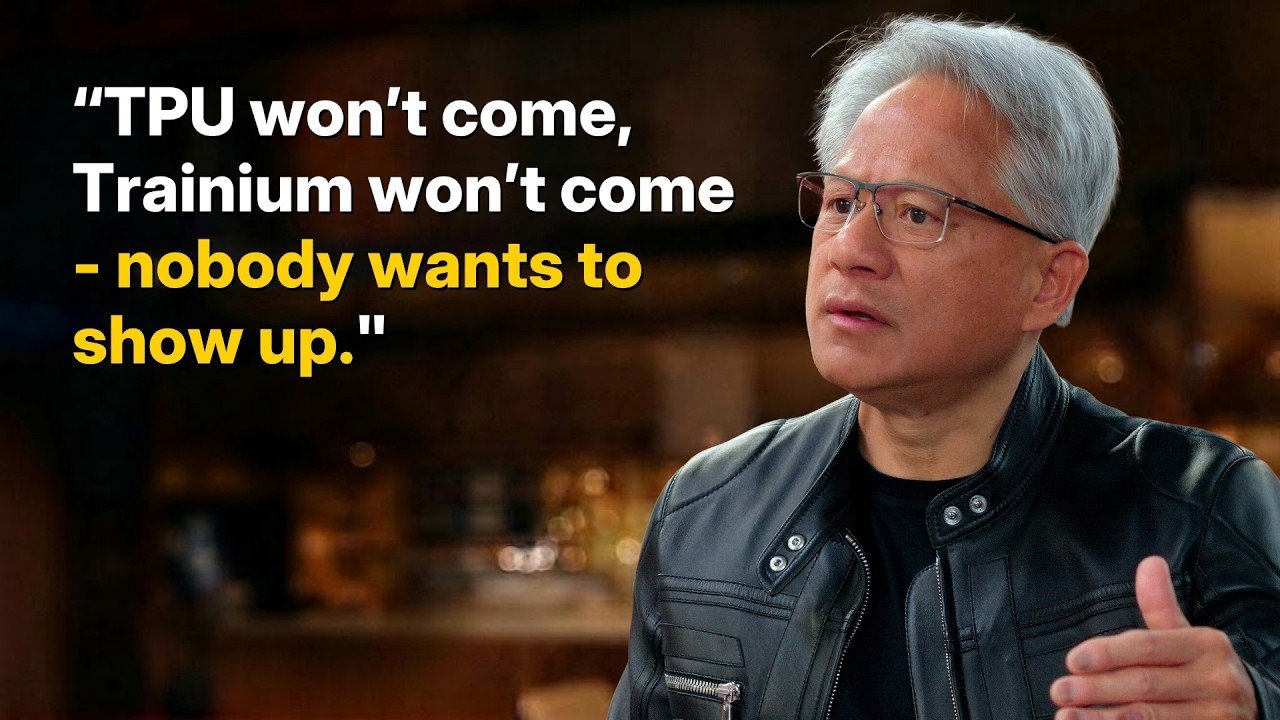
You can watch the complete podcast episode below to hear the full exchange and Huang's detailed arguments.
[embedded content]
As the AI race accelerates, the question of how to balance national security concerns with the benefits of global technological collaboration remains one of the most pressing challenges facing policymakers and industry leaders alike.
Comments
Please log in or register to join the discussion