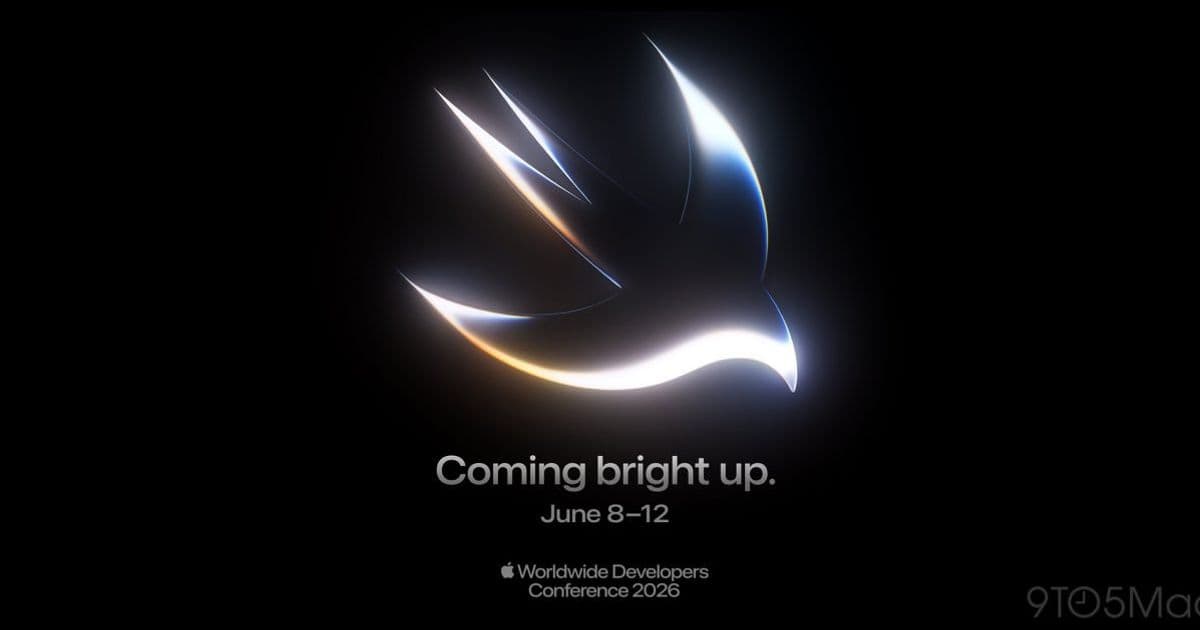
Apple has opened registration for WWDC 2026, confirming a June 8 keynote and a full schedule that will introduce iOS 27, iPadOS 27, watchOS 27, macOS 27, tvOS 27 and visionOS 27. The announcement outlines new SDK versions, platform requirements and the developer sessions that will shape migration paths for cross‑platform teams.
Apple Sends Press Invites for WWDC 26 – iOS 27, watchOS 27 and More on the Horizon
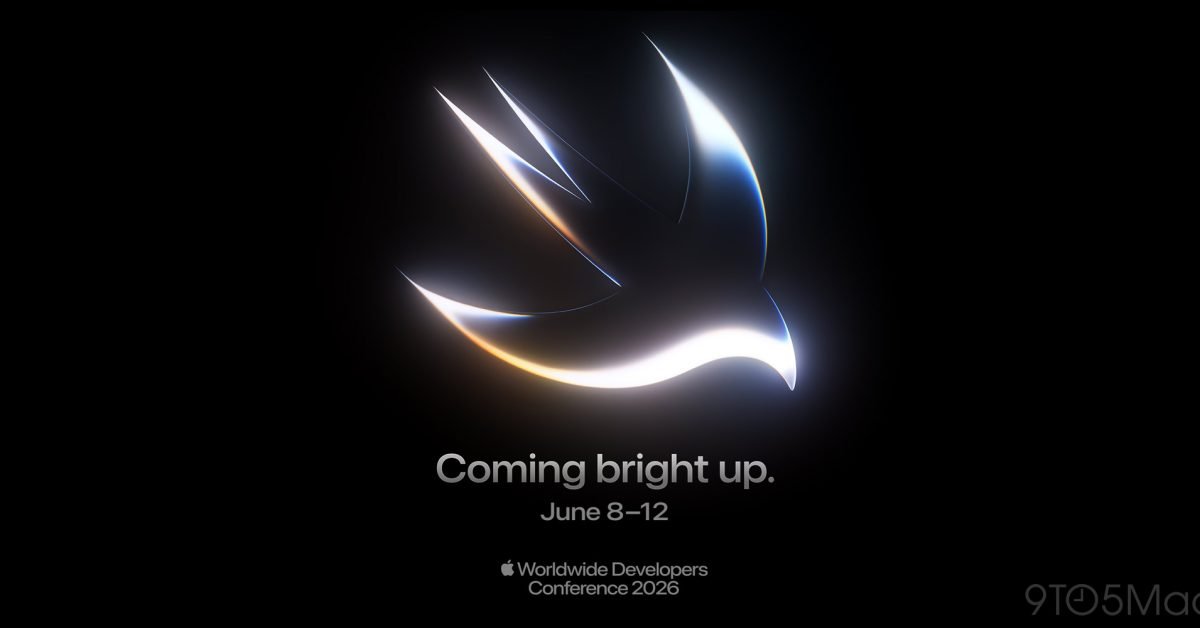
Apple officially opened registration for the 2026 Worldwide Developers Conference today. The event will kick off on June 8 with a keynote at 10 a.m. PT / 1 p.m. ET. The tagline for this year’s festivities is “Coming bright up.” As usual, the keynote will be streamed live on apple.com, the Apple TV app and the Apple YouTube channel, with on‑demand playback afterward.
Platform update schedule
| Time (PT) | Session | Focus |
|---|---|---|
| 10:00 | Apple Keynote | High‑level announcements, first look at iOS 27 and other OS releases |
| 13:00 | Platforms State of the Union | Deep dive into new APIs, SDK changes, and cross‑platform tooling |
| Throughout the week | Virtual Sessions, Guides, Group Labs | Hands‑on labs, Q&A with engineers, design award showcase |
All sessions will be available through the Apple Developer app, the developer website, YouTube and, for the first time, the Chinese platform bilibili.
Developer impact – what the new SDKs mean for you
iOS 27 / iPadOS 27
- SDK version: 27.0 (released with Xcode 16.2)
- Minimum OS requirement: iOS 15.0 / iPadOS 15.0 – older devices will still receive security updates but won’t see the new features.
- Key new APIs: Live Text 2 with on‑device translation, SwiftUI 5 with improved concurrency support, and Vision Pro Bridge for mixed‑reality overlays.
- Cross‑platform note: The new SwiftUI 5 framework unifies UI code across iOS, iPadOS, macOS and visionOS, making it easier for teams that maintain a single codebase.
watchOS 27
- SDK version: 27.0 (bundled in Xcode 16.2)
- Minimum hardware: Apple Watch Series 5 and later (watchOS 8‑compatible devices will not receive the update).
- Highlights: Complication Kit for richer watch faces, tighter integration with HealthKit 2, and a Swift Concurrency‑first programming model.
macOS 27
- SDK version: 27.0 (requires Xcode 16.2 or later)
- Supported hardware: Macs with Apple Silicon (M1 or newer) and Intel Macs released after 2018 (macOS 27 will drop support for older Intel models).
- New features: Metal 3 performance improvements, AppKit 2 for better window management, and SwiftUI 5 extensions for desktop‑only controls.
tvOS 27 and visionOS 27
- SDK version: 27.0 for both platforms.
- tvOS 27 adds GameController 2 support and a revamped TVMLKit for faster content rendering.
- visionOS 27 introduces Spatial Audio 2 APIs and a VisionKit framework that lets developers embed AR experiences directly into existing iOS apps.
Migration considerations for cross‑platform teams
- Upgrade Xcode first – All new SDKs are packaged with Xcode 16.2. Install the beta early to start testing against the 27.0 SDKs.
- Adopt Swift 5.9 – The latest Swift release ships with improved concurrency primitives that are required for the new SwiftUI 5 APIs. Updating your Swift toolchain avoids compile‑time warnings.
- Review deployment targets – Moving the minimum OS version to iOS 15/ watchOS 9 will drop a small percentage of legacy users, but it unlocks the new APIs. Use conditional compilation (
#available) to keep a fallback path for older devices. - Leverage SwiftUI’s multi‑platform view hierarchy – With SwiftUI 5 you can share a single view file across iOS, iPadOS, macOS and visionOS. Refactor platform‑specific code into separate extensions rather than duplicating whole view structs.
- Test on Apple Silicon – macOS 27 will no longer support Intel‑only Macs older than 2018. Ensure your CI pipeline includes Apple Silicon runners, or use the new Rosetta 2‑compatible build settings for temporary compatibility.
- Use Group Labs – The WWDC 26 schedule lists several labs focused on Swift Concurrency and VisionKit. Register early to get direct feedback from Apple engineers on migration pain points.
Migration roadmap example
| Week | Goal |
|---|---|
| 1‑2 | Install Xcode 16.2 beta, run unit tests against the 27.0 SDKs |
| 3‑4 | Update Swift version, refactor shared UI to SwiftUI 5, add #available guards |
| 5‑6 | Build and test watchOS 27 watch faces using Complication Kit |
| 7‑8 | Integrate VisionKit into iOS app for AR preview, run on Vision Pro prototype |
| 9‑10 | Submit beta builds to TestFlight, collect feedback from users on older OS versions |
| 11‑12 | Finalize release notes, ship App Store updates aligned with WWDC 27 launch |
Following a structured timeline helps keep the workload manageable, especially for teams that ship a single binary across iOS, iPadOS, macOS and visionOS.
What to watch during the WWDC week
- Keynote (June 8, 10 a.m. PT) – Expect the official rollout of iOS 27 and the new SDKs.
- Platforms State of the Union (June 8, 1 p.m. PT) – Deep dive on SwiftUI 5, Swift Concurrency enhancements and Vision Pro integration.
- Group Labs – Sessions titled “Modernizing your codebase for SwiftUI 5” and “Building immersive experiences with VisionKit” will be especially relevant.
- Apple Design Award finalists – Review the showcased apps for practical examples of how the new APIs are being used.
Resources
- Official WWDC 26 invitation and schedule: Apple Press Release
- Xcode 16.2 download page: Xcode on the Mac App Store
- Swift 5.9 documentation: Swift.org
- VisionKit framework guide: VisionKit Documentation
- Apple Design Awards 2026 finalists: Design Awards page
Stay tuned for live coverage during the keynote and be ready to start testing the new SDKs as soon as they become available.
Comments
Please log in or register to join the discussion