
Apple announces plans to manufacture Mac Minis at its Houston facility, doubling the site's size as part of its $600 billion US commitment.
Apple has announced plans to begin manufacturing Mac Minis at its Houston, Texas facility later this year, marking a significant shift in the company's production strategy. The Mac Mini, Apple's compact desktop computer, will join AI servers as the second product line manufactured at the site, effectively doubling the facility's size.
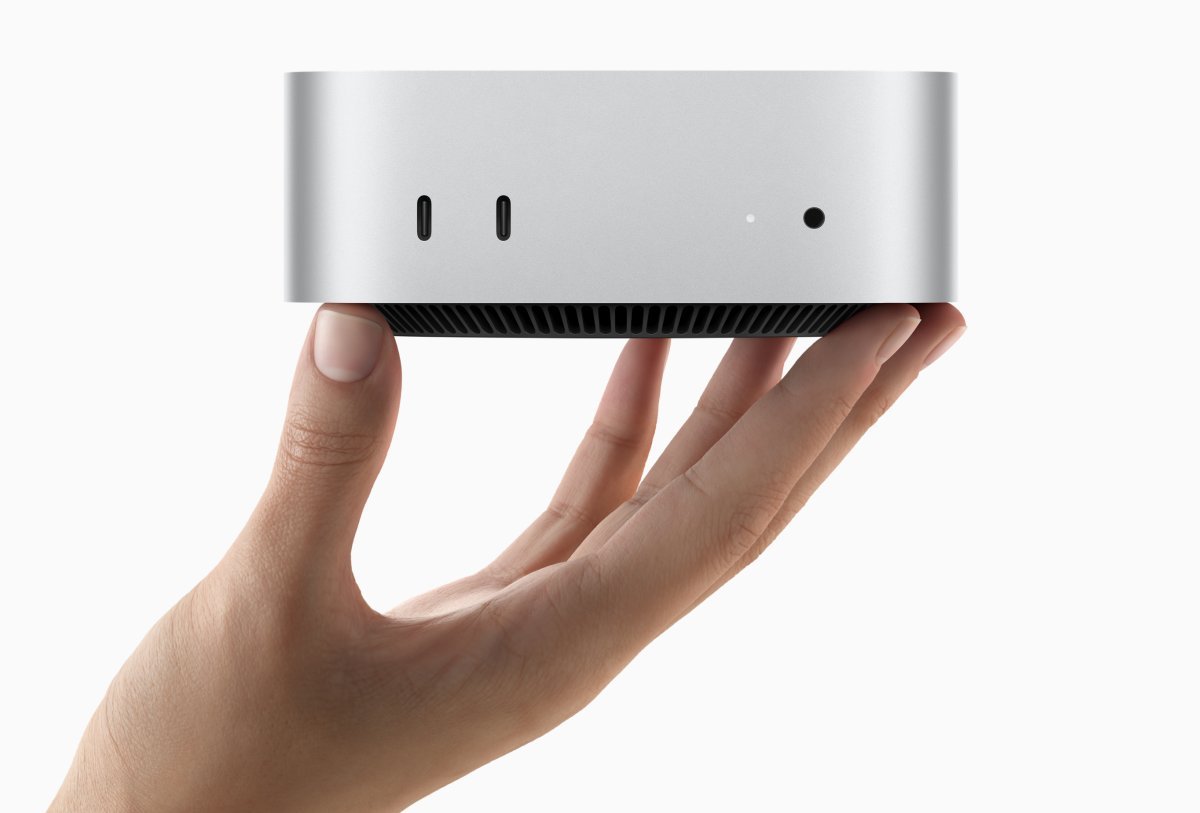
This move represents Apple's latest effort to increase domestic manufacturing as part of its broader $600 billion commitment to the United States announced in 2025. While the Mac Mini accounts for only a small fraction of Apple's overall hardware business—which includes iPhones, iPads, MacBooks, larger desktop computers, and various accessories—the decision carries symbolic and practical significance.
Most consumer electronics sold by US-based companies are currently manufactured overseas, primarily in Asia where labor costs are lower and specialized manufacturing expertise has been developed over decades. The shift to domestic production comes amid ongoing efforts by government officials to encourage companies to invest in US manufacturing capabilities.
The Houston facility already produces AI servers that Apple uses in its US data centers, demonstrating the company's existing infrastructure for domestic hardware production. By expanding this capability to include Mac Minis, Apple is building on its established foundation rather than starting from scratch.
However, the long-term impact of this investment remains uncertain. The United States faces significant challenges in competing with established manufacturing hubs, particularly in areas like semiconductor production where more than 90 percent of high-end chips are reportedly made in Taiwan. This concentration of expertise and infrastructure in other countries has developed over many years, making it difficult for US manufacturers to quickly match these capabilities.
The timing of Apple's announcement is particularly interesting given the current uncertainty surrounding trade policies. The Trump administration had used tariffs as a tool to encourage domestic manufacturing, promising exemptions for companies that committed to building more products in the United States. With the future of these tariffs unclear, it remains to be seen how committed Apple and other companies will remain to their domestic manufacturing plans.
For consumers, the shift to US manufacturing could potentially impact product availability, pricing, and delivery times. Domestic production might reduce shipping times and provide more flexibility in responding to market demands, though it could also lead to higher production costs that might be passed on to consumers.
The Mac Mini's compact size and relatively straightforward assembly process make it a logical starting point for Apple's US manufacturing expansion. Unlike more complex products like iPhones or MacBooks, the Mac Mini's design may be more amenable to domestic production without requiring extensive retooling or specialized equipment that might be more readily available overseas.
Industry analysts will be watching closely to see whether this represents a genuine long-term shift in Apple's manufacturing strategy or a more limited experiment. The success or failure of Mac Mini production in Houston could influence future decisions about expanding domestic manufacturing to other product lines.
This announcement also comes at a time when other tech companies are facing similar pressures and opportunities regarding domestic manufacturing. The semiconductor industry, in particular, has received significant attention and investment aimed at reducing dependence on foreign chip manufacturing.
As Apple moves forward with its Houston facility expansion, questions remain about workforce development, supply chain logistics, and the overall economics of domestic electronics manufacturing. The company will need to navigate these challenges while maintaining the quality and efficiency that customers expect from Apple products.
The Mac Mini production announcement represents a small but potentially significant step in the broader effort to rebuild domestic manufacturing capabilities in the United States. Whether it signals the beginning of a larger trend or remains an isolated case will likely depend on the economic viability and political support for such initiatives in the coming years.
Comments
Please log in or register to join the discussion