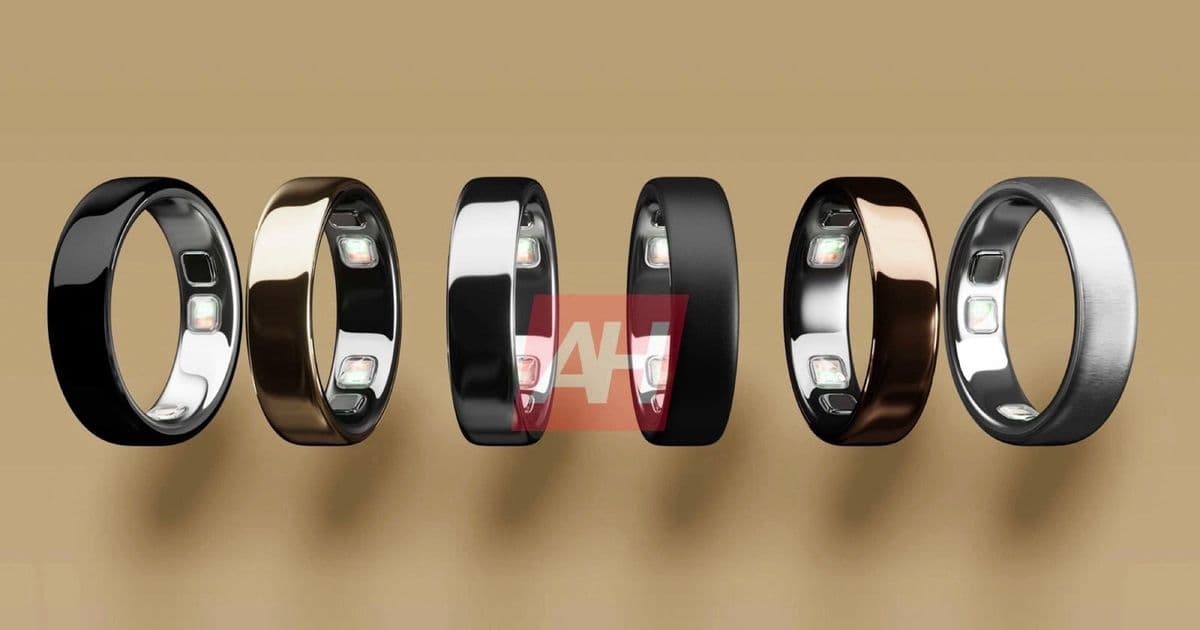
The upcoming Oura Ring 5 will launch on May 28 with a $50‑$150 price hike over the Ring 4. A slimmer chassis, larger sensors, longer battery life and an AI‑driven Oura Advisor are the headline improvements, while the core health‑tracking suite expands to more than 50 metrics.
The leak spotted on Dealabs confirms that Oura will unveil its fifth‑generation smart ring on Thursday, May 28, with shipments starting June 4. Two price tiers are listed:
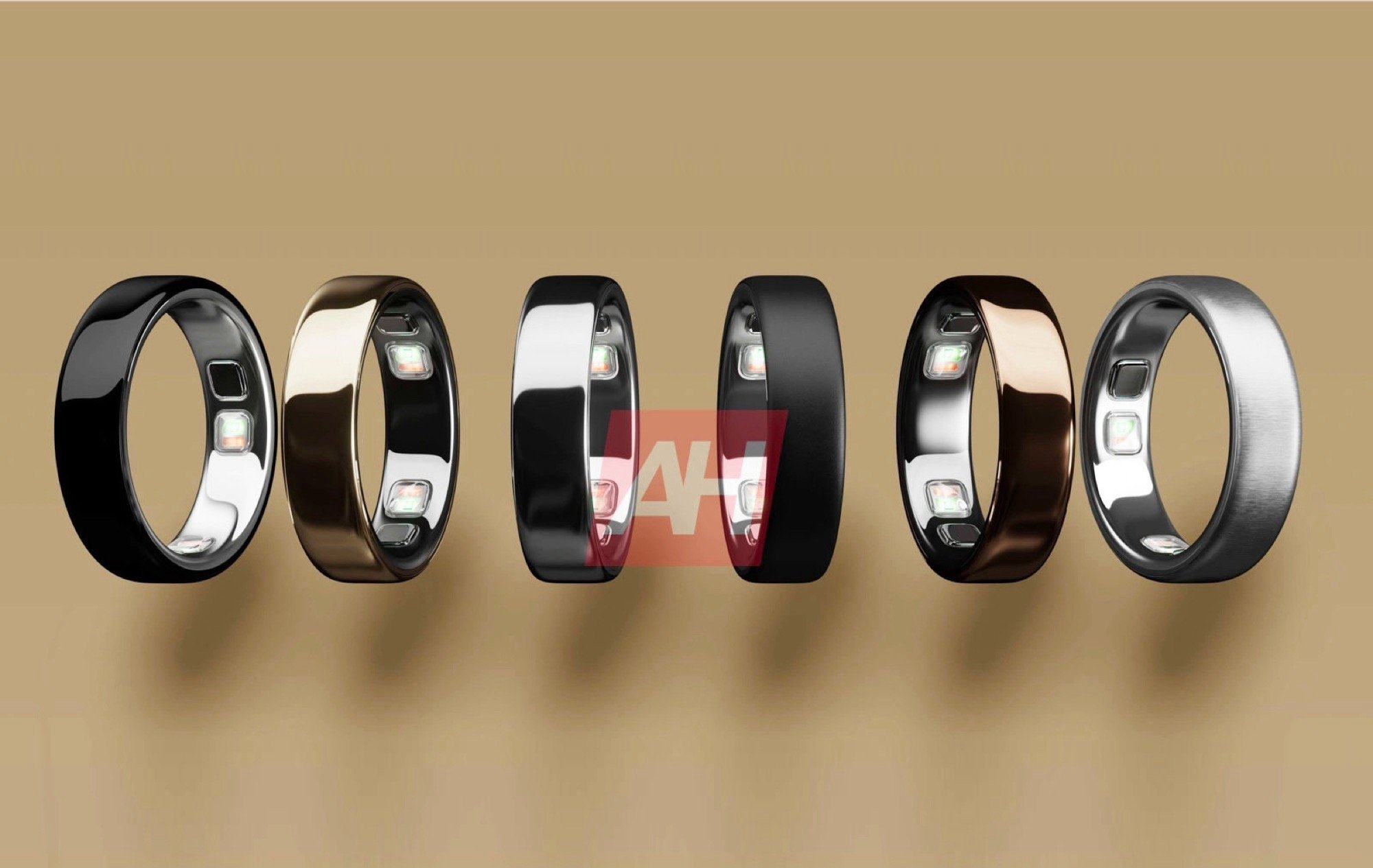
- Entry‑level – silver or matte black at $399 / €429 (about $50 / €30 more than the Ring 4’s $349 launch price).
- Premium – brushed silver, gold or rose‑gold at $499 / €529.
What’s new?
| Feature | Oura Ring 4 | Oura Ring 5 |
|---|---|---|
| Body thickness | 7.5 mm | 6.3 mm (≈16 % slimmer) |
| Sensor size | Standard photodiodes | Larger photodiodes for HR, SpO₂, temperature |
| Battery life | 5 days | 7 days (≈40 % longer) |
| Health metrics tracked | ~45 | >50 |
| Integrated AI | Basic trend analysis | Oura Advisor – personalized sleep/fitness suggestions |
| Price (US) | $349 | $399 / $499 |
Thinner body, bigger sensors
The most visible change is the reduction of the ring’s profile from 7.5 mm to roughly 6.3 mm. Oura claims the slimmer shape improves comfort for long‑term wear, especially during sleep. Internally, the ring houses larger optical sensors; the increased aperture should capture more photons, translating to finer heart‑rate resolution and a more reliable SpO₂ reading. In practice, larger sensors typically reduce noise, which is crucial for the subtle temperature fluctuations Oura tracks.
Battery life gains
A 7‑day runtime comes from a combination of a slightly larger lithium‑polymer cell and more aggressive power‑saving firmware. The previous 5‑day claim often required users to disable some background metrics. With the Ring 5, Oura says the full suite—including continuous SpO₂ monitoring—remains active throughout the week.
Expanded metric set
The Ring 5 will continue to monitor sleep stages, resting heart rate, HRV, activity calories, and menstrual cycle data, but adds:
- Respiratory rate during sleep (derived from subtle chest movement).
- Skin‑temperature trend with higher granularity.
- Blood‑oxygen saturation (SpO₂) measured on demand and during deep sleep.
- Stress score that blends HRV, respiration and temperature.
All metrics feed into the new Oura Advisor. The AI engine, built on a proprietary machine‑learning model, analyses the past 30 days of data and generates daily recommendations such as “extend wind‑down period by 15 minutes” or “add a light‑intensity walk after lunch”. Early screenshots suggest the advice will be delivered via the companion iOS/Android app and can be synced to third‑party platforms like Strava.
Third‑party ecosystem
Oura already supports over 40 integrations, covering fitness, wellness and data‑visualisation services. The Ring 5 retains this compatibility and adds new webhook endpoints for developers wanting to pull raw sensor streams. Documentation is expected on the official Oura developer portal.
How does it compare to competitors?
| Device | Price (US) | Battery | Sensors | AI coaching |
|---|---|---|---|---|
| Oura Ring 4 | $349 | 5 days | HR, temp, motion | Basic trends |
| Oura Ring 5 | $399‑$499 | 7 days | HR, SpO₂, temp, motion | Oura Advisor |
| Whoop 4.0 | $30/mo (incl. hardware) | 5 days | HR, SpO₂, motion | Whoop Insights |
| Fitbit Sense 2 | $299 | 6 days | HR, SpO₂, ECG, temp | Fitbit Coach |
The Ring 5’s price jump puts it above the Fitbit Sense 2 but still below a monthly Whoop subscription when amortised over a year. Its sensor suite now matches the Whoop 4.0, while the AI‑driven Advisor offers a more proactive coaching experience than Fitbit’s rule‑based suggestions.
Who should consider the Ring 5?
- Sleep‑focused users – The slimmer profile and longer battery life mean fewer interruptions for charging, and the added SpO₂ and respiratory data give a richer picture of nocturnal breathing.
- Athletes who already use Strava – Direct sync of activity scores and the new AI recommendations can help fine‑tune training loads.
- People who value discreet wear – At 6.3 mm the ring is less noticeable on the finger, which matters for professional settings.
- Budget‑conscious buyers – If the Ring 4 still meets your needs, the $50 price bump may not justify the incremental features. The premium gold/rose‑gold finishes are clearly aimed at the fashion‑savvy segment rather than pure performance.
Bottom line
The Oura Ring 5 arrives with a modest price increase but delivers four tangible upgrades: a thinner chassis, larger sensors, a week‑long battery and an AI‑powered health coach. For users who already trust Oura’s sleep analytics and want deeper biometrics without moving to a wrist‑worn device, the Ring 5 is a logical step up. Those satisfied with the Ring 4’s performance may still find the older model a better value, especially as inventory clears after the launch.
Sources: Dealabs leak, Android Headlines report
Comments
Please log in or register to join the discussion