A new peer-reviewed study from Amsterdam UMC reveals that the Apple Watch detected atrial fibrillation in 21 people over six months, compared to just 5 in a standard care group, with 57% of Apple Watch detections occurring in people who had no symptoms.
The Apple Watch has long been praised for its potential to save lives through early detection of heart conditions, but a new study provides concrete, real-world evidence of just how effective it can be. Research published in the JACC Journals shows that the wearable detected significantly more cases of atrial fibrillation (AFib) than traditional monitoring methods, catching the condition in people who never would have sought medical attention.
The six-month study from Amsterdam UMC involved 437 participants, all over the age of 65 and at elevated stroke risk. Researchers divided them into two groups: 219 people were given an Apple Watch and instructed to wear it for approximately 12 hours per day, while 218 received standard care. The results were striking.
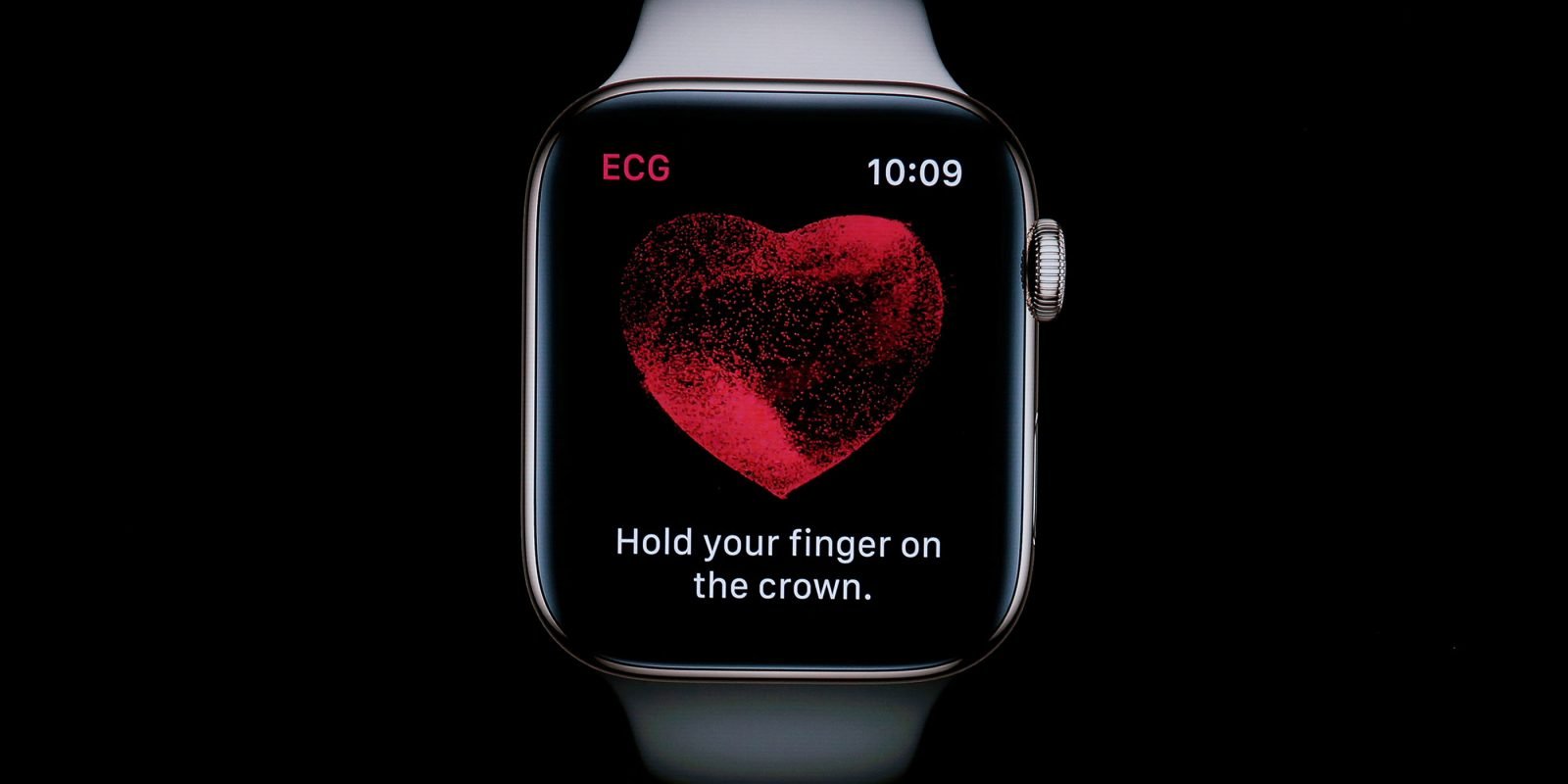
After six months, 21 people in the Apple Watch group were diagnosed with AFib. Of those, 57% had no symptoms whatsoever. In contrast, only 5 people in the standard-care group were diagnosed, and all of them experienced symptoms. This highlights a critical gap in traditional monitoring: AFib is often intermittent and asymptomatic, meaning short-term monitoring during doctor visits can easily miss it.
Why Continuous Monitoring Matters
Atrial fibrillation is an irregular heart rhythm that can lead to blood clots, stroke, and heart failure. Many people with AFib don't feel anything unusual, which is why it's often called a "silent" condition. Traditional diagnostic methods typically rely on symptom reporting or short-term monitoring like a 24-hour Holter monitor. If you're not experiencing symptoms during that brief window, the condition goes undetected.
The Apple Watch's strength lies in its continuous monitoring capabilities. Using photoplethysmography (PPG) sensors to detect irregular pulse rhythms and the ECG app for on-demand electrical heart readings, the watch can identify patterns that might be missed during occasional check-ups. The device alerts users to irregular rhythms, prompting them to seek medical attention.
Michiel Winter, a cardiologist at Amsterdam UMC and one of the study's authors, explained the implications: "Using smartwatches with PPG and ECG functions aids doctors in diagnosing individuals unaware of their arrhythmia, thereby expediting the diagnostic process. Our findings suggest a potential reduction in the risk of stroke, benefiting both patients and the healthcare system by reducing costs."
The Broader Healthcare Impact
The study's findings extend beyond individual health benefits. Early detection of AFib allows for timely intervention with anticoagulant medications or other treatments, which can prevent strokes. The researchers noted that the cost savings from preventing strokes could offset the initial cost of the device, making it a potentially cost-effective screening tool for high-risk populations.
This isn't just theoretical. Since Apple added the ECG app and irregular heart rhythm notifications with the Apple Watch Series 4 in 2018, there have been numerous documented cases of the wearable alerting users to serious heart conditions. The Amsterdam UMC study provides the kind of rigorous, peer-reviewed data that healthcare systems need to consider integrating wearables into preventive care strategies.
Technical Context and Limitations
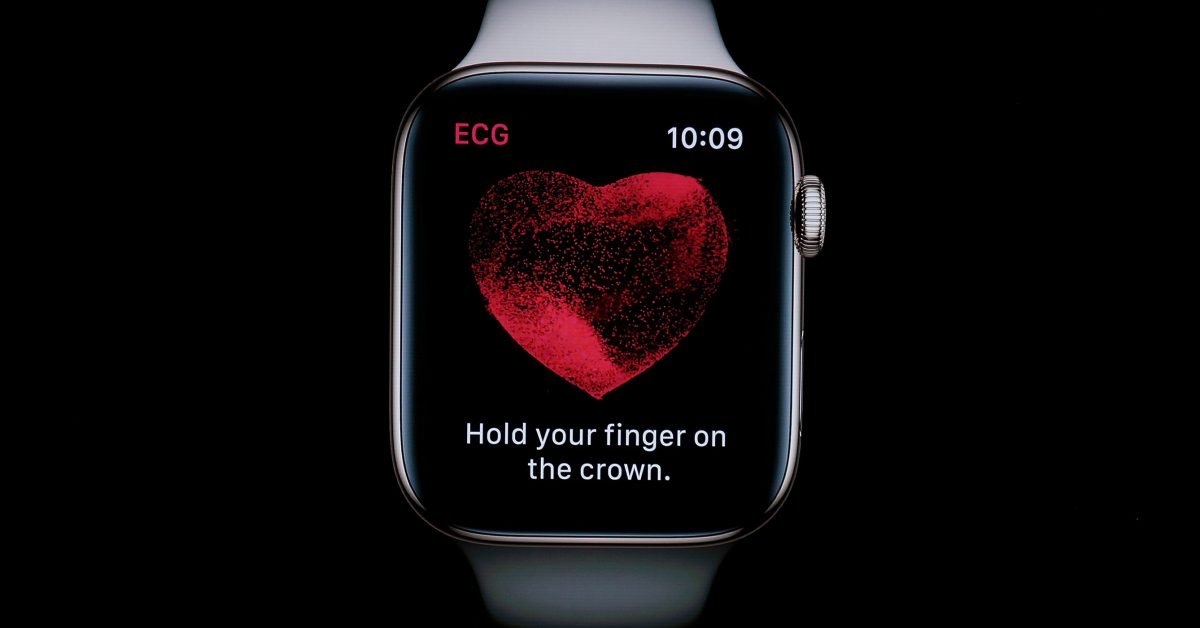
It's important to understand what the Apple Watch can and cannot do. The device isn't designed to diagnose conditions definitively—it's a screening tool. When it detects an irregular rhythm, it prompts users to seek medical confirmation. The ECG app provides a single-lead ECG reading, which is less comprehensive than a 12-lead ECG performed in a clinical setting but sufficient for detecting AFib.
The study's design reflects real-world usage patterns. Participants wore the watch for about 12 hours daily, not continuously, which is more practical for most users. This suggests the findings might even underrepresent the device's potential, as more consistent wear could yield even more detections.
Ecosystem Considerations
For Apple, this study reinforces the value of its health-focused ecosystem. The Apple Watch doesn't operate in isolation—it's part of a system that includes the Health app, which stores and shares data with healthcare providers. This integration allows for seamless sharing of ECG readings and rhythm history with doctors, facilitating faster diagnosis.
However, this ecosystem also creates lock-in. The data collected by the Apple Watch is most easily accessed and shared through Apple's own platforms. While users can export some data, the full experience is optimized for those invested in Apple's ecosystem. This raises questions about accessibility and whether similar benefits could be achieved with other wearables or platforms.

Looking Ahead
The Amsterdam UMC study adds to a growing body of evidence supporting wearable technology in healthcare. As these devices become more sophisticated and their data more clinically validated, we may see them integrated into standard preventive care protocols, particularly for high-risk populations.
For consumers, the takeaway is clear: if you're at risk for heart conditions, a smartwatch with ECG and irregular rhythm detection capabilities could be a valuable tool. However, it's not a replacement for regular medical check-ups or professional diagnosis. The technology works best when combined with clinical oversight.
The full study is available on the JACC Journals website. For those interested in the technical details of how the Apple Watch detects AFib, Apple provides detailed information on its Apple Watch Heart Health page.
Comments
Please log in or register to join the discussion