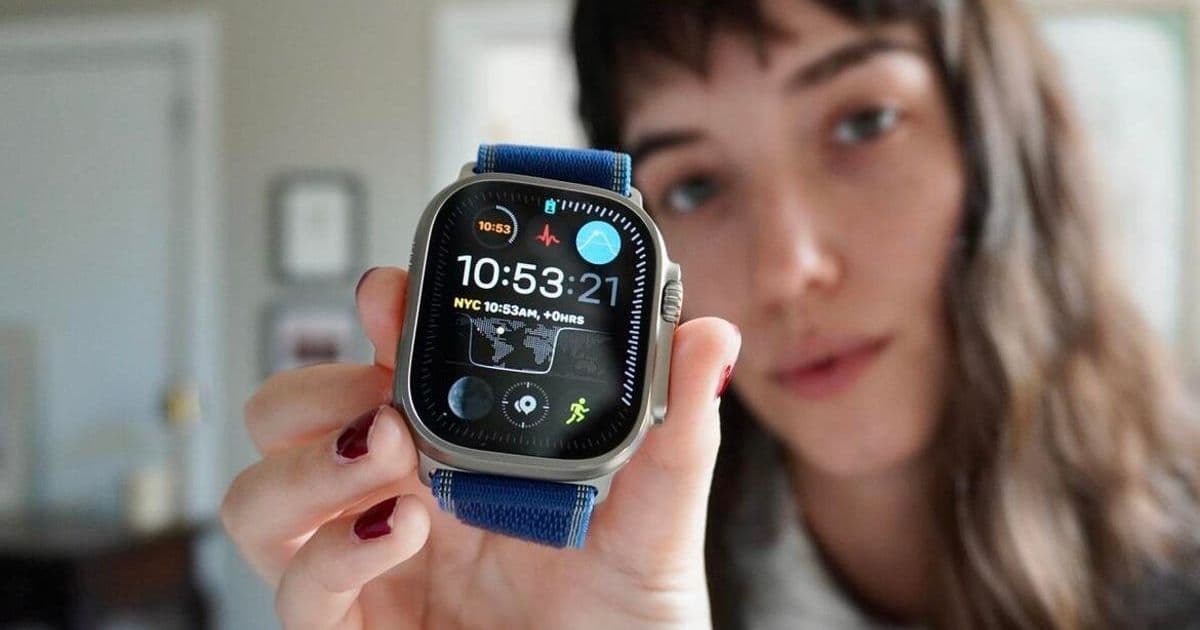
ZDNET's testing reveals the Apple Watch Ultra 3 shines with its unprecedented 42-hour battery life and potentially life-saving Emergency SOS via Satellite features, cementing its position as the go-to smartwatch for extreme adventurers. While its bulk hinders sleep tracking, its rugged build, expansive display, and advanced health sensors make it a powerhouse for demanding users, though its high price and incremental upgrades warrant careful consideration for existing Ultra 2 owners.
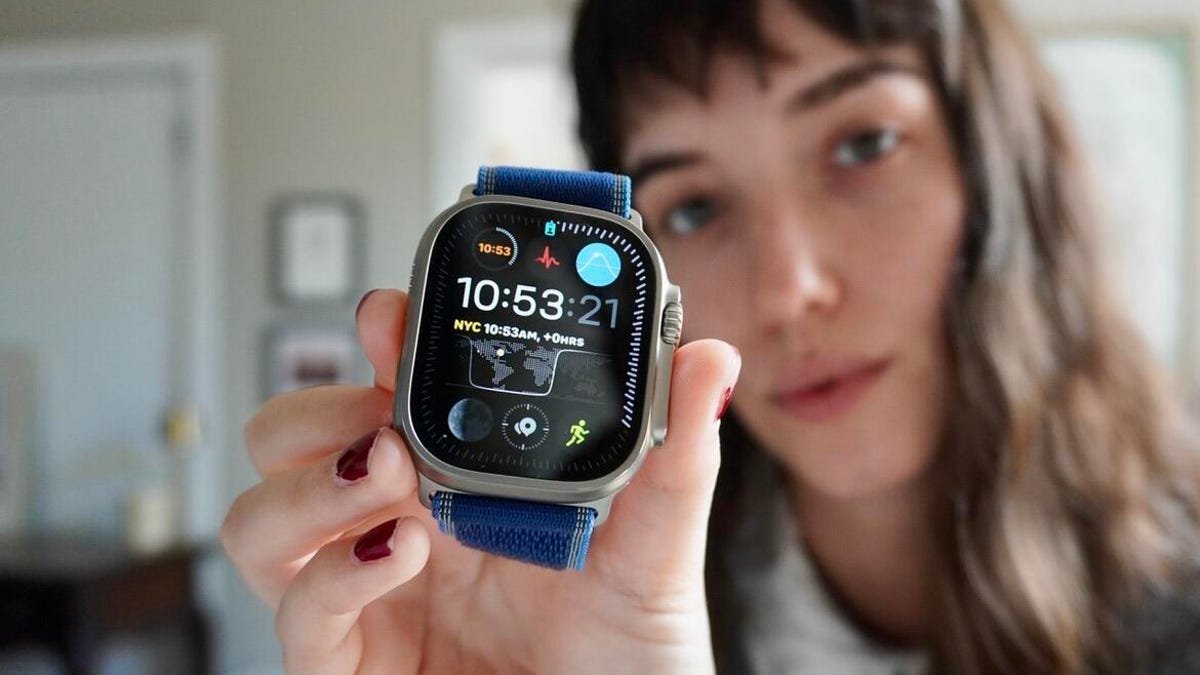 Apple Watch Ultra 3: Engineered for endurance and emergencies. (Image: ZDNET)
For the elite athlete scaling a remote peak or the adventurer pushing physical limits far from cellular towers, the smartwatch isn't merely a convenience—it's a critical tool. Apple targets this demanding audience head-on with the Apple Watch Ultra 3, positioning it as the apex predator in its wearable lineup. Following ZDNET's rigorous testing, the watch delivers on core promises of endurance and emergency readiness, though its appeal remains highly specialized.
The Endurance Champion: 42 Hours Unleashed
The most tangible leap forward is battery life. Powered by the new S10 chip, the Ultra 3 achieves a rated 42 hours of typical use – a significant six-hour gain over its predecessor. "This 42-hour upgrade kept me ahead of battery drain and made continuous use simple," reports ZDNET's Nina Raemont. For multi-day expeditions or simply users frustrated by daily charging, this longevity is transformative. It underpins the watch's core identity as a device designed to stay operational when others fail.
Beyond the Grid: Satellite SOS - A Lifeline Redefined
The Ultra 3's headline safety feature, Emergency SOS via Satellite, represents a profound technological and experiential shift. Building on the Ultra 2's foundation, Apple has refined the system. When triggered, users navigate a structured questionnaire detailing their emergency (e.g., car crash, medical issue, lost on steep terrain). The watch then guides the user to find a connection with orbiting satellites roughly 800 miles above.
"In my demo, we moved left and right... to get a proper view of the satellite and send that report," Raemont describes. This report transmits the user's precise location, Medical ID details, battery status, and the emergency specifics. Connection via satellite to a relay center follows for further assistance.
While ZDNET contributor and seasoned hiker Adrian Kingsley-Hughes noted the Ultra 2's satellite functionality was "a faff" compared to dedicated devices like Garmin's inReach, the Ultra 3's implementation aims for greater user-friendliness in critical moments. "These features are like security blankets that give users peace of mind while they're off-grid," Kingsley-Hughes told Raemont. This feature, while hopefully never used, fundamentally changes the risk calculus for remote adventures.
The Rugged Powerhouse: Display, Health, and Build
Beyond endurance and emergencies, the Ultra 3 embodies rugged capability:
- Expansive, Efficient Display: The wide-angle OLED with LTPO3 technology offers unparalleled visibility and power efficiency. Its size makes interactions like typing messages surprisingly feasible.
- Advanced Health Monitoring: It inherits Apple's full health suite, including the recently FDA-cleared Hypertension Detection. This feature uses PPG sensors to identify potential hypertension trends over a 30-day period (though Raemont notes longer testing is needed for validation). Sleep Apnea Detection, Blood Oxygen, ECG, and more are also onboard.
- Extreme Environment Ready: Certified to MIL-STD 810H, water-resistant to 100m, IP6X dust-resistant, and tested against shock, altitude, and extreme temperatures, the Ultra 3 is built for harsh conditions. The Action Button provides instant workout initiation.
Trade-offs and Target Audience
This capability comes with compromises:
- Bulk & Sleep: "This smartwatch... was the hardest to sleep with. Its bulky nature and huge screen made its existence on my wrist nearly unforgettable throughout the night," Raemont states. For dedicated sleep tracking, the lighter Series 11 or SE 3 are better choices.
- The Upgrade Question: For Ultra 2 owners, the value proposition is nuanced. The core upgrades are battery life and the refined Satellite SOS. "I wouldn't say the Ultra 3 is a worthy upgrade for Ultra 2 users... unless they are chiefly purchasing it for the Emergency SOS through Satellite services or need six more hours of battery," advises Raemont.
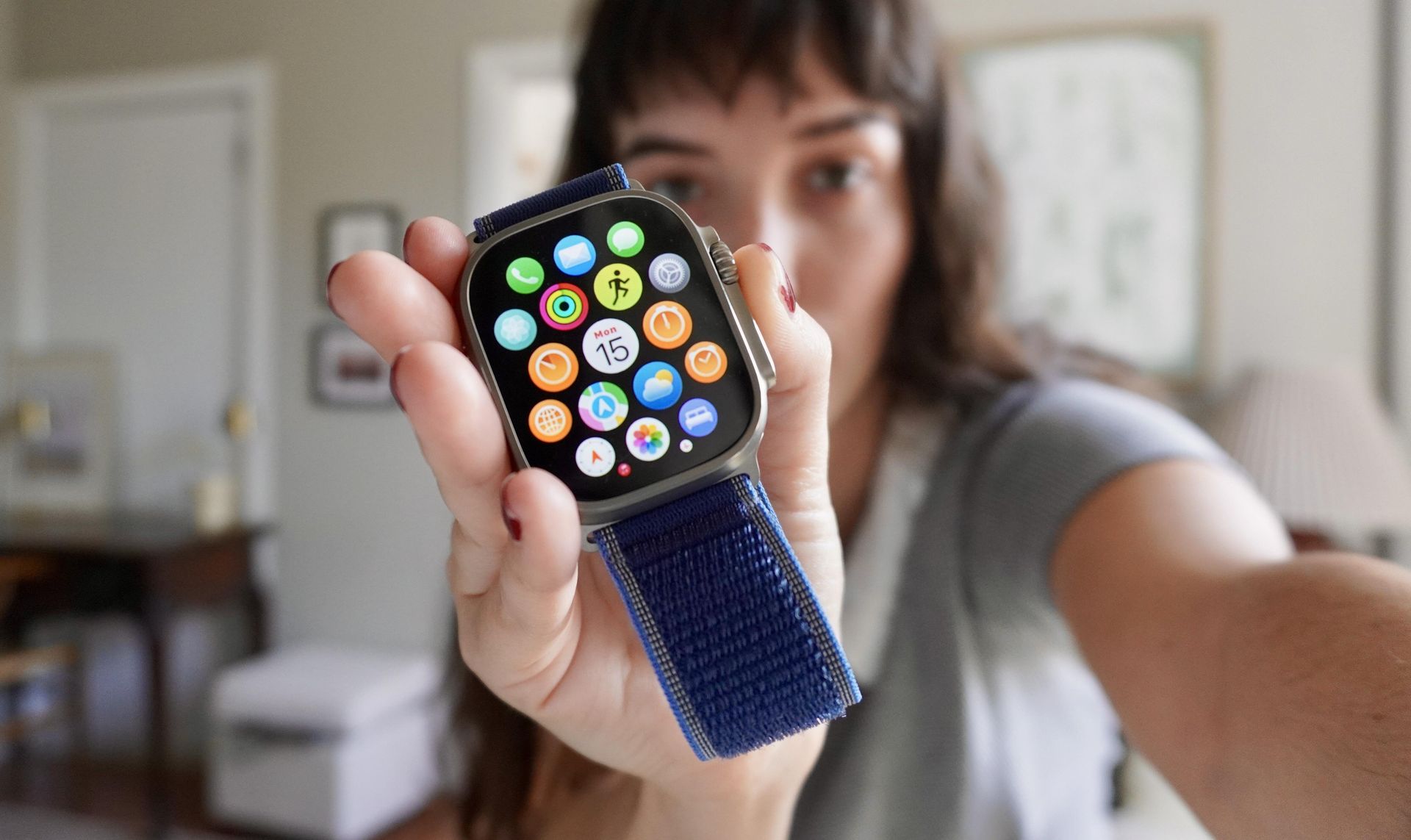 Ultra 3 (left) vs. Series 11 (right): Size and purpose diverge. (Image: ZDNET/Nina Raemont)
Who is the Ultra 3 For? Strategic Adoption Advice
The Ultra 3's $799 price tag demands justification. ZDNET's assessment pinpoints its ideal user:
- Serious Adventurers & Athletes: Those regularly venturing off-grid, engaging in ultra-endurance events (Ironman, multi-day hikes), or operating in extreme environments where satellite communication and maximum battery are non-negotiable.
- Ultra 1 (or older) Owners: Users of the original Ultra seeking a substantial battery and safety upgrade.
- Rugged Watch First-Timers Needing Peak Apple Tech: Individuals entering the rugged smartwatch market who prioritize having Apple's absolute latest and most capable health and safety features in a durable package.
The Verdict: A Niche Leader, Refined
The Apple Watch Ultra 3 isn't for everyone, and Apple doesn't pretend it is. It's a highly specialized instrument for those who push boundaries where failure isn't an option. Its dramatically extended battery life and potentially life-saving satellite connectivity solidify its position as the premier rugged smartwatch for Apple's ecosystem. For the core audience of adventurers and endurance athletes, these upgrades are compelling. For others, the sleeker Series 11 or SE 3 offer the Apple Watch experience without the heft or premium cost. The Ultra 3 stands as a testament to engineering for the extremes, proving that in the demanding world of adventure tech, endurance and the ability to call for help when all else fails are the ultimate luxuries.
Comments
Please log in or register to join the discussion