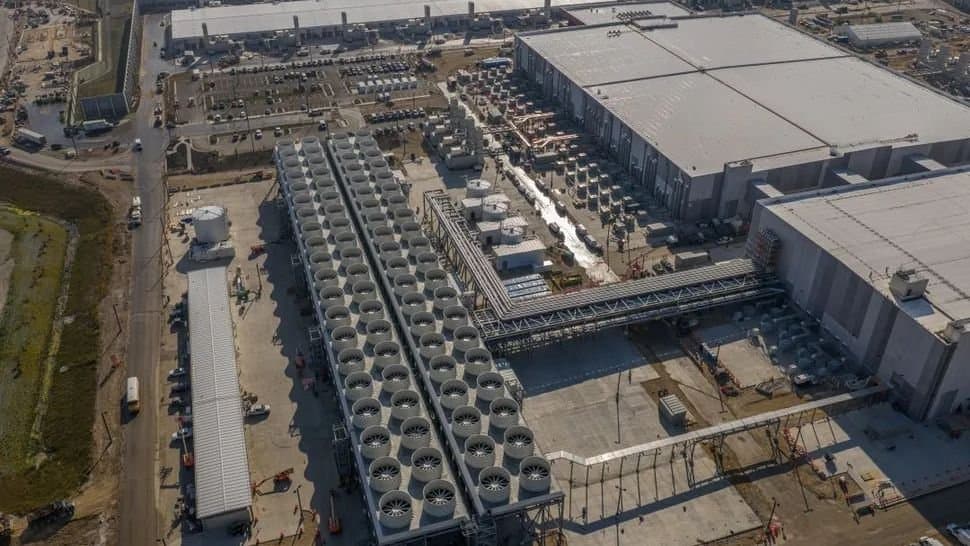
A former crypto-mining company is building a 430 MW AI data center in an undisclosed Southern U.S. location, citing sensitivity to small-town communities. The move reflects broader industry challenges as data center power consumption drives up electricity costs for residents and draws scrutiny from lawmakers.
The AI infrastructure race has entered a new phase of secrecy. Applied Digital, a company that pivoted from blockchain mining to AI data centers, has broken ground on a massive 430 MW facility in an undisclosed location in the Southern United States. The company's CEO, Wes Cummins, stated the location remains confidential to protect a small town from "national media attention," claiming local communities lack sophisticated public communications departments to handle the influx of scrutiny.
This approach marks a significant shift in data center deployment strategy. While hyperscalers like Microsoft and Google typically announce new facilities with fanfare, Applied Digital's secrecy underscores the growing friction between rapid AI infrastructure expansion and community impact. The company plans to reveal the location by February 2025, but its current stance reflects a broader industry dilemma: how to scale AI compute capacity without overwhelming local resources.
Technical Scale and Power Implications
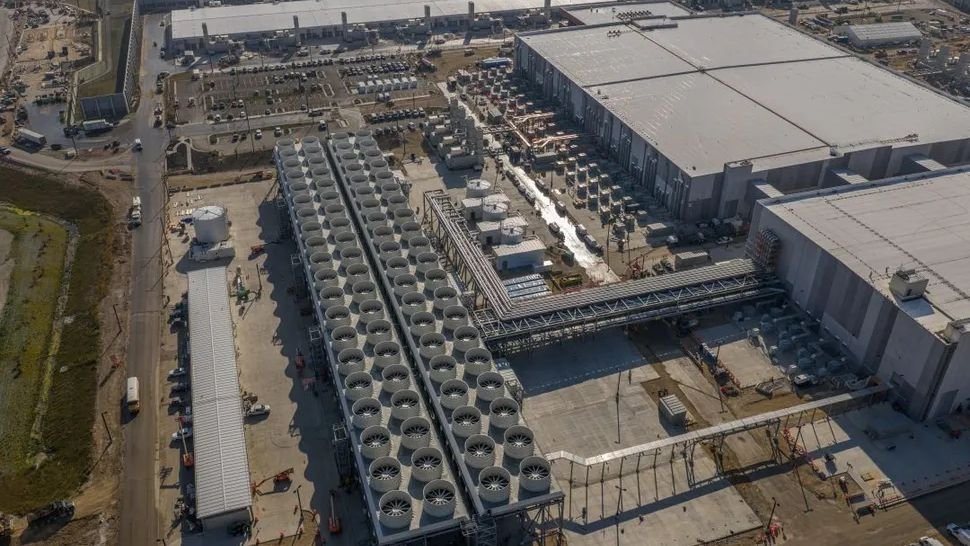
A 430 MW data center represents substantial computational capacity. To contextualize this scale:
- Power Equivalent: 430 MW equals approximately 430,000 kilowatts, enough to power roughly 300,000 average U.S. homes simultaneously
- AI Compute Density: Modern AI training clusters typically require 25-50 kW per rack, meaning this facility could house 8,600 to 17,200 high-density GPU racks
- Energy Demand: At full utilization, annual energy consumption would reach approximately 3.76 terawatt-hours, comparable to the annual electricity usage of a mid-sized city
The power requirements alone explain why Applied Digital might seek locations with available grid capacity. The Southern U.S. offers several advantages: relatively lower electricity rates, abundant renewable energy potential, and state-level incentives for data center development. However, these same factors create competition with residential and commercial power needs.
Community Impact and Economic Realities
Applied Digital's previous projects in Harwood, North Dakota, and Ellendale, Colorado, faced local opposition. The pattern reveals a consistent challenge: data centers bring jobs and tax revenue but also strain local infrastructure and increase energy costs for existing residents.
Recent data from the U.S. Energy Information Administration shows residential electricity prices increased 15% nationally between 2020 and 2023, with some regions experiencing spikes up to 36%. Wholesale electricity prices have surged 267% over five years in certain markets, driven by increased demand from data centers, industrial electrification, and aging grid infrastructure.
The economic impact extends beyond electricity bills. Data centers require significant water for cooling, with modern facilities consuming 1-5 million gallons daily. In drought-prone regions, this creates additional tension with agricultural and residential water needs.
Regulatory and Political Response
The growing scrutiny has reached the highest levels of government. Senator Elizabeth Warren, along with two Democratic colleagues, has demanded explanations from major AI companies about their energy consumption patterns. Senator Bernie Sanders has proposed a moratorium on new AI data center construction, citing environmental and social equity concerns.
Even former President Donald Trump, typically supportive of business expansion, stated that AI companies must "pay their own way" and that changes would ensure Americans don't "pick up the tab" for data center infrastructure costs.
This bipartisan concern reflects a fundamental shift in how policymakers view data center expansion. Previously treated as pure economic development, these facilities are now being evaluated for their broader societal impact.
Industry Response and Mitigation Strategies
In response to mounting pressure, some companies have begun implementing community-focused initiatives. Microsoft recently announced a 5-point community-first framework, committing to "be a good neighbor" through local hiring, infrastructure improvements, and environmental mitigation.
OpenAI has pledged to fund grid upgrades to reduce stress on local energy supplies. These commitments represent an acknowledgment that the industry's growth trajectory requires social license to operate.
However, the effectiveness of these initiatives remains unproven. Grid upgrades typically take years and require coordination between utilities, regulators, and local governments. Environmental mitigation measures, while valuable, may not address the core issue of resource allocation in communities with limited capacity.
Technical Considerations for Future Deployment
Applied Digital's approach highlights several technical realities about modern AI infrastructure:
Location Strategy: The company's choice of the Southern U.S. likely reflects access to renewable energy sources, particularly solar and wind, which can provide cleaner power at competitive rates. States like Texas, Georgia, and North Carolina offer favorable regulatory environments and available transmission capacity.
Cooling Technology: At 430 MW, the facility will require advanced cooling solutions. Direct-to-chip liquid cooling or immersion cooling systems may be necessary to manage the heat density of AI accelerators, reducing water consumption compared to traditional evaporative cooling.
Power Procurement: The company may be pursuing power purchase agreements (PPAs) with renewable energy developers to secure long-term, cost-stable electricity. This approach can provide price predictability while addressing environmental concerns.
Grid Integration: Large data centers often require dedicated substations and transmission lines. The secrecy may partly relate to ongoing negotiations with utility providers about infrastructure requirements and cost-sharing arrangements.
Market Implications
Applied Digital's secretive approach could set a precedent for future AI infrastructure projects. If successful, other companies might adopt similar strategies to avoid community backlash during the critical early phases of construction.
However, this approach carries risks. Lack of transparency can breed distrust, potentially leading to more intense opposition once the location is revealed. The company's history of controversy in North Dakota and Colorado suggests that secrecy alone won't resolve underlying community concerns.
The broader AI industry faces a fundamental challenge: compute demand is projected to grow 10x by 2030, requiring massive new infrastructure. Each megawatt of data center capacity supports approximately $10-20 million in annual AI service revenue, creating enormous economic incentives for rapid expansion.

Looking Ahead
Applied Digital's 430 MW facility represents one of many large-scale AI data centers in development. Industry analysts estimate that global data center capacity will need to double by 2030 to meet AI compute demand, requiring over $1 trillion in infrastructure investment.
The tension between rapid deployment and community impact will likely intensify. Companies that master the balance between technical requirements, economic viability, and social responsibility will gain competitive advantages in both talent acquisition and regulatory approval.
For Applied Digital, the February 2025 location reveal will be a critical test. The company must demonstrate that its community-sensitive approach actually benefits local residents through job creation, tax revenue, and infrastructure improvements, not just avoids negative publicity.
The AI infrastructure race continues, but the rules of engagement are changing. Success now requires more than technical excellence and financial backing—it demands social license, environmental stewardship, and transparent community engagement. Applied Digital's secretive approach may be a temporary tactic, but the industry's long-term solution must address the fundamental question: how to build the computational backbone of artificial intelligence without breaking the communities that host it.
The coming year will reveal whether Applied Digital's strategy represents a new model for responsible AI infrastructure development or merely a temporary workaround for deeper systemic challenges. Either way, the 430 MW facility in the Southern U.S. will serve as a crucial case study for the entire industry.
Comments
Please log in or register to join the discussion