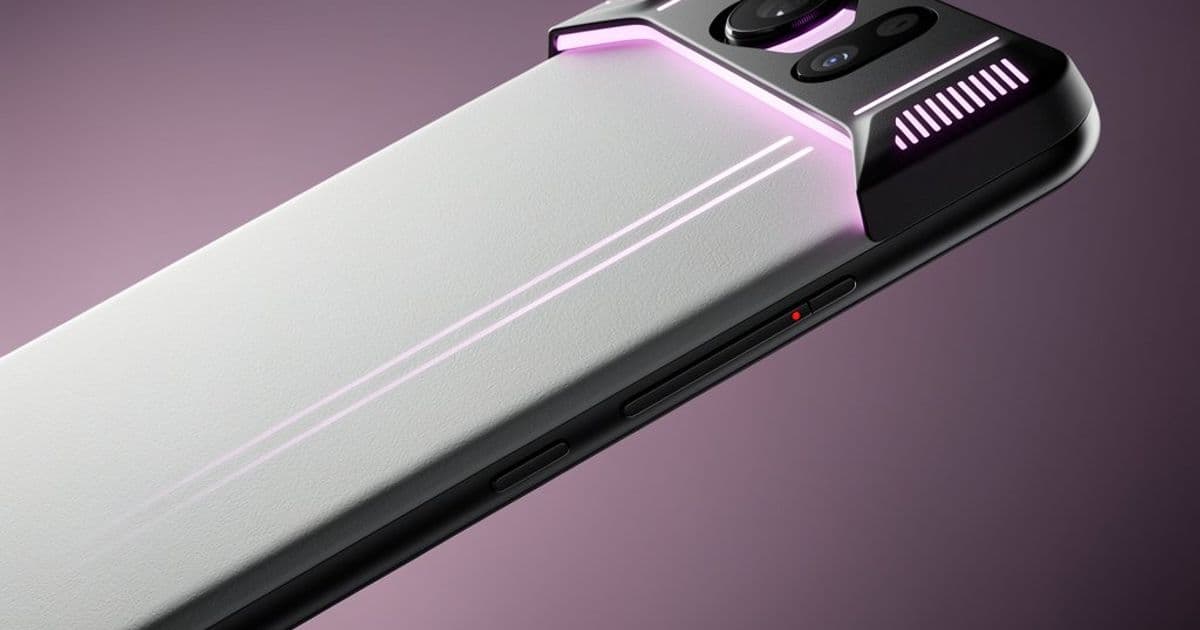
iQOO's upcoming flagship will use touch-sensitive shoulder triggers with haptic feedback and a 600Hz sampling rate, relying on dual control chips and an anti-sweat algorithm to deliver a mechanical-free gaming experience.
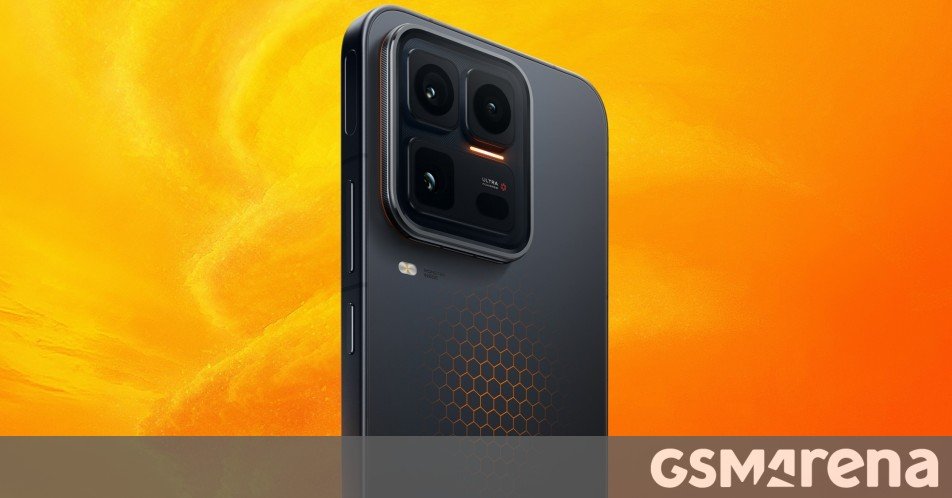
The iQOO 15 Ultra is taking a different approach to mobile gaming controls. Instead of traditional physical buttons, the upcoming flagship will feature touch-sensitive shoulder triggers that use haptic feedback to simulate a press. According to a Weibo post from iQOO's product manager, these triggers will launch with the phone in China next month.
How the Touch-Sensitive Triggers Work
The system relies on two independent control chips to process touch inputs at a 600Hz sampling rate. This high sampling rate means the triggers can register inputs faster than traditional mechanical buttons, which typically rely on single control processors. The dual-chip setup reduces latency by handling trigger inputs separately from the main touch controller.
A linear motor inside the phone provides haptic feedback that simulates the physical sensation of pressing a button. According to iQOO, this ensures consistent feedback even after months of use, addressing a common complaint with mechanical triggers that can become loose or unresponsive over time.
The company also implemented an "anti-sweat" algorithm alongside sweat-resistant materials on the trigger surface. This combination is designed to prevent accidental inputs during intense gaming sessions when hands get sweaty—a problem that plagues many touch-based gaming controls.
Advantages Over Mechanical Triggers
iQOO's product manager outlined several benefits of this design:
Durability: Touch-sensitive triggers have an "almost unlimited" lifespan since they don't have moving parts that wear down. Traditional shoulder buttons can fail after thousands of presses due to mechanical fatigue.
Clean Design: The triggers sit flush with the phone's frame, preventing dust and grime buildup that can affect mechanical button performance over time.
Reduced Latency: Without mechanical actuation, the system can register inputs faster. The 600Hz sampling rate combined with dual control chips should deliver response times competitive with or better than physical buttons.
Consistency: The haptic motor provides uniform feedback regardless of how long you've owned the phone, unlike mechanical buttons that can develop play or inconsistent feel.
Why It Matters for Gaming
The product manager noted that iQOO users are heavily skewed toward gaming enthusiasts, which explains the company's focus on gaming-centric features. Shoulder triggers are particularly valuable in FPS and battle royale games where on-screen controls can obscure the view and reduce precision.
Modern mobile games often map multiple actions—crouch, reload, scope, jump—to on-screen buttons that require precise thumb placement. Shoulder triggers allow players to offload these actions to their index fingers, freeing thumbs for movement and camera control. This is especially important in competitive play where split-second reactions matter.
The ability to support presets and combinations means players can map complex sequences to a single trigger press, potentially automating multi-step actions like weapon switching or building mechanics in games like Fortnite Mobile.
What We Know About the iQOO 15 Ultra
Beyond the trigger system, the iQOO 15 Ultra is rumored to include:
Snapdragon 8 Elite Gen 5 SoC: Qualcomm's next-generation flagship chipset expected to deliver significant performance improvements over the current Snapdragon 8 Gen 3.
Active Cooling Fan: Previous leaks suggest an integrated cooling fan to sustain peak performance during extended gaming sessions—a feature we've seen in gaming phones like the RedMagic series.
Launch Timeline: The phone will debut in China next month, with global availability likely to follow.
The Bigger Picture: Gaming Phone Evolution
This move reflects a broader trend in gaming phones toward software-defined controls. Companies like RedMagic and ASUS have experimented with both physical and touch-based shoulder triggers, but iQOO's approach of combining high sampling rates, haptic feedback, and anti-sweat algorithms represents an attempt to solve the fundamental limitations of both approaches.
Physical buttons offer tactile feedback but add mechanical complexity and potential failure points. Pure touch controls eliminate mechanical wear but lack feedback and can be unreliable with sweaty hands. iQOO's hybrid approach—touch sensors with haptic simulation—aims to capture the best of both worlds.
The 600Hz sampling rate is particularly notable. Most smartphone touchscreens sample at 120Hz or 240Hz. By quadrupling that rate specifically for the triggers, iQOO is prioritizing input speed for gaming over power efficiency, which aligns with the phone's positioning as a gaming-first device.
As mobile gaming continues to grow—projected to reach $138 billion in revenue by 2025—manufacturers are investing heavily in features that differentiate their devices. The iQOO 15 Ultra's trigger system represents a calculated bet that gamers will value the durability and performance advantages enough to choose it over traditional gaming phones with physical buttons.
More details about the iQOO 15 Ultra should emerge as the launch approaches, including pricing, full specifications, and whether this trigger technology will appear in other iQOO models or even other brands under the BBK Electronics umbrella (OnePlus, Realme, OPPO).
Source: Weibo post by iQOO product manager Related: iQOO 15 review on GSMArena
Comments
Please log in or register to join the discussion