The Konni hacker group is using AI-assisted malware in a new campaign targeting blockchain developers, with infection chains that show clear signs of LLM-generated code and sophisticated evasion techniques.
The North Korean threat group Konni (also known as Opal Sleet and TA406) has launched a targeted campaign against blockchain engineers using PowerShell malware that appears to be generated with artificial intelligence assistance. Check Point researchers analyzing the malware samples noted unusual characteristics that suggest AI involvement in the malware's development, marking a significant evolution in how state-sponsored hacking groups operate.
The Attack Chain: Discord Links and Multi-Stage Payloads
The campaign begins with victims receiving Discord-hosted links that deliver ZIP archives containing a PDF lure and a malicious LNK shortcut file. When executed, the LNK runs an embedded PowerShell loader that extracts a DOCX document and a CAB archive containing multiple components:
- A PowerShell backdoor
- Two batch files
- A UAC bypass executable
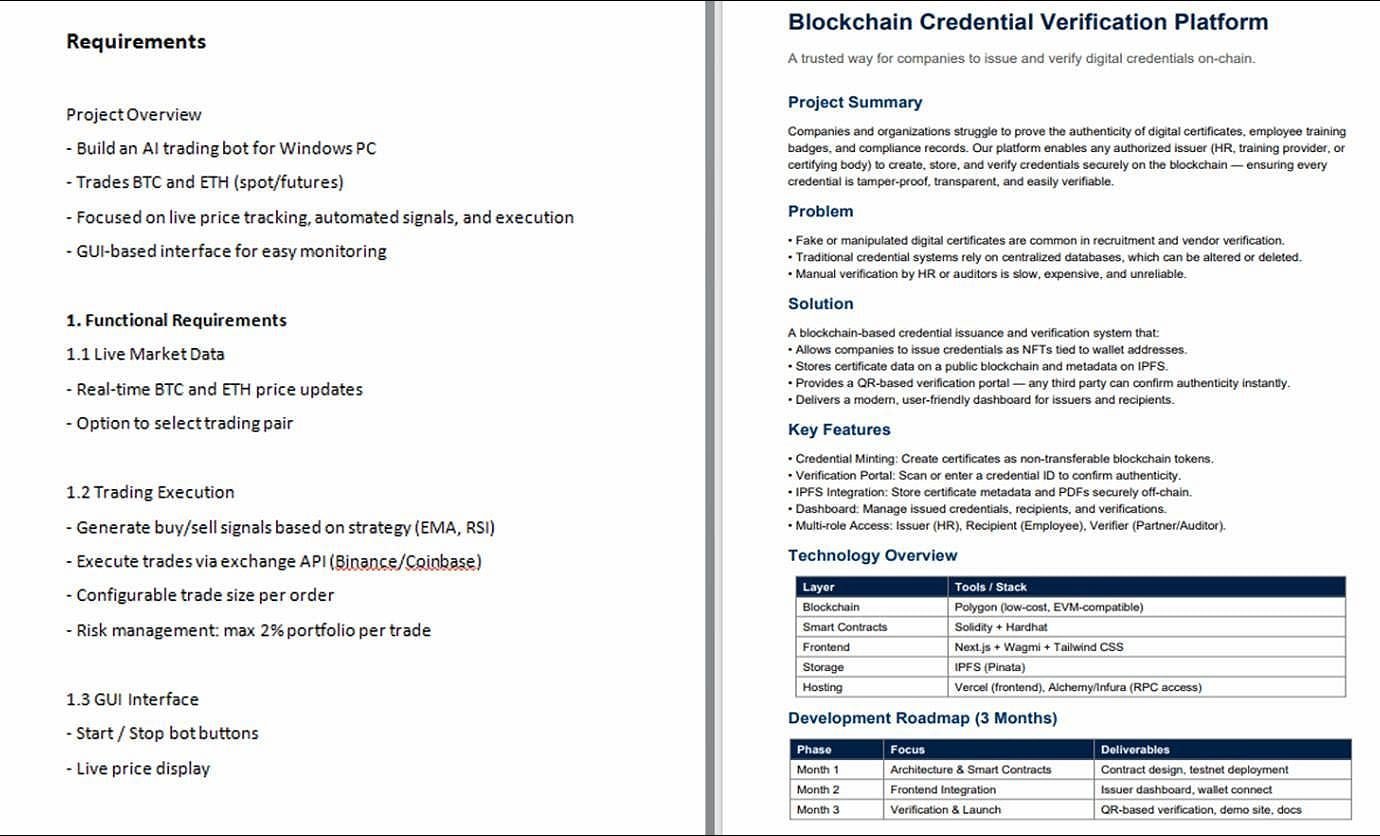
The infection process is deliberately designed to appear legitimate. Launching the shortcut file causes the DOCX to open while executing one of the batch files from the cabinet file. The lure document suggests the hackers are specifically targeting development environments, which could provide access to sensitive assets including infrastructure, API credentials, wallet access, and cryptocurrency holdings.
Evasion Through Scheduled Tasks and Self-Destruction
The malware employs several techniques to maintain persistence while avoiding detection. The first batch file creates a staging directory for the backdoor and the second batch file. It then creates an hourly scheduled task masquerading as a "OneDrive startup" task. This task reads an XOR-encrypted PowerShell script from disk, decrypts it for in-memory execution, and finally deletes itself to wipe infection signs.
This self-deletion mechanism is particularly concerning because it removes forensic evidence that security teams might use to detect the breach. The scheduled task continues to run in the background, making the malware difficult to trace back to its initial infection vector.
AI-Generated Code Characteristics
The PowerShell backdoor itself shows several hallmarks of AI-assisted development rather than traditional operator-authored malware:
- Clear, structured documentation at the top of the script, which is uncommon in malware development
- Modular, clean layout that follows programming best practices
- Presence of placeholder comments like "# <– your permanent project UUID"
Check Point researchers explain: "This phrasing is highly characteristic of LLM-generated code, where the model explicitly instructs a human user on how to customize a placeholder value. Such comments are commonly observed in AI-produced scripts and tutorials."
The malware uses arithmetic-based string encoding, runtime string reconstruction, and executes final logic via Invoke-Expression. Before execution, it performs hardware, software, and user activity checks to ensure it's not running in analysis environments, then generates a unique host ID.
Privilege-Based Execution Paths
The backdoor follows different execution paths depending on the compromised host's privileges. If running with administrative rights, it can perform more aggressive actions. With standard user privileges, it operates more stealthily. This adaptive behavior makes the malware effective across different target environments.
Once fully operational, the backdoor periodically contacts its command-and-control (C2) server to send basic host metadata. It polls the server at randomized intervals to avoid pattern detection. If the C2 response contains PowerShell code, it converts it into a script block and executes it asynchronously via background jobs.
Attribution and Historical Context
Check Point attributes these attacks to the Konni threat actor based on several factors:
- Earlier launcher formats
- Lure filename and script name overlaps
- Commonalities in the execution chain structure with previous attacks
Konni has been active since at least 2014 and is believed to be associated with APT37 and Kimsuky activity clusters. The group has historically targeted organizations in South Korea, Russia, Ukraine, and various European countries. The latest campaign focuses on targets in the Asia-Pacific region, with malware submissions originating from Japan, Australia, and India.
Defensive Recommendations
Security teams protecting blockchain development environments should implement several countermeasures:
- Block Discord-hosted links in corporate environments, especially those delivering ZIP archives
- Monitor for unusual PowerShell execution patterns, particularly those involving XOR decryption and
Invoke-Expression - Inspect scheduled tasks for entries masquerading as legitimate applications like OneDrive
- Implement application whitelisting to prevent unauthorized script execution
- Conduct regular security awareness training focused on phishing attempts targeting developers
Broader Implications
This campaign represents a concerning evolution in state-sponsored cyber operations. The use of AI-assisted malware development could lower the barrier to entry for creating sophisticated attacks while potentially increasing their effectiveness. The targeting of blockchain engineers specifically suggests that North Korean threat actors are adapting their strategies to exploit the cryptocurrency industry's vulnerabilities.
Check Point has published indicators of compromise (IoCs) associated with this campaign to help defenders protect their assets. Security teams should review these IoCs and implement appropriate detection rules in their security tools.
For organizations in the blockchain and cryptocurrency sectors, this campaign underscores the importance of securing development environments and maintaining strict access controls. The potential for financial loss from compromised wallet access and API credentials makes these targets particularly valuable to threat actors.
Related Resources:
- Check Point Research Blog for detailed technical analysis
- MITRE ATT&CK Framework for understanding the tactics used
- CISA Alerts for government guidance on state-sponsored threats
Comments
Please log in or register to join the discussion