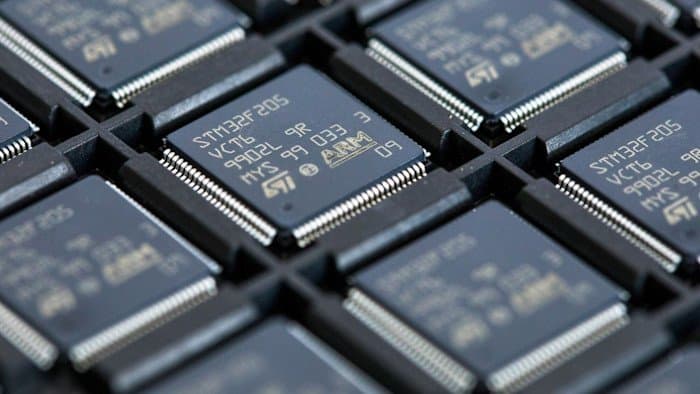
Arm CEO Rene Haas pushes back against investor fears that AI will destroy software companies, calling the concerns overblown while the tech industry grapples with AI's actual impact on business models.
Arm CEO Rene Haas has dismissed investor fears about artificial intelligence destroying software companies as a "micro-hysteria" that doesn't reflect how businesses actually use AI tools. In comments to the Financial Times, Haas pushed back against the narrative that AI represents an existential threat to the software industry, arguing that the reality of AI adoption is far more nuanced than the doomsday scenarios being priced into stocks.
This debate comes as the tech industry grapples with AI's real impact on business models. While some investors worry that AI could render traditional software companies obsolete, others see it as a transformative opportunity. The divergence in perspectives reflects the uncertainty surrounding AI's ultimate economic impact.
The 'Micro-Hysteria' Defense
Haas's characterization of AI fears as "micro-hysteria" suggests he believes the market is overreacting to potential disruption. His comments come at a time when software stocks have faced pressure amid concerns that AI could fundamentally alter how businesses operate and what tools they need.
The Arm CEO's perspective is particularly noteworthy given his company's central role in the AI ecosystem. Arm's chip designs power everything from smartphones to data centers, making it a key beneficiary of AI's growth. If AI were truly an existential threat to software companies, it would likely impact Arm's business as well.
The Reality of AI Adoption
Haas argues that the way businesses actually use AI tools doesn't support the apocalyptic scenarios being discussed. While AI is certainly transforming workflows and creating new capabilities, the transition appears to be more evolutionary than revolutionary for most companies.
This view aligns with observations from other industry leaders who note that AI is being integrated into existing business processes rather than completely replacing them. Companies are using AI to enhance productivity, automate routine tasks, and gain insights from data, but the fundamental need for software infrastructure remains.
Market Skepticism vs. Business Reality
The tension between market skepticism and business reality reflects a broader pattern in technology adoption. Markets often price in extreme scenarios, while actual business adoption tends to be more measured and incremental.
This disconnect can create opportunities for investors who can distinguish between genuine threats and overblown fears. For software companies, the challenge is demonstrating how they can adapt to and benefit from AI rather than being disrupted by it.
The Software Industry's AI Opportunity
Rather than viewing AI as a threat, many software companies are positioning themselves to leverage the technology. Enterprise software vendors are incorporating AI capabilities into their products, while new AI-native companies are emerging to address specific use cases.
The software industry has a history of adapting to technological shifts, and AI may represent another evolution rather than a revolution. Companies that can effectively integrate AI into their offerings while maintaining their core value propositions may find themselves better positioned than ever.
Looking Ahead
As AI continues to mature, the gap between market fears and business reality may narrow. Companies that successfully demonstrate how AI enhances rather than replaces their value proposition could help alleviate investor concerns.
For now, Haas's comments serve as a reminder that while AI is undoubtedly transformative, the narrative around its impact on software companies may be more dramatic than the actual business implications. The "micro-hysteria" he describes may eventually give way to a more balanced understanding of AI's role in the software industry's future.
[Image:  ]
]
Source: Financial Times
Comments
Please log in or register to join the discussion