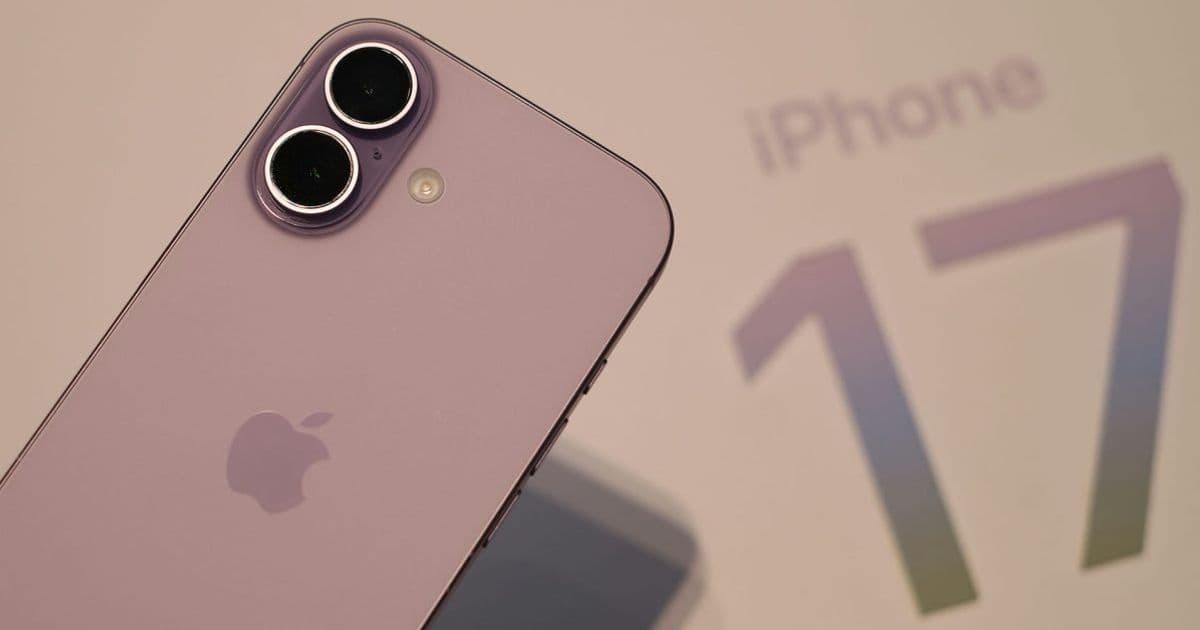
Apple achieved record iPhone sales in China through three key strategies: a compelling base model with Pro features, strategic pricing for government subsidies, and perfect timing with upgrade cycles.
Apple has achieved its best iPhone sales quarter in history in China, marking a dramatic turnaround after 18 months of declining sales in the region. The company reported a 38% year-on-year growth in Greater China, driven primarily by iPhone sales that set an all-time revenue record.
The Three Pillars of Apple's Chinese Success
1. The Game-Changing iPhone 17 Base Model
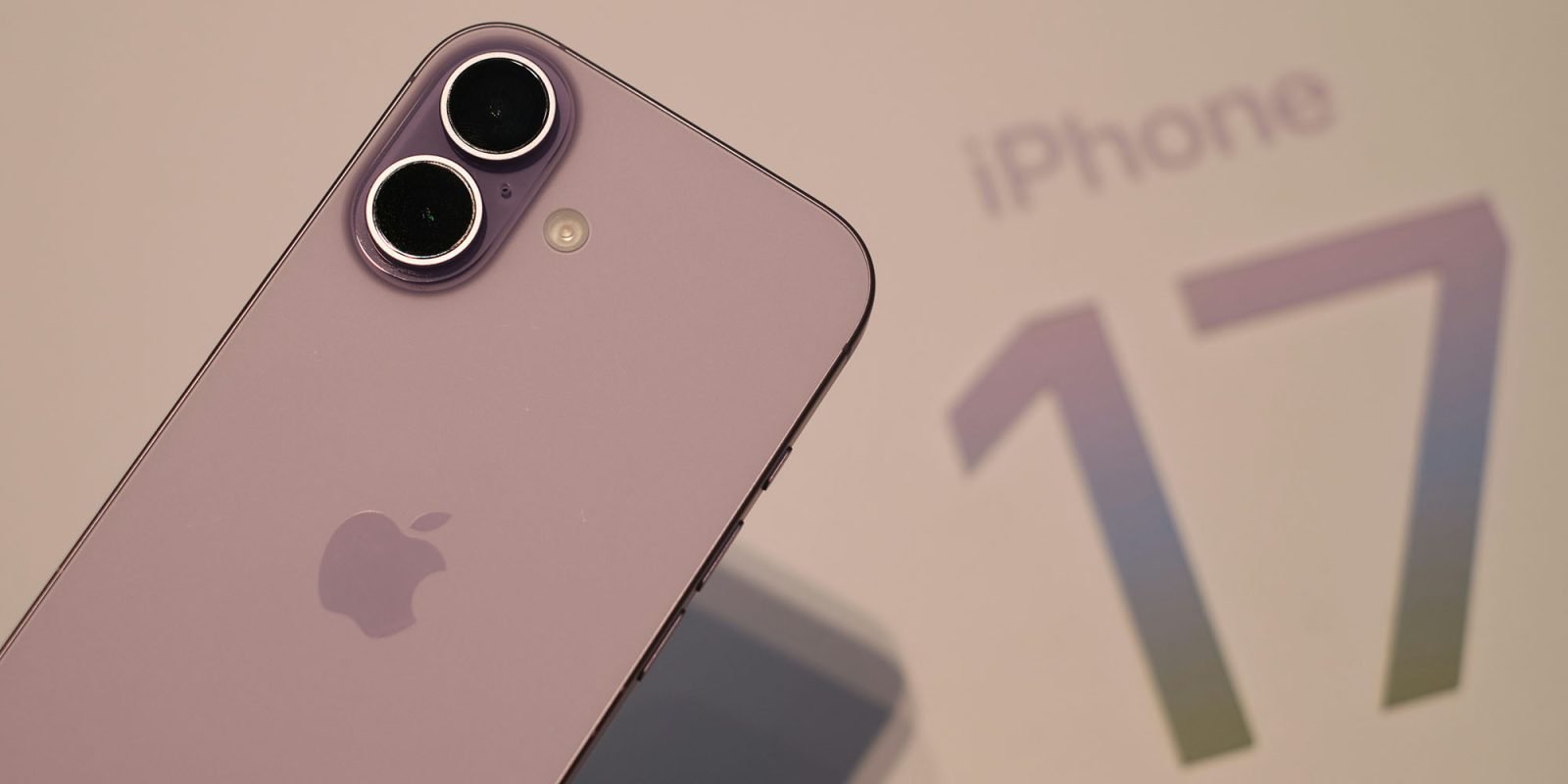
For the first time in years, Apple's base iPhone model doesn't feel like a compromise. The iPhone 17 brought features traditionally reserved for Pro models to the mainstream lineup, creating unprecedented value at its price point.
The base model now includes:
- Always-On display with ProMotion technology
- 18MP selfie camera with Center Stage (same as iPhone 17 Pro)
- Upgraded 48MP Ultra Wide lens on the back
- Overall performance and camera capabilities that rival the Pro model
As one analyst noted, the iPhone 17 achieved something remarkable: it's "an all-around great iPhone with zero significant compromises." The differences between the base and Pro models have narrowed to essentially battery life, performance, and a third camera lens.
This represents a significant upgrade from the previous year's launch, where the baseline iPhone 16 offered more modest improvements. The enhanced features in the iPhone 17 may have motivated more users to upgrade sooner than usual.
2. Strategic Pricing for Government Subsidies
Apple demonstrated remarkable pricing precision by positioning the iPhone 17 at exactly 5,999 RMB – just 7 cents below the 6,000 RMB threshold for Chinese government subsidies. This wasn't accidental; it was a calculated move to maximize affordability.
The Chinese government launched a massive stimulus program in 2025, allocating $43 billion to subsidize domestic purchases of electronics, appliances, and cars. Smartphones priced below 6,000 RMB qualified for up to 15% discounts, making Apple's pricing strategy particularly effective for price-sensitive buyers.
3. Perfect Timing with Upgrade Cycles
Apple's timing couldn't have been better. Many iPhone owners in China typically upgrade every three to four years, and the iPhone 13's launch had created the last major peak in sales. By launching the iPhone 17 when many users were due for upgrades, Apple capitalized on pent-up demand.
The results speak for themselves: iPhones claimed the top three positions among smartphones in urban China during the quarter, according to Worldpanel data. Store traffic in China grew by strong double digits year-over-year, and Apple's installed base reached all-time highs in both Greater China and Mainland China.
The Broader Context
This success represents a significant reversal from the 18-month decline Apple experienced in China, which was largely attributed to the growing sophistication of local smartphone brands. By offering compelling features, strategic pricing, and perfect timing, Apple has demonstrated its ability to adapt to competitive market conditions while maintaining its premium positioning.
The company's achievement goes beyond just selling phones – it's about understanding local market dynamics, government policies, and consumer behavior to create a winning formula in one of the world's most competitive smartphone markets.
Comments
Please log in or register to join the discussion