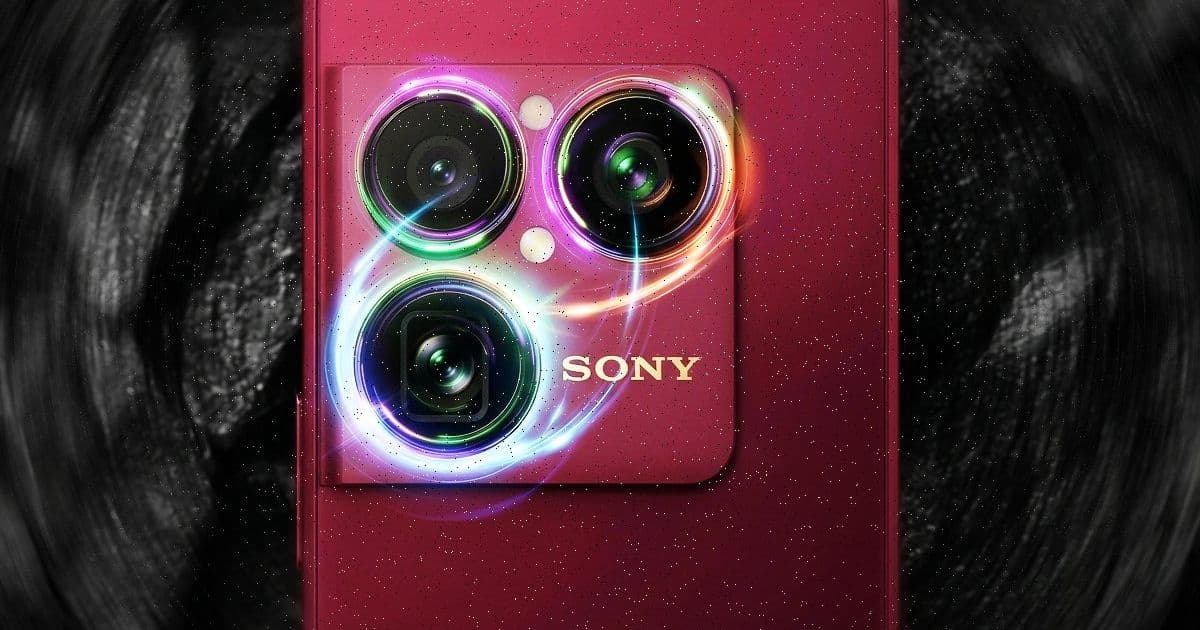
Sony’s latest Xperia 1 VIII teasers showcase luminous rings around the camera module. We break down the three most plausible explanations – a hidden hardware feature, a revived notification LED, or a visual‑only marketing flourish – and compare the specs with the previous generation and rival flagships.
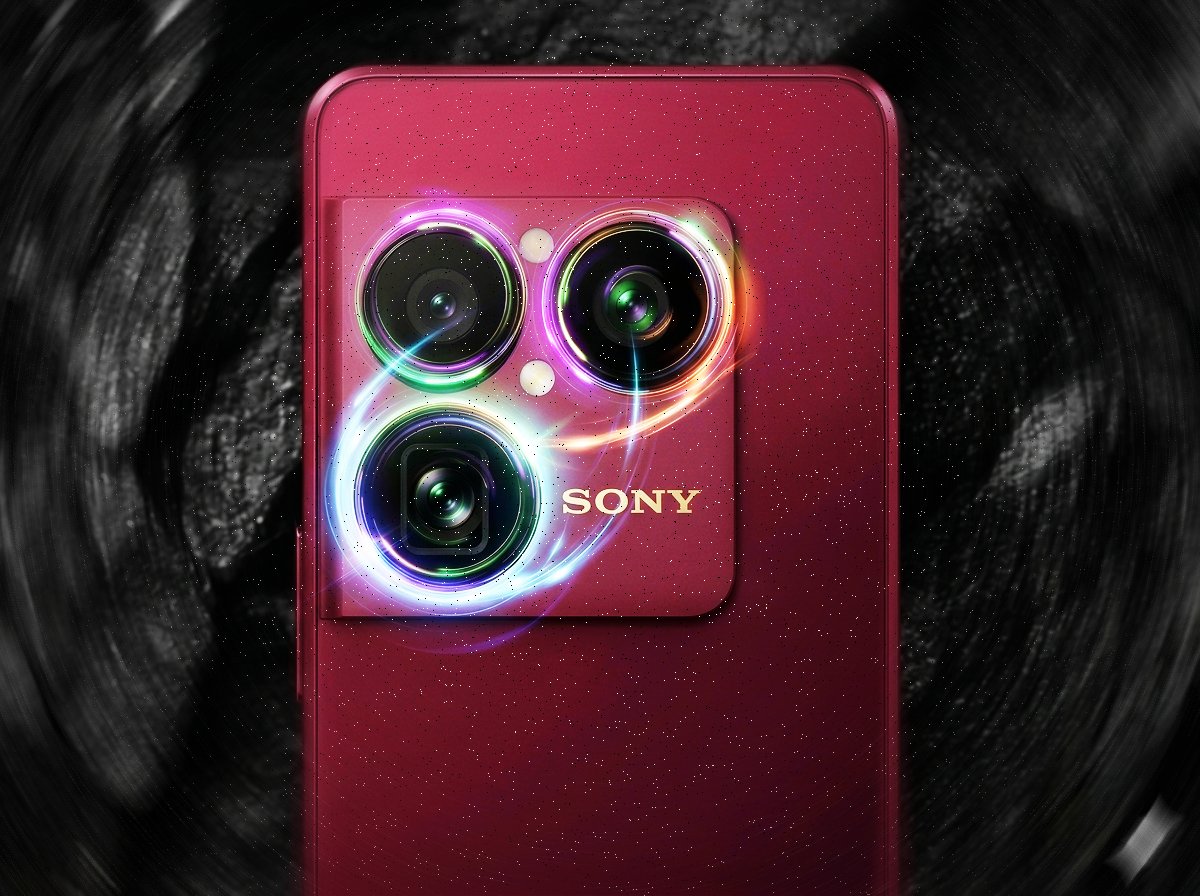
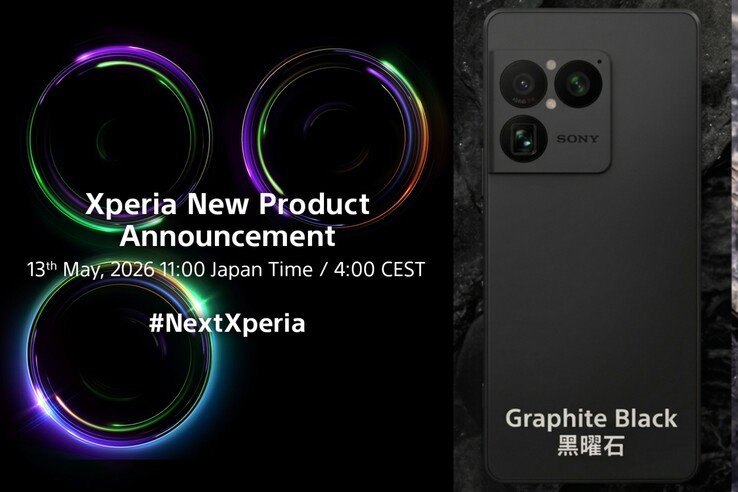
Sony has finally confirmed that the Xperia 1 VIII will arrive on May 13, and the official teasers are dominated by a striking visual cue: a set of glowing rings that outline each lens of the new camera island. The effect instantly reminded many of the Nothing Phone 2 Glyph lights, sparking a flurry of speculation about whether the rings are functional or merely decorative.
What the teasers actually show
The promotional videos and stills released on Sony’s Japanese X account feature a dark‑themed backdrop, with the camera module illuminated by soft blue‑white halos. The rings appear to pulse in sync with the phone’s UI, but the footage is heavily post‑produced, making it difficult to tell if the light originates from the device itself or is added in post‑production.
Three plausible interpretations
1. Real hardware – hidden LEDs around the lenses
One possibility is that Sony has reinstated a notification LED in the form of tiny light strips wrapped around each lens. Android manufacturers abandoned the classic top‑corner LED years ago, but recent devices (e.g., Nothing Phone 2) have shown that users still value a discreet visual cue for alerts. If Sony opted for per‑lens LEDs, they could serve dual purposes:
- Notification alerts (missed calls, messages, calendar events) that appear without waking the display.
- Camera‑related feedback, such as a brief flash when the periscope zoom engages.
Implementing such LEDs would require a redesign of the camera housing to accommodate the light source and wiring, but Sony’s engineering team has the resources to pull it off. The challenge lies in keeping the rings thin enough not to increase the module’s thickness – the Xperia 1 VII already sits at 8.6 mm, and any addition could push the phone beyond the 9 mm mark, which would be noticeable to enthusiasts.
2. A nod to the Nothing “Glyph” – software‑driven lighting effects
A second theory is that the rings are software‑controlled RGB zones that sit on top of a static glass surface. In this scenario, the rings would not be separate LEDs but rather a transparent OLED panel that can emit light in specific patterns. This approach mirrors the Glyph system, where a thin light strip runs the length of the back panel and can display custom animations.
Advantages of a transparent OLED ring include:
- Full‑color flexibility – Sony could change the hue to match system themes or brand events.
- No extra hardware depth – the light source is embedded within the existing back‑panel stack.
- Energy efficiency – OLED pixels only draw power when lit, meaning the rings would have a minimal impact on battery life.
The downside is cost: adding a custom transparent OLED layer raises the bill of materials, which could push the Xperia 1 VIII’s price above the €1,300‑€1,500 range typical for Sony’s flagship.
3. Pure marketing – visual flair with no functional purpose
The simplest explanation is that the glowing rings are purely aesthetic, intended to make the teaser images pop on social media. Sony’s “full circle” tagline could refer to a return to aggressive camera hardware rather than a literal hardware loop. In this case, the rings would be added in post‑production, and the production units would ship without any lighting element at all.
If this is the case, the rings serve only one purpose: to generate buzz and differentiate the Xperia 1 VIII from the sea of monochrome flagships. It would also explain why the leaked renders from April showed a plain camera island – the visual effect was added later, after the hardware design was already frozen.
How the Xperia 1 VIII stacks up against its predecessor and rivals
| Feature | Xperia 1 VII (2023) | Xperia 1 VIII (2026) | Pixel 8 Pro (2024) | Nothing Phone 2 (2024) |
|---|---|---|---|---|
| SoC | Snapdragon 8 Gen 2 | Snapdragon 8 Elite Gen 5 | Google Tensor G3 | Snapdragon 8 Gen 3 |
| RAM | 12 GB LPDDR5 | 12 GB LPDDR5X | 12 GB LPDDR5 | 12 GB LPDDR5 |
| Display | 6.5" 4K OLED, 120 Hz | 6.5" FHD+ OLED, 120 Hz, HDR10+ | 6.7" LTPO OLED, 120 Hz | 6.7" OLED, 120 Hz |
| Camera | Triple 12 MP (wide, tele, ultra) + continuous zoom | Triple 48 MP periscope (3× fixed), 12 MP wide, 12 MP ultra‑wide | Triple 50 MP (wide), 48 MP (tele), 12 MP (ultra) | Dual 50 MP (wide) + 12 MP (ultra) |
| Battery | 5000 mAh, 2‑day claim | 5000 mAh, 2‑day claim, 65 W fast charge | 5000 mAh, 2‑day claim | 4700 mAh, 33 W fast charge |
| Audio | 3.5 mm jack, Dolby Atmos | 3.5 mm jack, Dolby Atmos | No 3.5 mm jack | No 3.5 mm jack |
| Unique features | 21:9 CinemaWide display, 4K video | Potential LED ring or transparent OLED ring, Xperia AI | Tensor‑based AI, Magic Eraser | Glyph lighting, 5G mmWave |
The most tangible upgrade is the 48 MP 1/1.56‑inch periscope sensor, which replaces the continuous zoom system of the 1 VII with a fixed 3× optical zoom. While the loss of continuous zoom may disappoint some photographers, the larger sensor size should deliver better low‑light performance and sharper detail at 3×.
Who will actually care about the glowing rings?
- Power users who miss the notification LED – If Sony has hidden LEDs, the rings will be a welcome nod to the community that still values a discreet alert method.
- Design enthusiasts – Even if the rings are only a visual effect, they give the Xperia 1 VIII a distinctive silhouette that stands out among the sea of matte‑black flagships.
- Sony loyalists – The brand’s fanbase often purchases devices for the ecosystem (PlayStation integration, Xperia AI) rather than raw specs, so any unique visual cue reinforces the premium image.
- Casual buyers – For most consumers, the rings will be a nice‑to‑have novelty that doesn’t influence purchase decisions.
Bottom line
Sony’s glowing camera rings could be a clever way to bring back a long‑missing notification LED, a software‑driven homage to Nothing’s Glyph system, or simply a marketing flourish designed to generate hype. The hardware spec sheet – Snapdragon 8 Elite Gen 5, 12 GB RAM, 48 MP periscope sensor and a 2‑day battery claim – is solid regardless of the rings’ true nature. The real test will come on May 13, when the device lands in hands and we can confirm whether the rings actually light up.
Stay tuned for our hands‑on review, where we’ll put the Xperia 1 VIII’s camera system and any possible ring lighting through real‑world scenarios.
Comments
Please log in or register to join the discussion