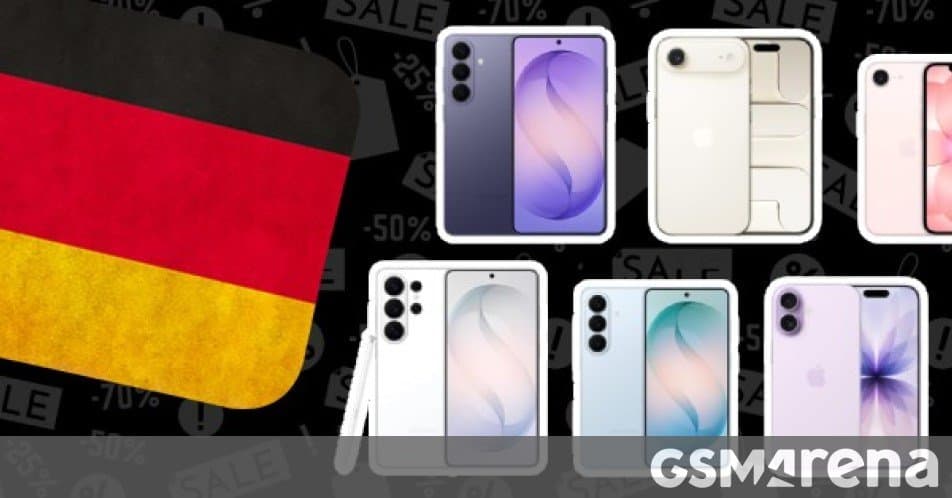
Samsung’s flagship S26 series sees price cuts of €165‑€500 across storage tiers, while Apple trims €40‑€50 off the iPhone 17 and iPhone Air models. The markdown breaks down the new pricing, highlights key specs, and explains how the discounts affect ecosystem choices for Android and iOS users.
Weekly Deals: Samsung Galaxy S26 Trio Slashed by Up to €500, iPhone 17 Line Gets Fresh Discounts
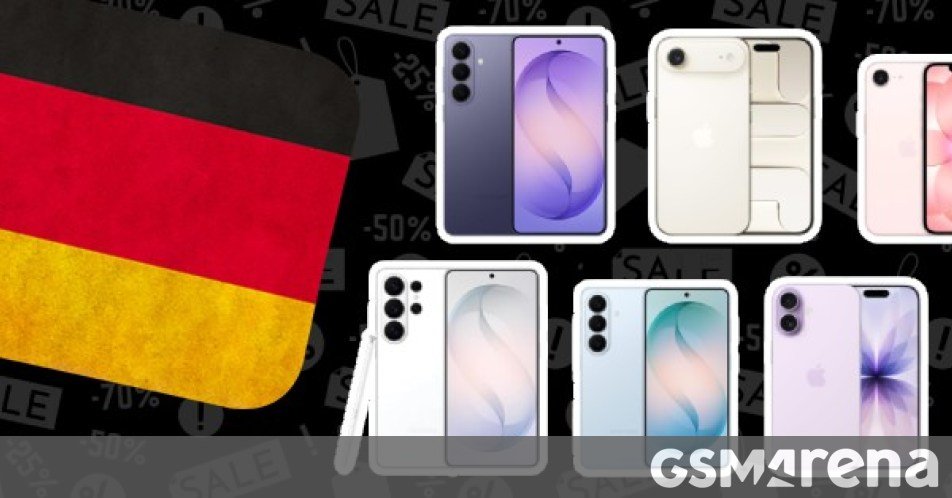
Samsung Galaxy S26 Series – New Price Tags
| Model | Storage | Original MSRP* | Discount | Final Price (Amazon DE) |
|---|---|---|---|---|
| Galaxy S26 | 256 GB | €1,000 | €165 off | €835 |
| 512 GB | €1,150 | €150 off + €105 voucher | €945 | |
| Galaxy S26+ | 256 GB | €1,250 | €370 off | €880 |
| 512 GB | €1,450 | €500 off + €36 voucher | €913 | |
| Galaxy S26 Ultra | 256 GB | €1,450 | €430 off | €1,020 |
| 512 GB | €1,650 | €150 off + €150 voucher | €1,345 |
*MSRP figures are based on Samsung’s European launch pricing.
Why the cuts matter
- Storage shift – The base S26 now ships with 256 GB as the standard configuration, eliminating the 128 GB option that many users found limiting. This aligns the device with the storage baseline of most recent Android flagships.
- Voucher strategy – Samsung pairs a straight discount with a voucher for the 512 GB variants. The voucher can be applied to accessories (e.g., Galaxy Buds 2 Pro, Galaxy Watch 6) or future software services, nudging buyers deeper into Samsung’s ecosystem.
- Pricing parity – The S26+ 512 GB now sits just under €1,000, a price point traditionally occupied by premium iPhone models. This could sway cost‑conscious power users who prefer Android’s customizability.
Apple iPhone 17 Line – Small but Noticeable Drops
| Model | Storage | Original Price* | Discount | Final Price (Amazon DE) |
|---|---|---|---|---|
| iPhone 17 | 256 GB | €900 | €50 off | €850 |
| 512 GB | €1,200 | €60 off | €1,140 | |
| iPhone 17 e (budget variant) | 256 GB | €700 | €50 off | €650 |
| 512 GB | €960 | €40 off | €920 | |
| iPhone Air (thin‑and‑light model) | 256 GB | €890 | €40 off | €850 |
| 512 GB | €970 | No change | €970 |
*Prices reflect Apple’s standard European retail rates.
What the iPhone cuts imply
- Ecosystem lock‑in – Even modest discounts keep the iPhone priced above most Android flagships, reinforcing Apple’s strategy of bundling hardware with services like iCloud, Apple TV+, and Apple Fitness. Buyers who already own a MacBook or an Apple Watch gain additional value from the seamless hand‑off features.
- Entry‑level option – The iPhone 17 e, now at €650, offers the same A19 chip and 8 GB RAM as the full‑size iPhone 17. For users who prioritize price over screen size, this creates a clear path into the iOS ecosystem without sacrificing performance.
- Thin‑and‑light niche – The iPhone Air’s price drop brings its 256 GB variant in line with the iPhone 17, giving consumers a choice between a larger 6.5‑inch display and a slimmer 6.3‑inch chassis at identical cost.
How the Discounts Shape the Mobile Ecosystem
- Android vs. iOS price competition – Samsung’s aggressive cuts, especially the sub‑€1,000 S26+ 512 GB, challenge Apple’s mid‑range pricing. Users who weigh raw specs (e.g., Snapdragon 8 Gen 3, 12 GB RAM) against ecosystem services may now tip toward Android if they value hardware flexibility.
- Accessory lock‑in – Samsung’s vouchers encourage accessory purchases that lock users into the Galaxy ecosystem (wireless earbuds, smartwatches, SmartThings devices). Apple’s ecosystem relies less on vouchers and more on service subscriptions, but the iPhone 17 e’s low entry price could seed new iOS users who later adopt AirPods or an Apple Watch.
- Future‑proofing – Both manufacturers keep 5G, Wi‑Fi 7, and high‑refresh displays as standard. The price reductions make these future‑ready specs more accessible, potentially extending the average handset replacement cycle.
Quick Comparison Snapshot
- Display: S26+ (6.8" 120 Hz) vs. iPhone 17 (6.3" 120 Hz) – Samsung offers a larger screen at a lower price.
- Processor: Snapdragon 8 Gen 3 (S26) vs. Apple A19 (iPhone 17) – Both are flagship‑class; performance differences are workload‑specific.
- Camera: S26 Ultra (200 MP main) vs. iPhone 17 Pro Max (48 MP) – Samsung pushes higher megapixel counts, while Apple focuses on sensor size and computational photography.
- Battery: S26 series ~5,000 mAh vs. iPhone 17 ~3,300 mAh – Samsung’s larger cells translate to longer screen‑on time, though Apple’s efficiency gains keep real‑world endurance competitive.
Bottom Line
The latest weekly deals make Samsung’s S26 lineup a compelling alternative for users who want flagship specs without the premium price tag, while Apple’s modest discounts keep the iPhone 17 family attractive for existing iOS fans and newcomers looking for a reliable entry point. Whether you’re leaning toward Android’s hardware flexibility or iOS’s integrated services, the current pricing gives both ecosystems a fresh boost.
Comments
Please log in or register to join the discussion