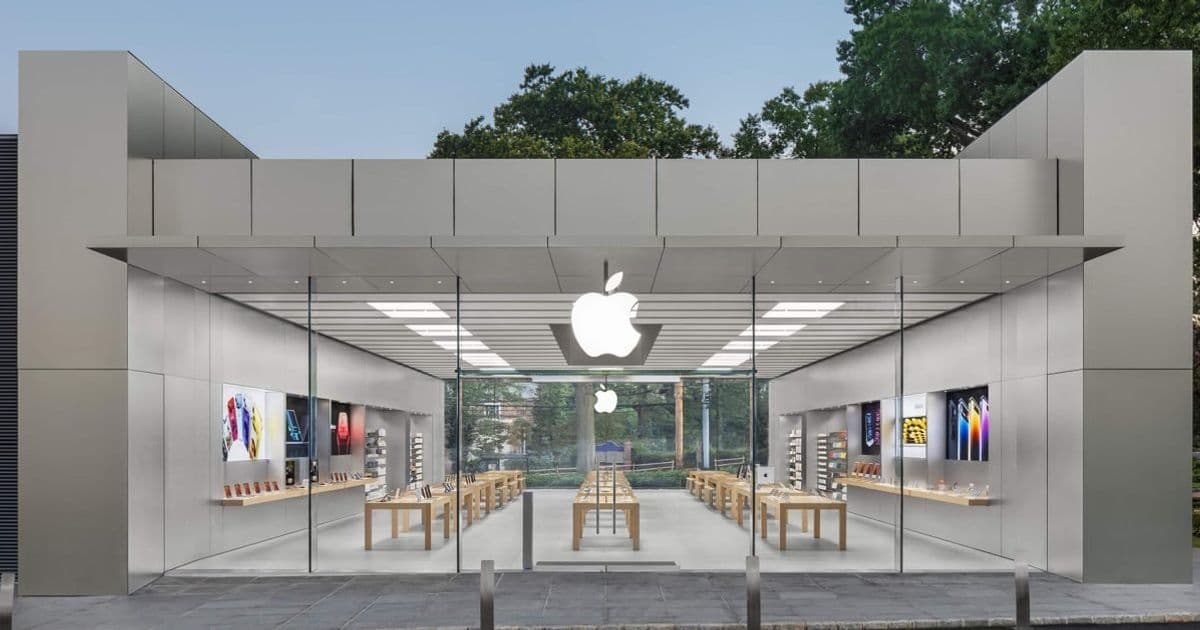
Federal prosecutors have charged three men with hijacking a delivery truck outside the Apple Store in Manhasset, New York, stealing over $1 million in Apple products. The case highlights the vulnerabilities in supply‑chain logistics for premium tech brands and raises questions about how ecosystem lock‑in can affect both thieves and victims.
Armed Hijacking of Apple Delivery Truck Leads to $1.2 Million Theft and Federal Indictments
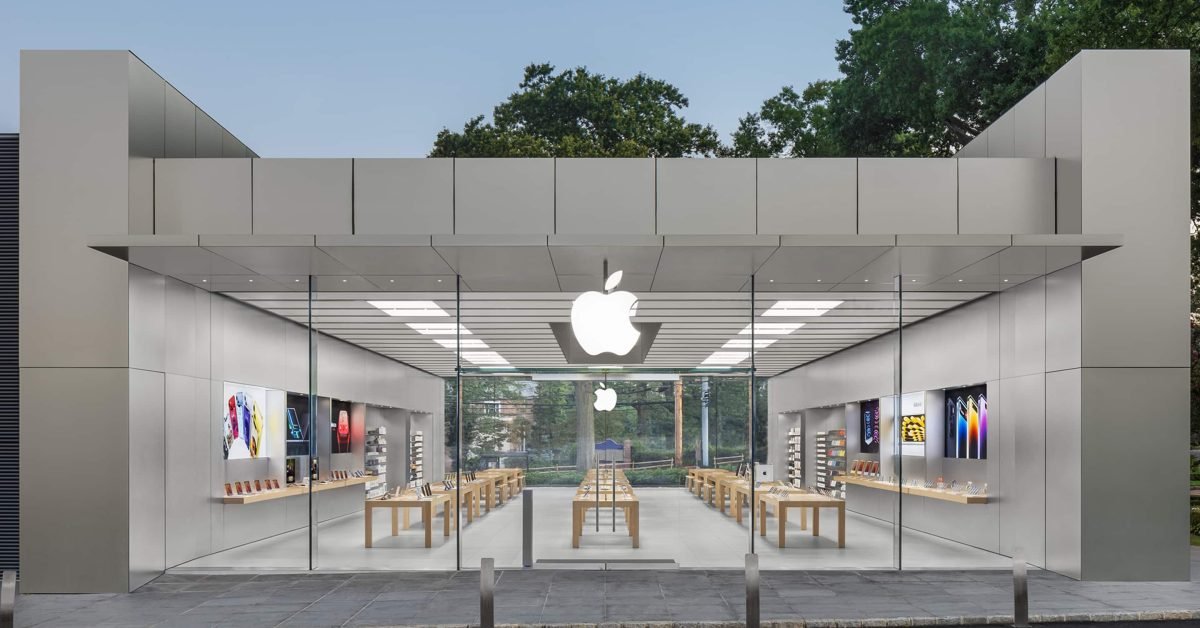
On January 3, 2026, a delivery truck parked outside the Apple Store at the Americana Manhasset mall was seized by three armed men. The thieves walked away with more than $1.2 million worth of MacBooks, iPhones, iPads, Apple Watches and accessories. Federal prosecutors in the Eastern District of New York have now indicted Alan Christhofer Cedeno‑Ferrer, Michael Mejia‑Nunez and Ennait Alexis Sirett‑Padilla on charges that could carry up to 30 years of imprisonment each.
How the Heist Unfolded
- 8:00 a.m. – Two Apple logistics workers were loading the truck for the morning delivery.
- Armed approach – The three suspects arrived with handguns, forced one worker into the cargo area and zip‑tied his hands. The second worker was compelled to drive the truck to a secluded spot on Northern Boulevard.
- Truck swap – Cedeno‑Ferrer had rented a Home Depot box truck using a falsified Pennsylvania driver’s license. The box truck backed up to the Apple delivery truck, aligning the cargo bays.
- Transfer of goods – The thieves moved the entire inventory into the Home Depot truck, closed the cargo doors with the two victims still inside, and drove away.
- Escape route – The stolen merchandise was taken to a self‑storage unit in Paterson, New Jersey, where Sirett‑Padilla had rented space under his own name. From there the goods were shifted to a U‑Haul and a second vehicle belonging to an unnamed accomplice.
- Discovery – One victim managed to free himself, call 911, and law enforcement recovered the abandoned Home Depot truck in the Bronx two days later. Fingerprints on the rental agreement linked Cedeno‑Ferrer to the crime, and surveillance showed him activating two stolen Apple Watches shortly after the robbery.
Why This Matters for Apple’s Ecosystem
Apple’s product line is built around a tightly integrated ecosystem: devices share a common iOS/macOS platform, accessories use the proprietary Lightning or newer USB‑C connectors, and services such as iCloud, Apple Pay and the App Store lock users into a seamless experience. When a large cache of devices is stolen, the impact ripples through several layers:
- Resale and grey‑market pressure – Stolen iPhones and MacBooks often surface on secondary markets, undercutting authorized channels and exposing buyers to devices that may be tampered with or have disabled activation locks.
- Activation‑lock bypass attempts – Criminals frequently try to reset the devices’ activation lock, a security feature that ties a device to an Apple ID. Successful bypasses can lead to a surge in counterfeit warranty claims and increased support load for Apple.
- Supply‑chain scrutiny – The incident underscores the need for tighter controls on last‑mile delivery. Apple already uses encrypted GPS tracking and tamper‑evident seals on high‑value shipments; this case may push the company to adopt real‑time biometric verification for drivers and more robust background checks on third‑party logistics partners.
- Insurance and liability – Enterprises that stock large volumes of Apple gear must reassess their insurance policies. The $1.2 million loss illustrates how a single breach can affect inventory valuation and financial reporting.
Legal Outcomes and Potential Precedents
The indictment lists several federal offenses, including armed robbery, use of a firearm in a violent crime, and possession of stolen property. If convicted, each defendant faces a maximum sentence of 30 years. The case also brings attention to the use of falsified identification in vehicle rentals, a tactic that could prompt stricter verification standards across the rental industry.
What Apple Users Can Do
Even though most consumers are far removed from a wholesale theft, the incident offers practical takeaways:
- Enable Activation Lock on every iPhone, iPad and Mac. This feature requires the original Apple ID password before anyone can erase or reactivate the device.
- Register devices with Find My – The service can report a device as lost, display its location, and remotely lock or erase data.
- Beware of unofficial resellers – If a deal seems too good to be true, verify the seller’s credentials and check the device’s serial number on Apple’s coverage check page.
- Consider AppleCare+ – The extended warranty includes theft and loss coverage for a modest annual fee, which can offset the cost of a stolen device.
Looking Ahead
Apple has not released an official comment beyond a standard statement that it cooperates with law‑enforcement investigations. The company’s supply‑chain teams are likely reviewing the incident to tighten security protocols for future shipments. For the broader tech industry, the hijacking serves as a reminder that high‑value consumer electronics remain attractive targets, and that robust logistical safeguards are essential to protect both brands and end users.
For more details on the federal indictment, see the U.S. Attorney’s Office press release here.
Comments
Please log in or register to join the discussion