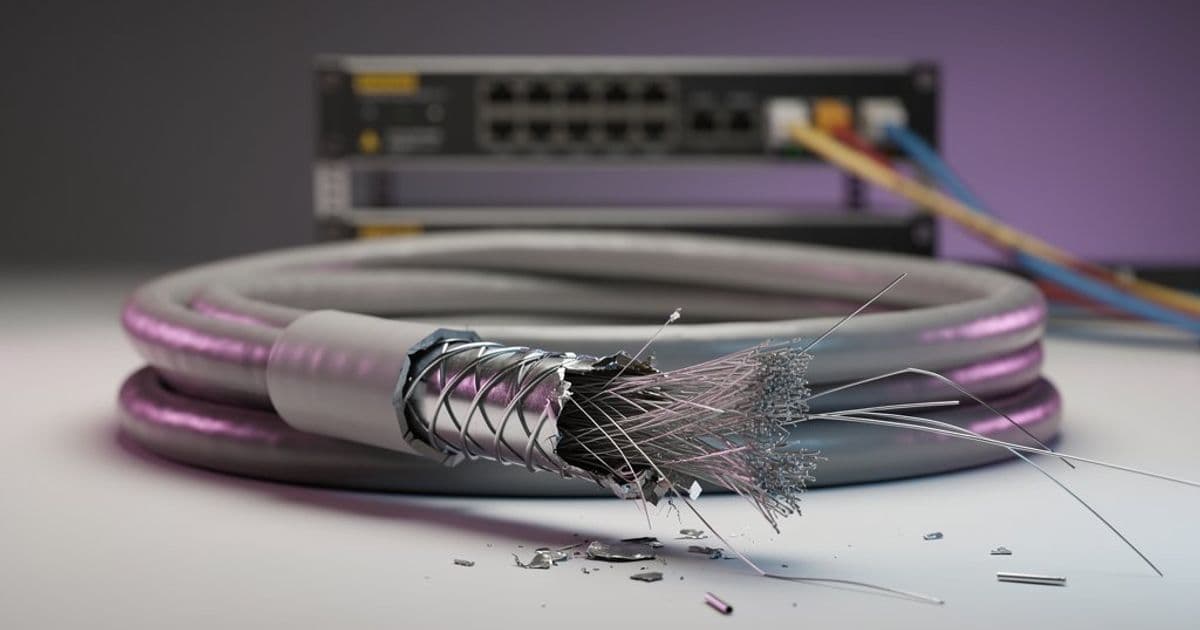
A homelab enthusiast discovers military-grade fiber optic cables disintegrated after years of storage, exposing critical flaws in permanent installation planning and cable management practices.
When attempting to retrieve a bicycle pump from his home server room, Alienchow encountered an unexpected disaster: the jacket of his supposedly durable fiber optic cables crumbled like cookie crumbs in his hands. This incident reveals significant limitations in how armored cables withstand long-term storage and movement, challenging common assumptions about "military-grade" networking components.
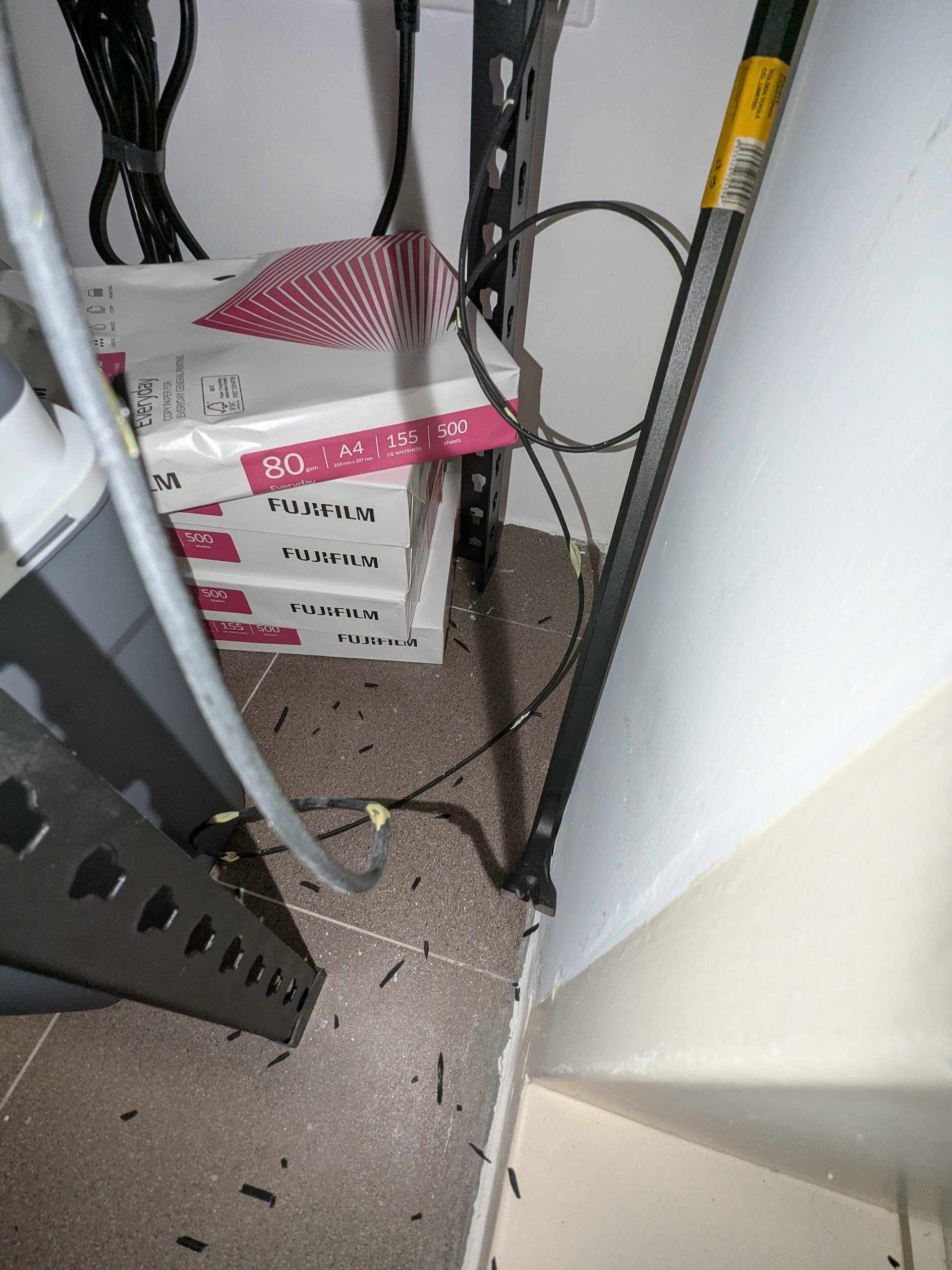
The cables in question were OM3 LC-LC armored fibers purchased from FS.com in 2022, specifically selected for their corrugated steel armor and Kevlar sheathing. Marketed as suitable for direct burial, Alienchow planned to embed them in PVC conduits beneath concrete flooring for permanent room-to-room connections. Instead of immediate installation, the cables remained coiled with a tight 5cm radius for three years, secured with hook-and-loop fasteners on laundry hooks in a humidity-controlled bomb shelter.
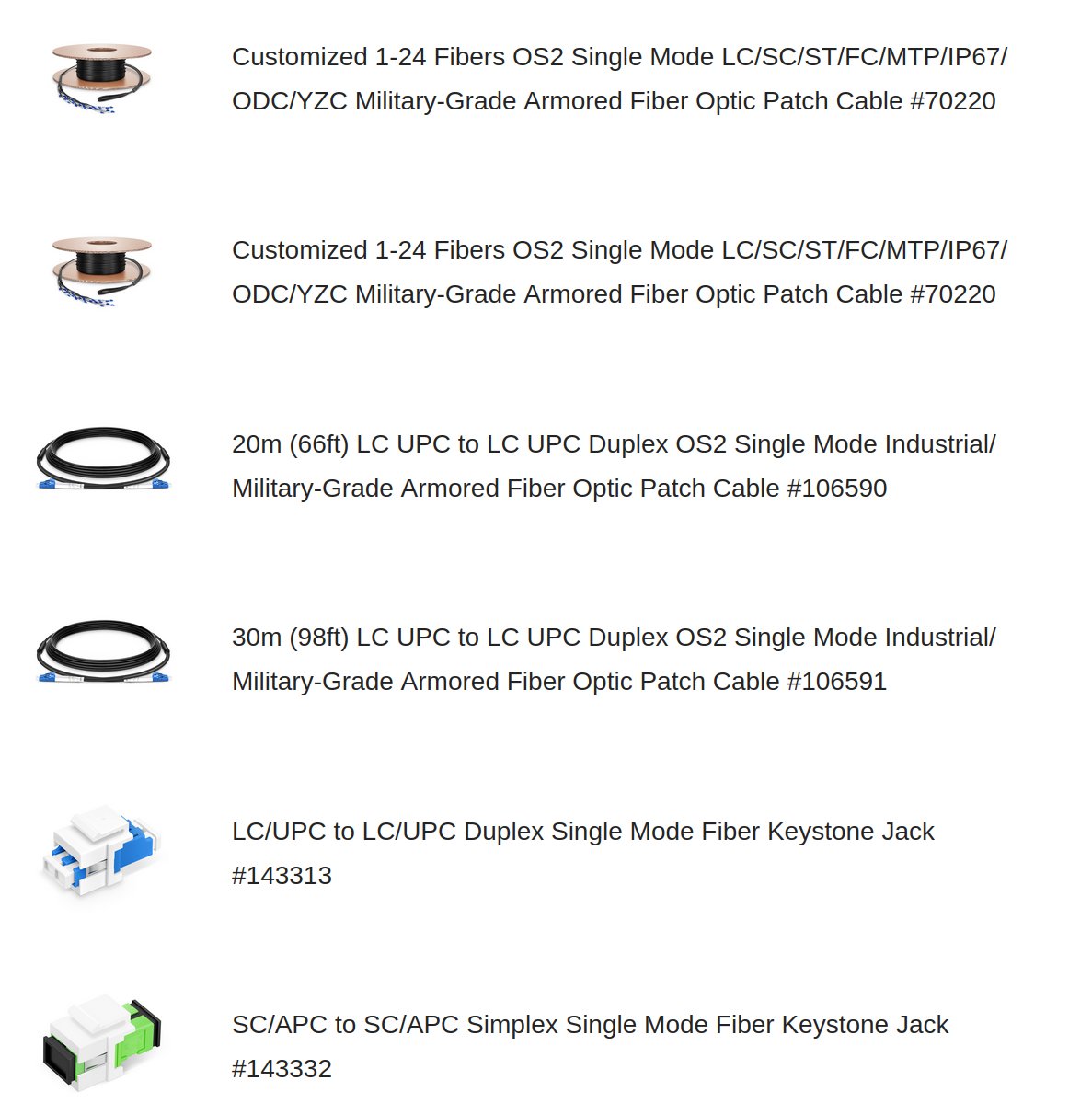
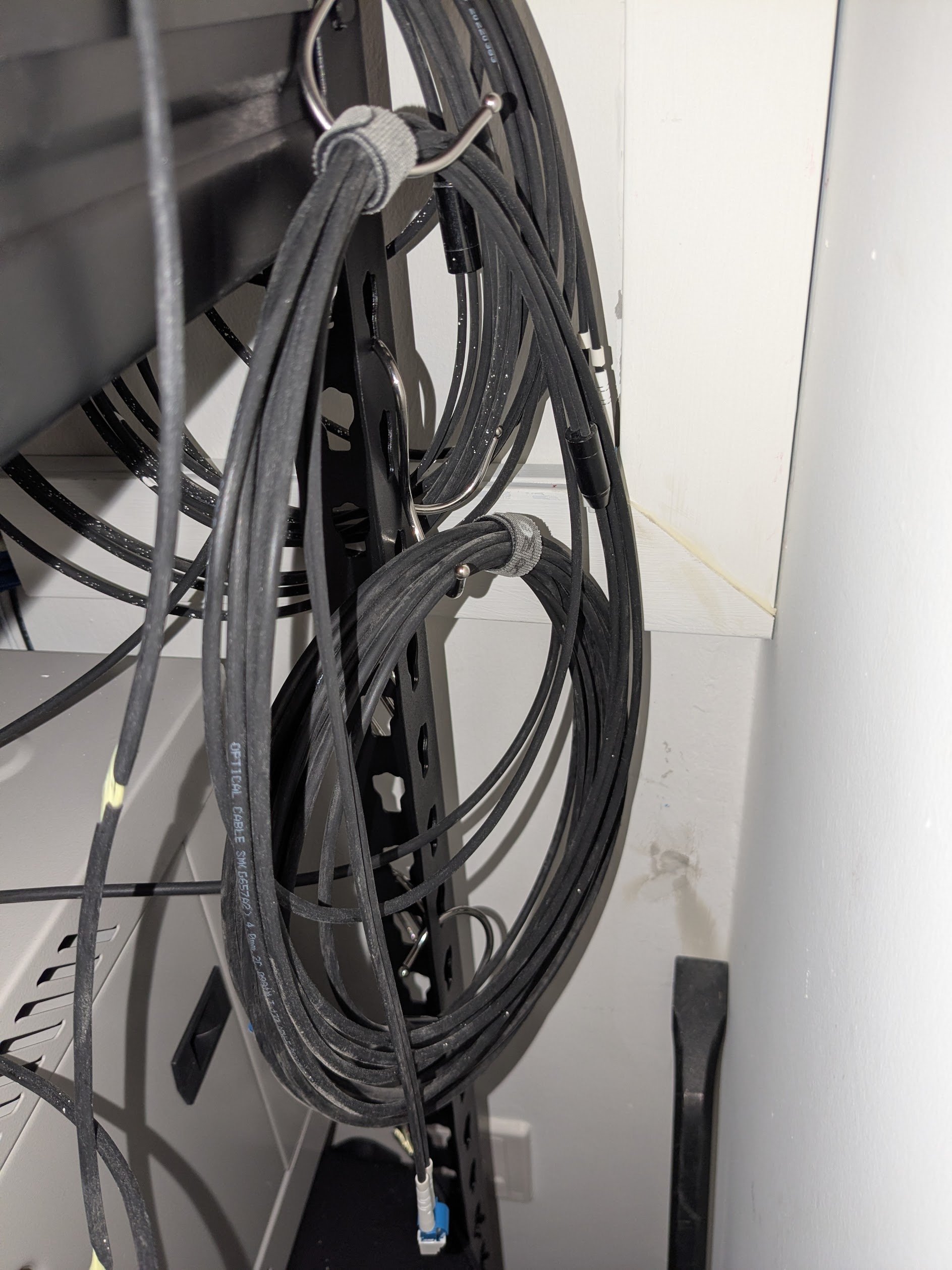
This storage method proved catastrophic. When Alienchow finally unspooled one cable to connect his Ubiquiti Dream Machine Pro to a home office MS-A2 server, the outer vinyl jacket exhibited severe polymer degradation. Manipulation during installation caused the armor's metal strands to burst through compromised sections, while the Kevlar layer separated into brittle white threads. Subsequent attempts at repair using 3M rubber tape and Temflex vinyl tape exacerbated the damage, creating sharp bends that likely fractured internal glass fibers.
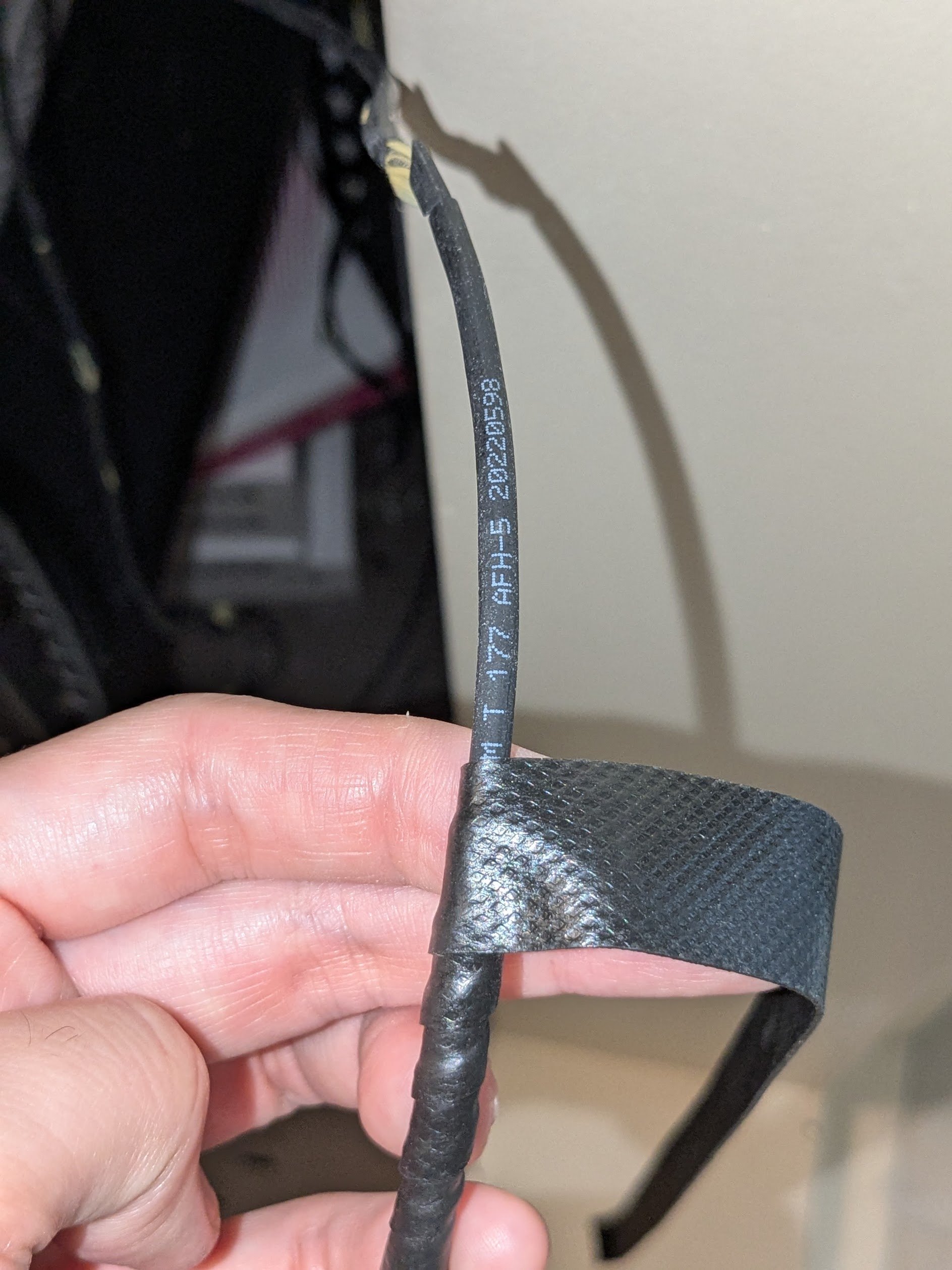
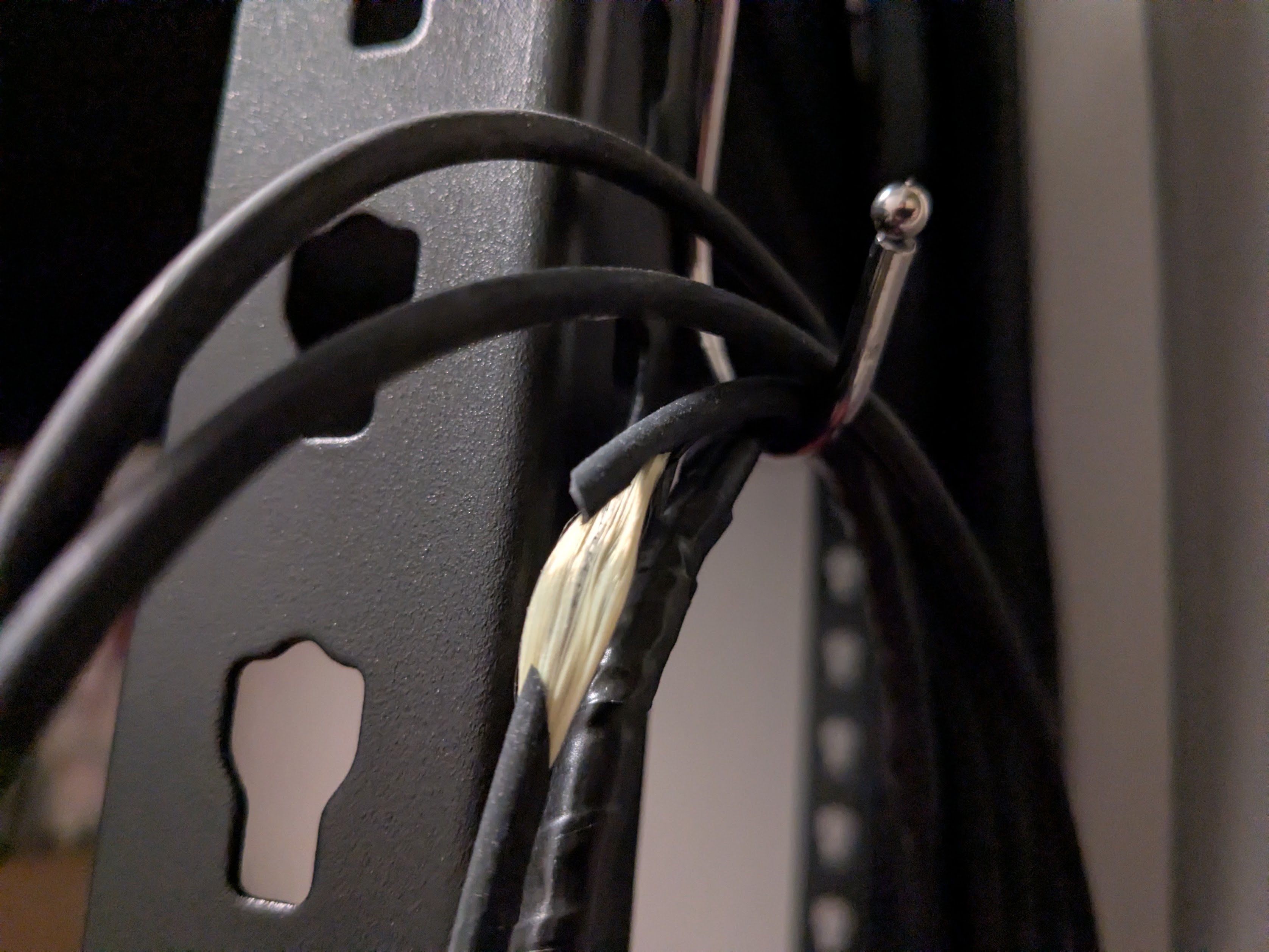
The failure highlights critical installation oversights:
- Static vs Dynamic Use: Armored cables are engineered for fixed positions, not repeated movement
- Storage Conditions: Tight coiling creates material stress points over time
- Redundancy Gaps: Buried cables lacked service loops or patch panels for maintenance
- Material Compatibility: Vinyl/PVC jackets may degrade differently than LSZH alternatives
Remarkably, the damaged cable still delivers 4Gbps speeds (versus the 10G plan), demonstrating fiber's core resilience. But with four additional cables showing early degradation signs, Alienchow faces potential rewiring of inaccessible conduit runs. The incident underscores why enterprise installations use termination panels: they isolate permanent infrastructure from replaceable patch cords. For homelab enthusiasts, this serves as a stark reminder that even "buried forever" solutions require accessible failure points and material compatibility checks. As Alienchow notes: "Datacenter technicians would mock my idiotic setup—and I'd join them."
Comments
Please log in or register to join the discussion