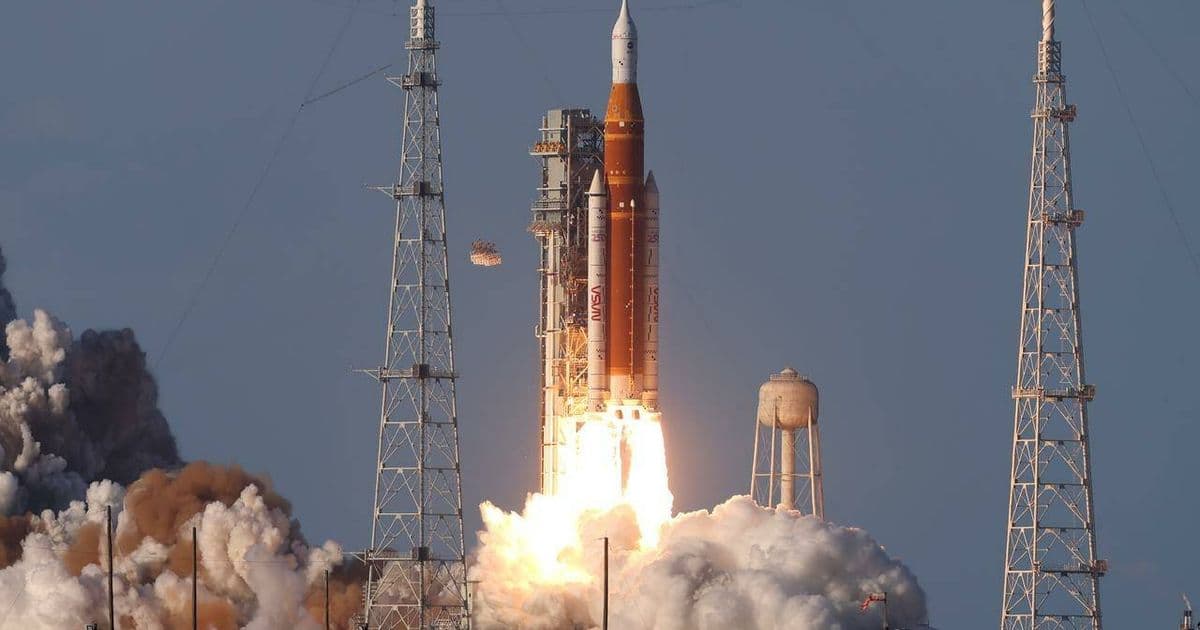
NASA's Artemis II mission successfully launched four astronauts on a lunar flyby, marking the first crewed Moon mission since Apollo 14, despite experiencing toilet malfunctions, telemetry issues, and flight termination system problems during launch.
NASA's Artemis II mission successfully launched four astronauts on a historic journey around the Moon yesterday, marking the first crewed lunar mission since Apollo 14 in 1971. The crew, consisting of NASA astronauts Reid Wiseman, Victor Glover, and Christina Koch, along with Canadian Space Agency astronaut Jeremy Hansen, blasted off aboard the Orion spacecraft named Integrity at 22:35:12 UTC on April 1, 2026.
Despite experiencing several technical challenges during launch and early orbit, the mission remains on track for a lunar flyby scheduled for April 6, with splashdown planned for April 11.
Launch Day Challenges
The countdown to launch was not without its difficulties. While the leaks that had plagued earlier wet dress rehearsals did not reappear, several last-minute glitches emerged. A problem with the Flight Termination System and a battery temperature warning on the Launch Abort System required attention in the final hours before liftoff.
In the closing minutes of the countdown, controllers reported a brief telemetry dropout, though the duration remained within allowable limits. These issues were resolved in time for the successful launch.
In-Flight Technical Issues
Once in orbit, the spacecraft continued to experience problems. Communication between ground control and the capsule was briefly lost, and the toilet aboard Orion malfunctioned, requiring crew intervention to resolve the issue.
"While a bathroom issue would have been very unlikely to halt the mission – backup plans exist for such an eventuality – troublesome toilets have long been a feature of human spaceflight," the article notes. Orion joins a long list of spacecraft, including the Space Shuttle and International Space Station, that have suffered similar breakdowns.
Mission Profile and Timeline
The Artemis II crew is currently orbiting Earth ahead of a critical burn intended to send the spacecraft on a free-return trajectory around the Moon. Unlike Apollo-era missions that performed the Trans-Lunar Injection burn soon after launch, controllers are taking additional time to ensure the Orion spacecraft checks out fully before proceeding.
The lunar flyby is scheduled for April 6, with splashdown planned for April 11. This ten-day mission will test critical systems and procedures ahead of future lunar landing missions.
Future Artemis Missions
Looking ahead, NASA administrator Jared Isaacman announced that Artemis III, which will test lunar landing technology, is targeted for 2027, with Artemis IV's lunar landing planned for 2028. However, these timelines depend heavily on third-party contractors, particularly SpaceX and Blue Origin.
SpaceX still has significant work to complete before its Starship-based lunar lander is ready for crewed missions. While Artemis II is headed to the Moon, a flight test of SpaceX's latest rocket has yet to take place.
Historical Significance
Despite the technical challenges, Artemis II represents a major achievement in space exploration. The prospect of humans looping around the Moon for the first time in more than half a century is historic. The mission demonstrates both the progress made since the Apollo era and the complexities involved in modern space exploration.
As controllers monitor the spacecraft on its voyage to the Moon and back, the focus remains on ensuring the crew's safe return. "It will be a long ten days for engineers monitoring the spacecraft," the article concludes, noting that "controllers will keep the Champagne on ice until the crew is safely back on Earth."
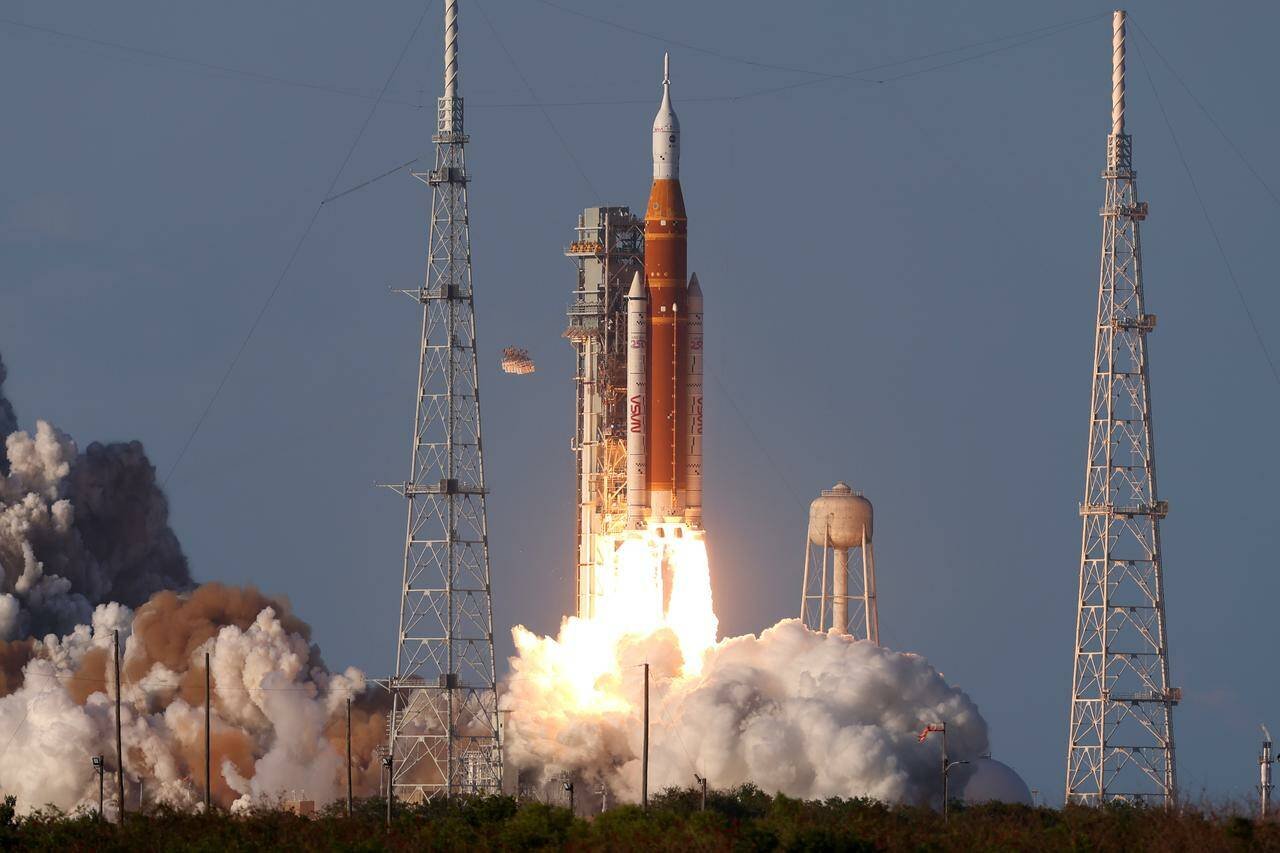
The successful launch of Artemis II signals NASA's continued commitment to lunar exploration and establishes a foundation for future missions that will eventually return humans to the lunar surface. Despite the technical hiccups, the mission's primary objective – demonstrating the capability to send humans around the Moon and back safely – remains achievable and represents a significant milestone in space exploration history.
Comments
Please log in or register to join the discussion