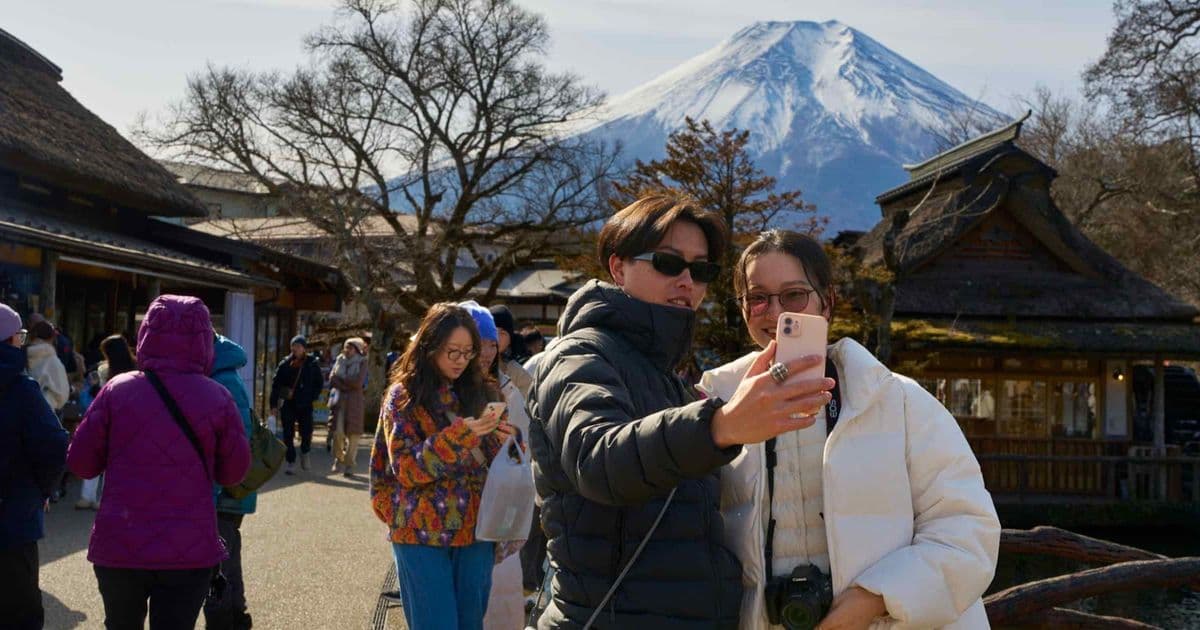
As billions across Asia celebrate Lunar New Year, geopolitical strains continue to impact tourism, trade, and regional relations, with Chinese visitor numbers to Japan dropping sharply amid diplomatic tensions.
As Asia welcomes the Lunar New Year, a season traditionally marked by family reunions and festive travel, underlying geopolitical tensions continue to cast a shadow over the region's celebrations. With billions of people across China and beyond taking a well-deserved break, the holiday period reveals both the enduring cultural connections and the persistent political frictions that define modern Asia.
Tourism Impact: Chinese Visitors to Japan Decline Sharply
The most visible manifestation of these tensions appears in the tourism sector, where Chinese travelers—historically a cornerstone of Japan's inbound tourism—are noticeably absent this year. Following Japanese Prime Minister Sanae Takaichi's comments on Taiwan last November, the number of Chinese visitors to Japan in December almost halved compared to the previous year.
This decline comes despite Chinese citizens expected to make 9.5 billion cross-regional trips during this Lunar New Year season, representing a 5% increase from 2025 and marking a new all-time high according to government forecasts. The shift in travel patterns suggests that geopolitics continues to significantly influence China's massive outbound travel demand.
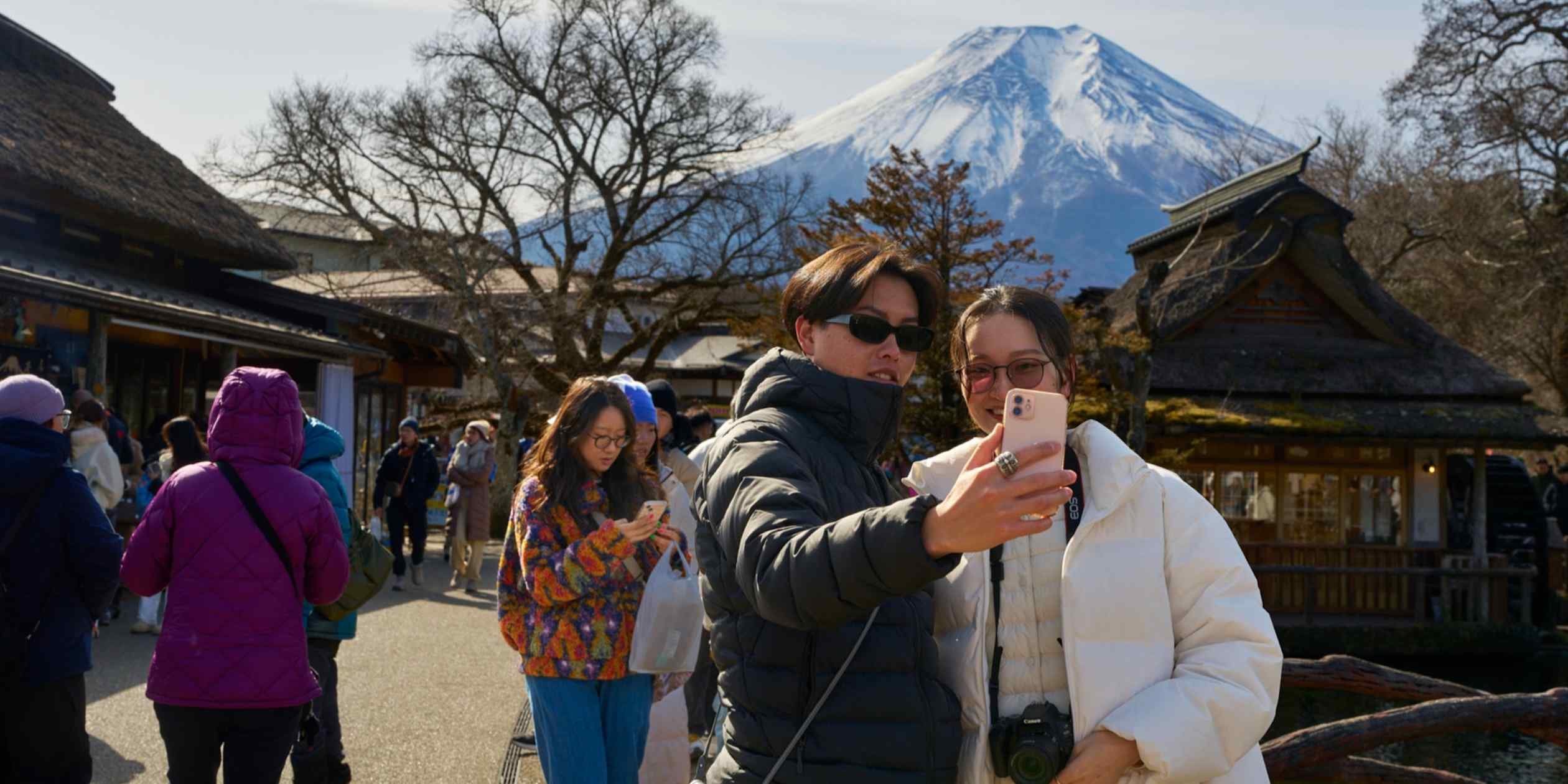
At popular destinations like Oshino Hakkai in Yamanashi prefecture, known for its spectacular views of Mount Fuji, tour groups from China have fallen sharply. This absence is already having ripple effects throughout Japan's retail sector, with department stores and duty-free shops facing tougher outlooks as they lose customers from the world's second-largest economy.
However, the impact isn't uniform across all markets. While Chinese visitor numbers have declined, arrivals from Hong Kong remain solid, and visitors from Southeast Asia and other regions have shown strength. This diversification of tourist sources may help cushion the economic blow, though it cannot fully replace the spending power of Chinese travelers.
Shifting Travel Patterns: Vietnam Emerges as Alternative
The analysis suggests that Vietnam is gaining popularity among Chinese travelers as an alternative destination, rather than traditional choices like Japan or Thailand. This shift reflects not only political considerations but also changing preferences and perhaps more competitive pricing in emerging Southeast Asian destinations.
For Japanese businesses that have built their models around Chinese tourism, this represents a significant challenge requiring adaptation. The decline in Chinese group tours, which were once a reliable source of revenue for many tourist spots, forces a reevaluation of marketing strategies and service offerings.
Winter Olympics and Sports Diplomacy
Meanwhile, the Milan Cortina Winter Olympics have kicked off, providing another lens through which to view Asia's evolving dynamics. Asian athletes have already secured several medals, with Chinese competitors performing particularly impressively. The prominence of Chinese athletes on the global stage serves as a reminder of the country's growing soft power and international influence, even as political tensions simmer.
In Japan, heavy snowfall since the beginning of the year means ski resorts are in excellent condition, ready to welcome visitors from both near and far. This natural advantage could help offset some of the tourism losses from China, though it may not fully compensate for the broader economic impact.
Broader Regional Implications
The tensions between Japan and China are just one example of the complex web of relationships across Asia. From currency fluctuations in Southeast Asian markets to technology supply chain realignments, geopolitical considerations are reshaping the region's economic landscape.
In Thailand, the recent election victory by the Bhumjaithai Party, while suggesting potential political stabilization after years of rapid leadership turnover, still faces challenges that could hinder consolidation of power. The country's political uncertainty has implications for regional tourism and investment patterns.
Looking Forward: Hope for Easing Tensions
As the editor of Nikkei Asia reflects from Tokyo, there is hope that political tensions—not only between Japan and China but across Asia—will ease soon, allowing people from every country to travel freely to the places they most want to visit. The Lunar New Year, with its emphasis on renewal and fresh beginnings, offers a symbolic moment for such aspirations.
The coming months will test whether the current strains represent a temporary adjustment or a more fundamental shift in Asia's regional dynamics. For businesses, policymakers, and ordinary citizens alike, the ability to navigate these tensions while preserving the cultural and economic ties that bind the region together will be crucial.
The Lunar New Year celebrations continue across Asia, but the festivities now unfold against a backdrop of uncertainty and change. How the region manages these challenges in the year ahead may well determine the trajectory of Asia's economic and political development for years to come.
Comments
Please log in or register to join the discussion