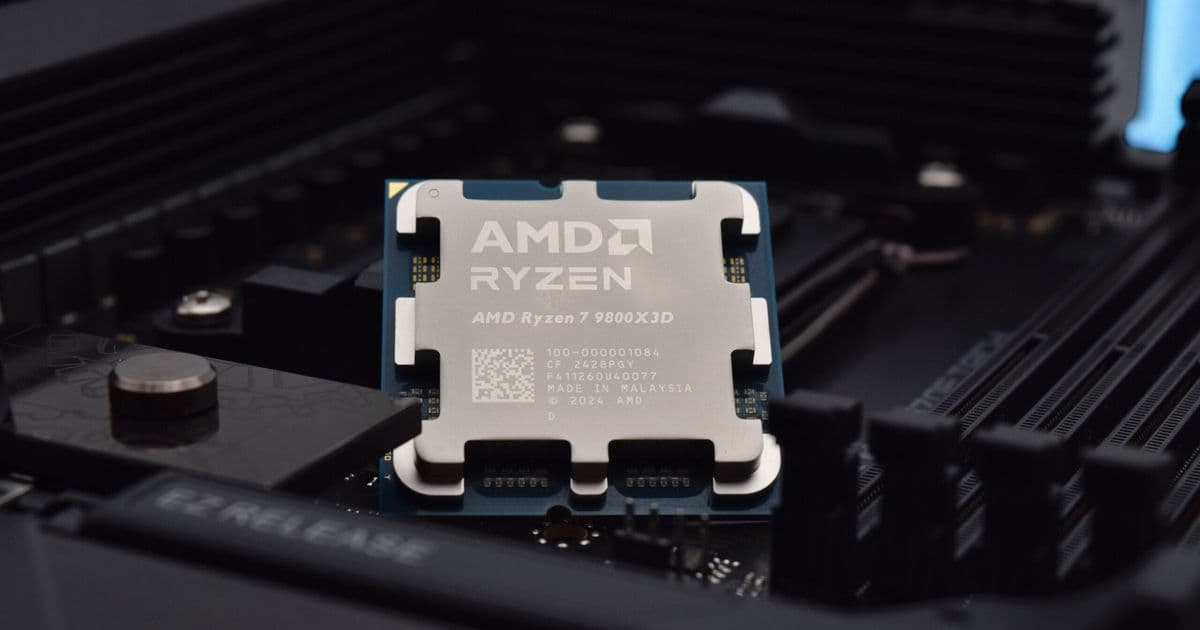
Following weeks of user complaints about visible scorch marks and CPU failures, ASRock has issued an official response regarding Ryzen 9000 series compatibility issues, pledging collaboration with AMD to investigate motherboard failures.
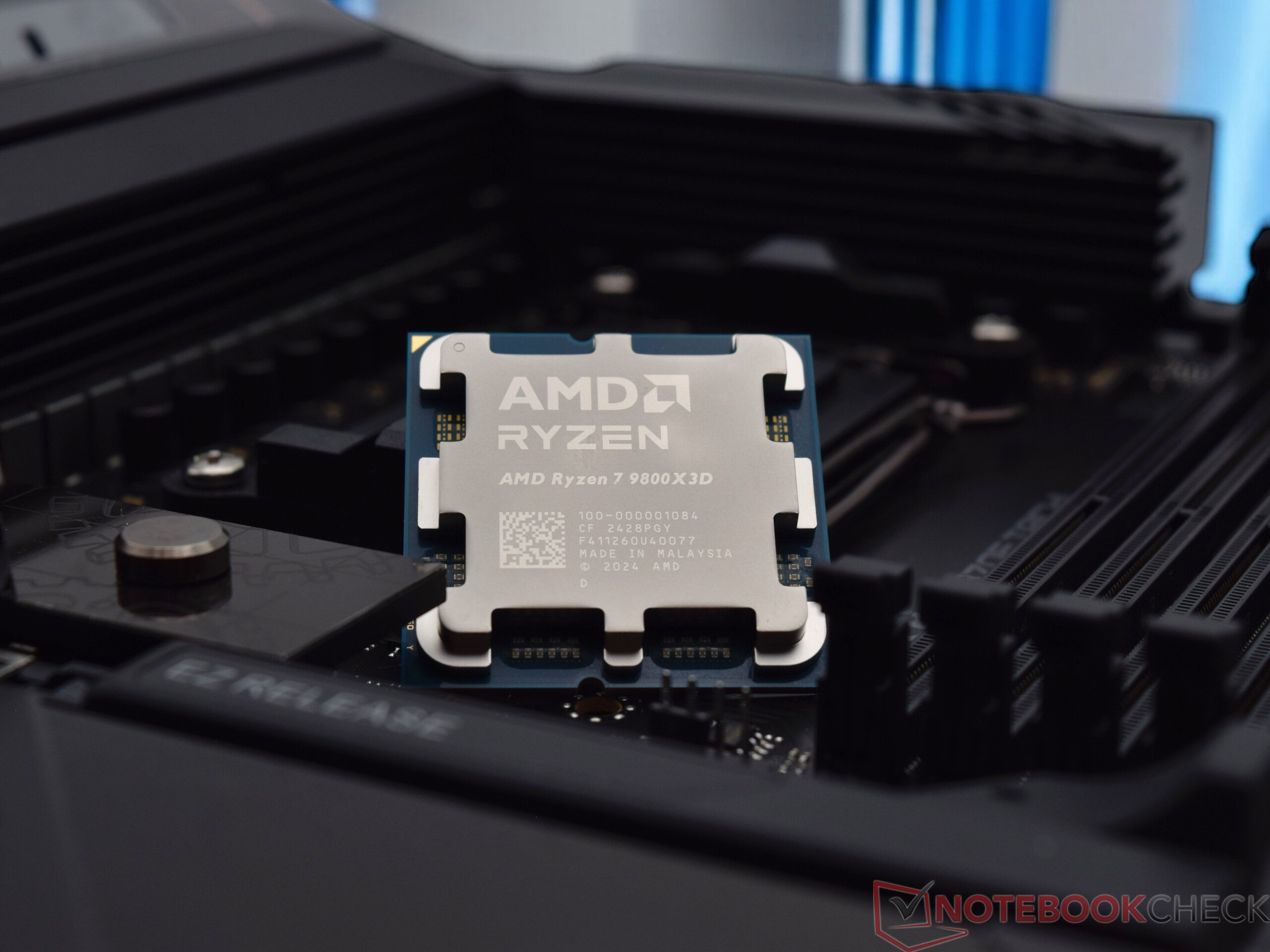
After two weeks of mounting user reports and forum discussions, ASRock has formally addressed growing concerns about AMD Ryzen 9000 series processors sustaining physical damage on their motherboards. The company's response comes shortly after ASUS acknowledged similar issues with AM5 socket failures, though ASRock's situation presents distinct technical challenges despite previous BIOS updates meant to resolve overheating problems.
The core issue involves Ryzen 9000 CPUs – including higher-end X3D models – exhibiting extreme thermal behavior under certain conditions. Multiple users across hardware forums have documented visible scorch marks on both the CPU substrate and motherboard socket contacts, indicating localized overheating severe enough to cause permanent physical damage. This contradicts Puget Systems' recent reliability report highlighting Ryzen 9000 chips as having exceptionally low failure rates overall, suggesting a platform-specific problem rather than inherent CPU flaws.
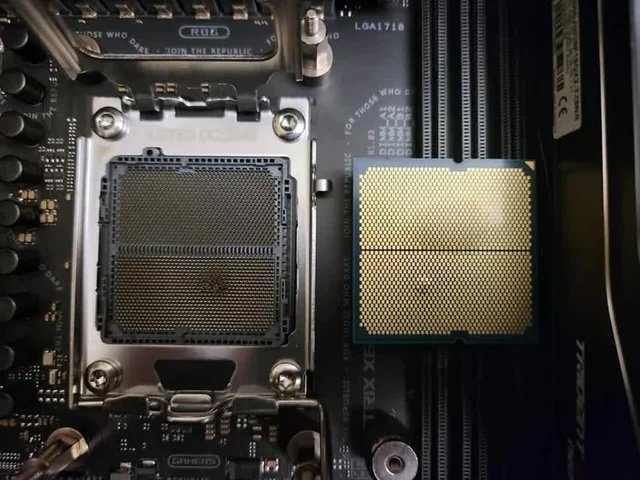
ASRock initially attributed these failures to "faulty settings" and rolled out BIOS updates to address voltage regulation. However, users continued reporting identical thermal damage post-update, with VideoCardz documenting over 260 specific cases of Ryzen 9000 series failures on ASRock boards. While statistically small compared to total installations, the recurring pattern of physical damage makes this a critical reliability concern for high-end configurations.
In its official statement, ASRock confirmed it's conducting "comprehensive internal reviews and rigorous verification processes" in coordination with AMD. The company emphasized optimizing BIOS firmware and enhancing system stability but stopped short of identifying specific technical causes. Unlike typical PR responses, ASRock actively directed affected customers to contact their technical support department, signaling recognition of the problem's severity.
Technical analysis suggests several potential factors:
- Voltage regulation inconsistencies: Fluctuations in SOC voltage delivery to CPU components
- Socket contact point imperfections: Microscopic variances creating electrical resistance hotspots
- Thermal throttling failures: Inadequate response to sudden current spikes during boost behavior
- Firmware-controlled power limits: Conflicts between motherboard and CPU power management protocols
For current ASRock AM5 motherboard owners using Ryzen 9000 CPUs:
- Immediately monitor SOC voltages using HWiNFO64 or Ryzen Master
- Validate BIOS is updated to latest stable version (non-beta)
- Check CPU socket and underside for visible discoloration
- Report any instability or physical damage directly to ASRock support
- Consider temporary power limit adjustments until resolution
ASRock's public engagement represents necessary progress, but without root cause analysis or revised hardware guidance, users remain dependent on warranty support. The company's collaboration with AMD suggests potential microcode or firmware solutions may emerge, but physical damage incidents warrant close monitoring for those running high-end Ryzen 9000 builds on ASRock platforms.
Official ASRock statement: ASRock Support Page Failure documentation: VideoCardz Report
Comments
Please log in or register to join the discussion