
Nepal police arrested six operators from three helicopter rescue companies for allegedly staging fake medical evacuations of foreign trekkers to defraud insurers of $20 million, jeopardizing a crucial tourism revenue stream.
Nepal's Helicopter Rescue Fraud: A $20 Million Threat to Tourism Economics
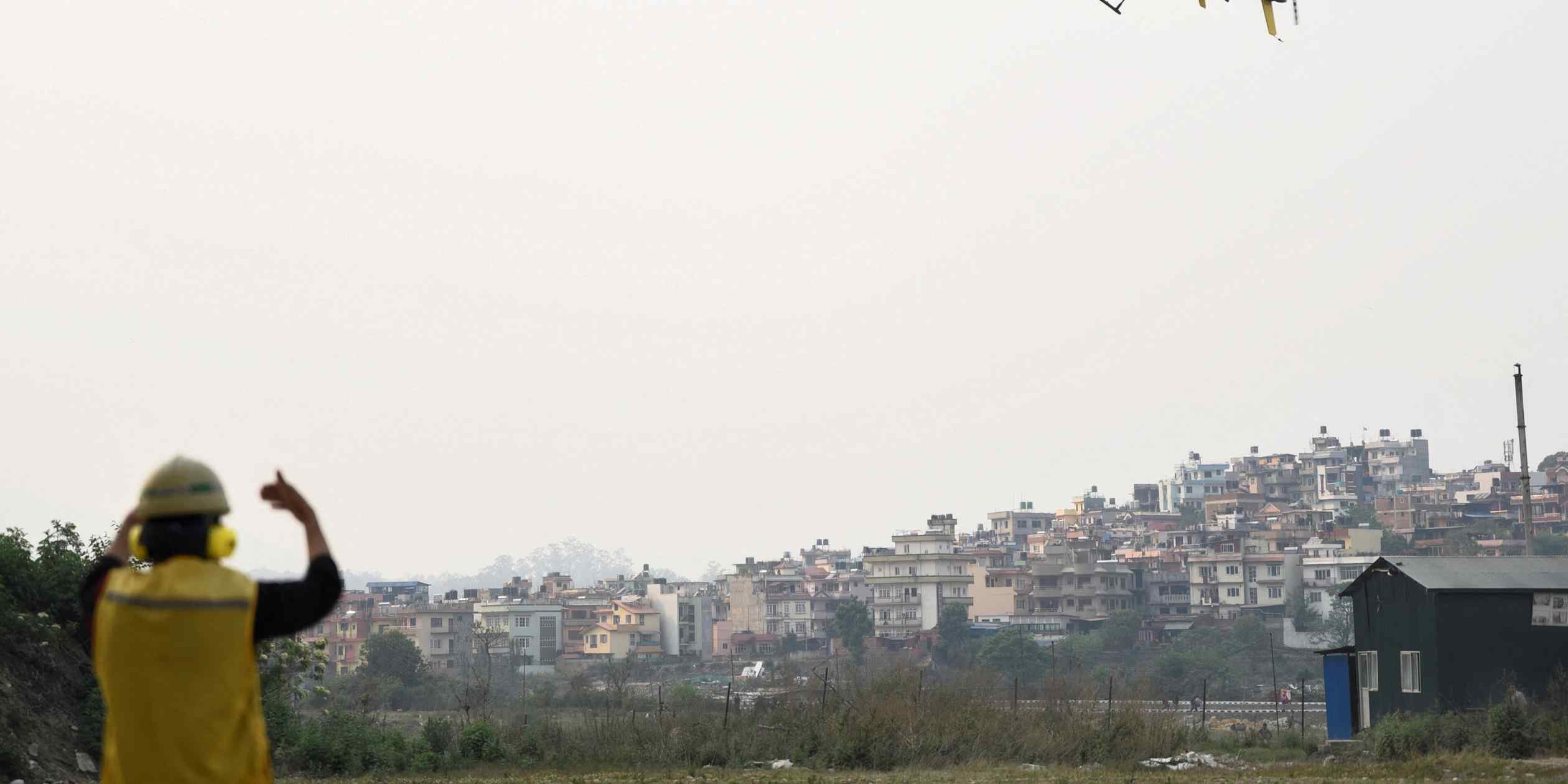
Nepal Police arrested six operators from three helicopter rescue companies last week over allegations of systematically defrauding international travel insurers through staged medical evacuations. The scheme, which siphoned approximately $20 million from insurers according to preliminary investigations, exploited Nepal's mountainous terrain where helicopter rescues are frequent necessities for trekkers. This case strikes at the heart of Nepal's tourism economy—a sector that generated $726 million in 2023 and contributes 6.7% to national GDP.
Market Context: Tourism's Financial Significance
Nepal's tourism industry relies heavily on adventure travelers, with over 179,000 trekkers visiting the Annapurna and Everest regions annually. Helicopter evacuations form an integral part of this ecosystem:
- Average rescue cost: $5,000-$25,000 per operation
- Annual rescue flights: Estimated 500+ in popular trekking zones
- Insurance coverage penetration: 92% among foreign trekkers
This infrastructure supports Nepal's third-largest foreign exchange source after remittances and agriculture. The helicopter rescue sector alone employs 800+ personnel and generates $40 million yearly revenue. However, lax oversight enabled fraudulent operators to fabricate emergencies, coordinate with complicit medical staff, and bill insurers for unnecessary flights.
Financial Impact and Sector Ramifications
The $20 million fraud represents both immediate and systemic risks:
Tourism Economics
- Potential 15-20% decline in trekker confidence could reduce annual tourism revenue by $100+ million
- Increased insurance premiums may price out budget travelers (currently 60% of visitors)
- Foreign exchange vulnerability: Tourism accounts for 24% of Nepal's non-remittance FX income
Insurance Market Shifts
- Major insurers (World Nomads, Allianz) already reviewing Nepal coverage terms
- Expected premium hikes of 30-50% for adventure policies covering Nepal
- New verification protocols adding $150-$300 per policy in administrative costs
Regulatory Response Nepal's Ministry of Tourism announced emergency measures:
- Mandatory GPS-logged flight paths for all rescue operations
- Third-party medical verification before insurer billing
- License revocation for companies involved in fraudulent claims
Industry analysts note similar schemes have emerged in Peru's Andes region and Swiss Alpine operations, suggesting a global pattern targeting adventure tourism insurance. For Nepal, where tourism employs 1 in 20 workers, restoring credibility requires transparent reform. The central bank warns sustained reputation damage could lower 2026 GDP projections by 0.8 percentage points.
Long-term solutions involve blockchain-based claim verification trials with major insurers and government-backed rescue certification programs. Without swift intervention, Nepal risks losing competitive advantage in the $150 billion global adventure tourism market.
Comments
Please log in or register to join the discussion