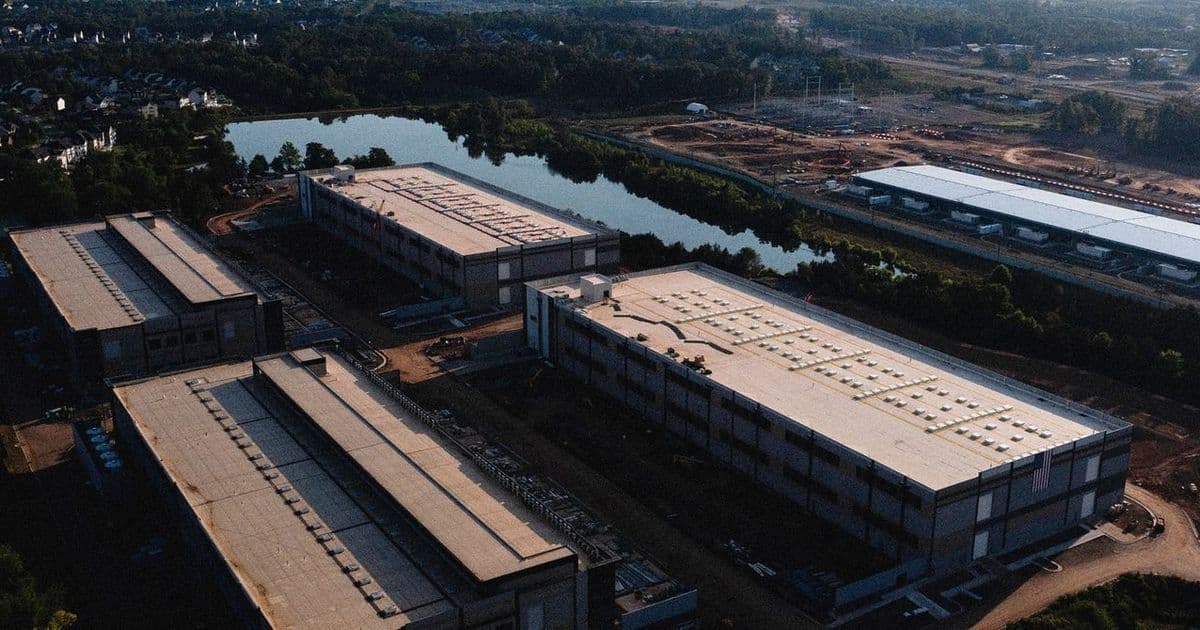
New York becomes the sixth U.S. state to propose halting new data center construction amid concerns about energy consumption and climate impact, signaling growing regulatory pressure on AI infrastructure expansion.
New York legislators have introduced a bill imposing a three-year moratorium on new data center development, joining at least five other states taking similar action to address the explosive growth of computing infrastructure powering artificial intelligence. The proposed legislation reflects intensifying tension between technological advancement and environmental sustainability as AI adoption accelerates.
Lawmakers cite multiple concerns driving the moratorium, including strain on regional power grids from facilities that can consume as much electricity as small cities. Data centers supporting AI workloads require significantly more energy than traditional computing infrastructure, with generative AI models demanding up to 33 times more power during inference than conventional cloud applications. The bill also references potential impacts on local water resources for cooling and contributions to greenhouse gas emissions.
This legislative trend spans both politically progressive and conservative states, indicating bipartisan concern. Recent proposals in Michigan, Oregon, Virginia, and others suggest a coordinated effort to reassess data center regulations nationwide. New York's move follows Bloomberg reports that Alphabet, Amazon, Meta, and Microsoft plan to spend approximately $650 billion on data center construction in 2026 alone—a 60% year-over-year increase.
The moratorium would pause approvals for facilities exceeding 25 megawatts, effectively blocking major hyperscale developments during the three-year study period. Legislators plan to use this time to develop new environmental standards for data centers, including potential requirements for on-site renewable energy generation and restrictions on fossil-fuel backup generators.
Industry analysts note the proposal arrives as AI infrastructure demands intensify. SambaNova Systems recently secured $350 million in Series E funding led by Vista Equity Partners, while Nvidia CEO Jensen Huang defended tech companies' massive infrastructure investments as "justified and sustainable" during the company's latest earnings call. The semiconductor industry reported $791.7 billion in 2025 sales, with advanced AI chips accounting for $301.9 billion of that total.
Energy researchers suggest the pause could accelerate innovation in sustainable computing. "This regulatory pressure might push companies toward novel cooling solutions like immersion systems or advanced heat recycling," notes Dr. Sarah Jones of the Uptime Institute. "We're already seeing promising developments in liquid-cooled server racks that reduce power consumption by 30-40% compared to air cooling."
New York's proposal includes provisions allowing exceptions for facilities demonstrating net-zero emissions or those supporting essential public services. The bill now moves to committee review amid speculation about potential compromises, such as tiered restrictions based on energy efficiency metrics or incentives for retrofitting existing industrial sites.
As the AI infrastructure race accelerates, these regulatory interventions highlight the complex balancing act between technological progress and environmental stewardship. The outcomes could reshape where and how next-generation computing gets built across America.
Comments
Please log in or register to join the discussion