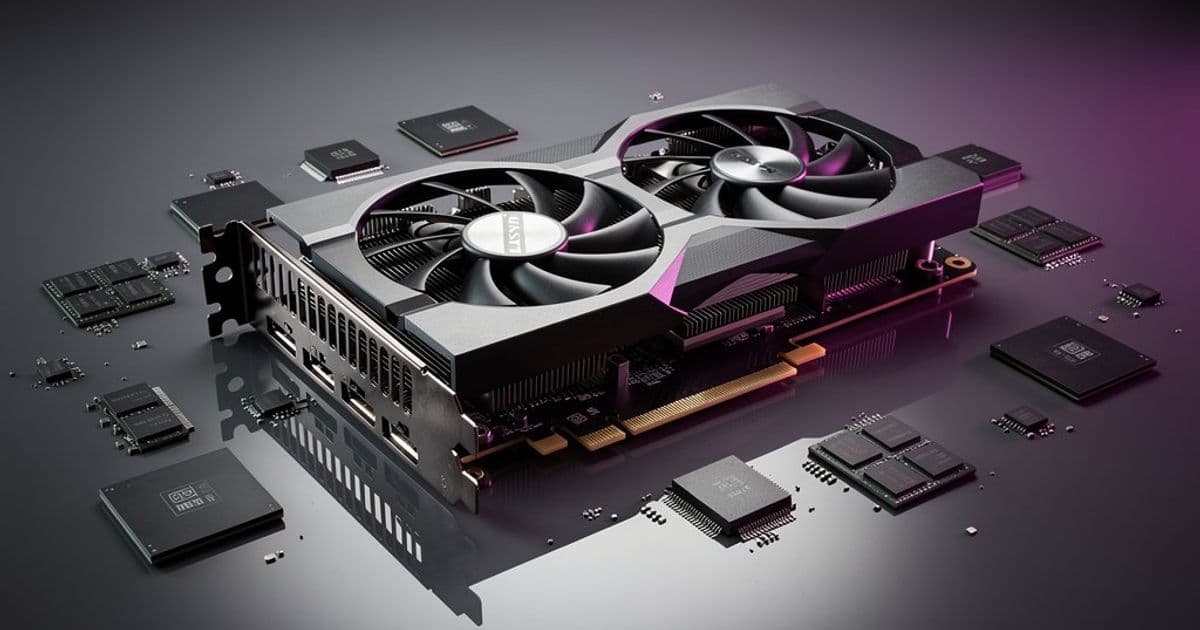
Asus has issued a surprise press release confirming it will continue selling Nvidia's RTX 5070 Ti and RTX 5060 Ti 16GB graphics cards, directly contradicting earlier reports of their discontinuation. The company attributes limited availability to memory supply constraints rather than a product halt, though the broader industry faces significant production challenges.
In a move that caught many in the hardware community off guard, Asus has released an official statement clarifying the status of two specific Nvidia GPU models. The company explicitly stated that the GeForce RTX 5070 Ti and GeForce RTX 5060 Ti 16GB have not been discontinued or designated as end-of-life. This announcement directly addresses rumors that had been circulating for weeks, suggesting these cards were being phased out due to the ongoing memory shortage affecting the entire semiconductor industry.
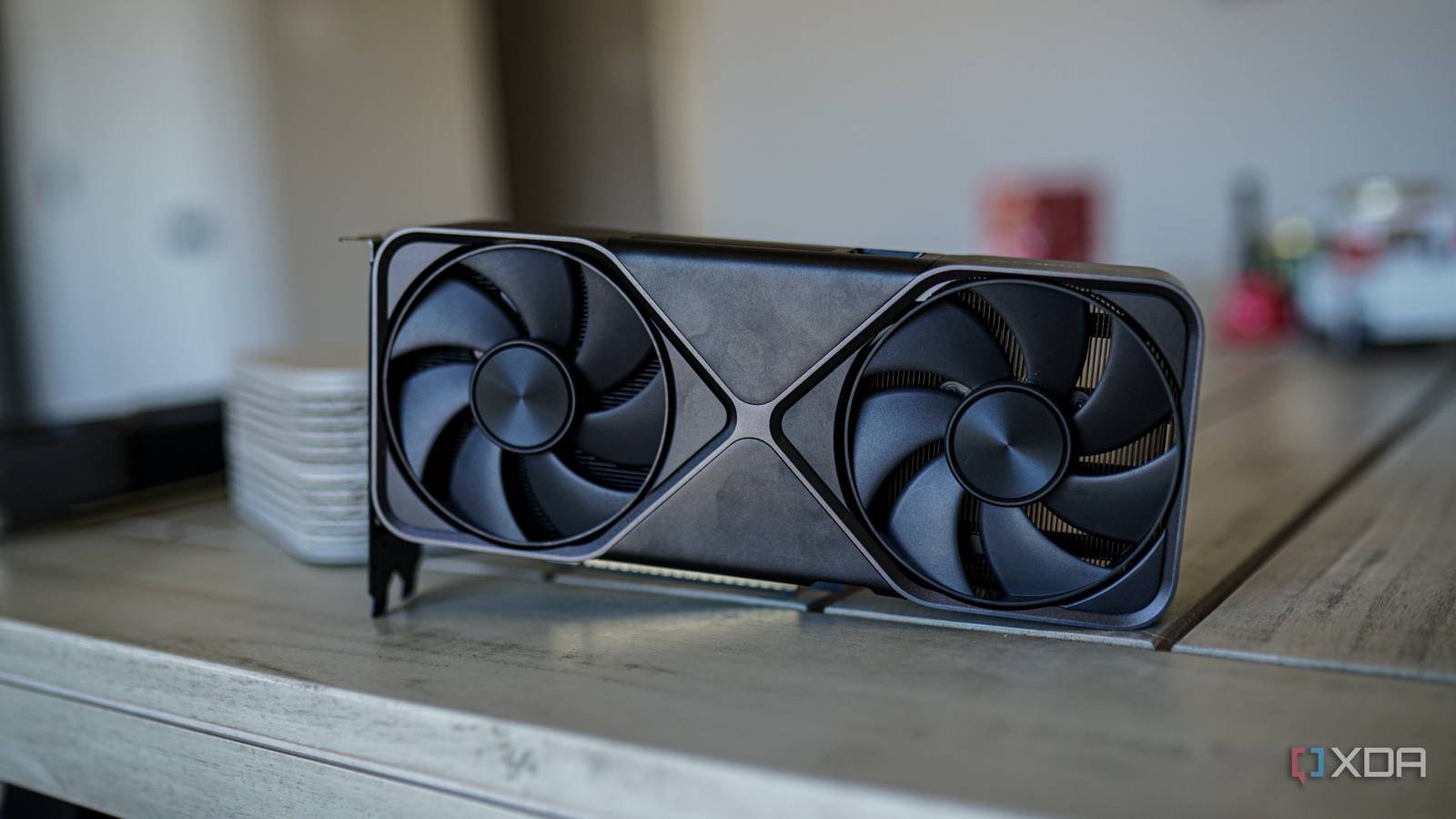
The statement from Asus reads in part: "We would like to clarify recent reports regarding the ASUS GeForce RTX 5070 Ti and RTX 5060 Ti 16 GB. Certain media may have received incomplete information from an ASUS PR representative regarding these products. The GeForce RTX 5070 Ti and GeForce RTX 5060 Ti 16 GB have not been discontinued or designated as end-of-life (EOL). ASUS has no plans to stop selling these models."
The Memory Shortage Context
To understand why these rumors gained traction, we need to look at the broader market conditions. For months, the price of DRAM has been increasing significantly. Major manufacturers like Samsung, SK Hynix, and Micron have been allocating most of their production capacity to AI data centers, where demand for memory is both intense and highly profitable. This shift has created a shortage for consumer-grade memory, which directly impacts GPU production since modern graphics cards require substantial amounts of VRAM.
The situation became more concrete in mid-December when reports emerged suggesting Nvidia planned to cut GPU production by 40% in 2026. The strategy reportedly involved focusing on more profitable products: professional-grade workstation cards and higher-end consumer GPUs like the RTX 5080. The same reports indicated Nvidia would pull back on less profitable models, specifically naming the RTX 5060 Ti 16GB and RTX 5070 Ti as potential candidates for discontinuation.
This context explains why Hardware Unboxed's recent reporting resonated so strongly with the community. They spoke to several Australian retailers who claimed they were unable to purchase either GPU from distribution partners, with expectations that this situation would persist throughout the first quarter of 2026. While the US market operates differently, the global nature of memory supply chains means similar constraints would likely affect availability worldwide.
Asus's Clarification and Production Reality
Asus's statement doesn't deny that there are supply issues. Instead, it reframes them: "Current fluctuations in supply for both products are primarily due to memory supply constraints, which have temporarily affected production output and restocking cycles. As a result, availability may appear limited in certain markets, but this should not be interpreted as a production halt or product retirement."
This distinction is crucial for consumers and retailers. A production slowdown due to component shortages is fundamentally different from a product being discontinued. The former means cards will eventually become available again once memory supplies stabilize, while the latter signals permanent unavailability.
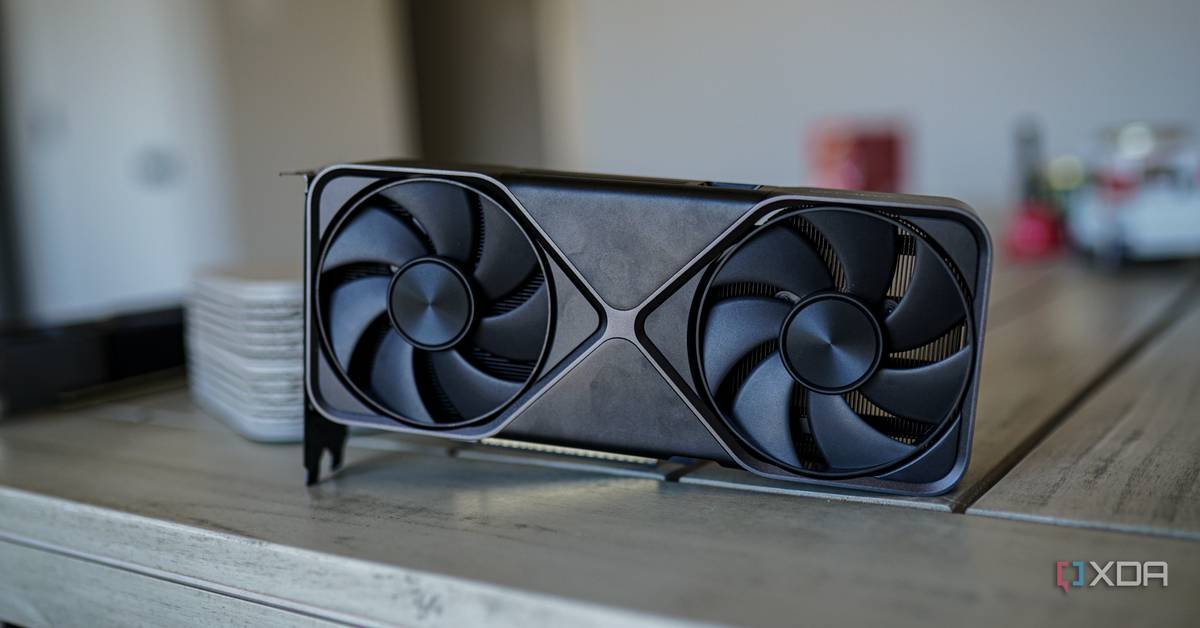
Nvidia's own statement to publications supports this interpretation: "Demand for GeForce RTX GPUs is strong, and memory supply is constrained. We continue to ship all GeForce SKUs and are working closely with our suppliers to maximize memory availability." This confirms that Nvidia hasn't stopped shipping these models entirely—rather, production volumes are being limited by memory availability.
What This Means for Consumers
For potential buyers, the practical implications are significant. While Asus confirms these cards aren't being discontinued, the reality is that availability will remain tight in the short term. The company's statement that "availability may appear limited in certain markets" is a diplomatic way of saying stock will be scarce for the foreseeable future.
If you're considering purchasing an RTX 5070 Ti or RTX 5060 Ti 16GB, the advice remains the same as when rumors of discontinuation were circulating: buy when you find one at a reasonable price. The difference is that you can now be more confident that these models will eventually return to shelves, even if it takes months for memory supplies to normalize.
Industry-Wide Impact
The memory shortage is affecting more than just these two GPU models. The entire consumer electronics industry is feeling the pressure. Micron's recent decision to exit the consumer memory market in favor of supplying PC manufacturers like Dell, Asus, and Acer is a telling example of the industry's realignment. While a Micron executive claimed this shift would "help consumers" by focusing resources on partners, the immediate reality is reduced competition in the retail memory market.
For mobile developers and cross-platform engineers who rely on high-performance GPUs for testing, development, and rendering, these supply constraints have tangible impacts. Development timelines may need to account for longer hardware procurement cycles. Teams may need to consider cloud-based GPU solutions or adjust their hardware refresh schedules. The uncertainty around availability of specific GPU models complicates long-term planning for development environments.
Looking Ahead
Asus's commitment to supporting these models is a positive signal. The company states it "will continue to support the GeForce RTX 5070 Ti and RTX 5060 Ti 16 GB and is working closely with partners to stabilize supply as conditions improve." This suggests that even if production volumes remain constrained, the cards will continue to receive driver updates and technical support.
The broader question is how long the memory shortage will persist. Industry analysts predict the constraints will continue through at least the first quarter of 2026, with some suggesting the situation may not fully normalize until mid-2026. The allocation of memory production toward AI infrastructure shows no signs of reversing, meaning consumer electronics will continue competing for a smaller share of available capacity.
For now, Asus's clarification provides some stability in an uncertain market. While the RTX 5070 Ti and RTX 5060 Ti 16GB aren't being discontinued, consumers should expect limited availability and potentially higher prices until memory supplies improve. The GPU market, like much of the tech industry, is adapting to a new reality where component shortages can dramatically alter product availability, even for established models from major manufacturers.
Comments
Please log in or register to join the discussion