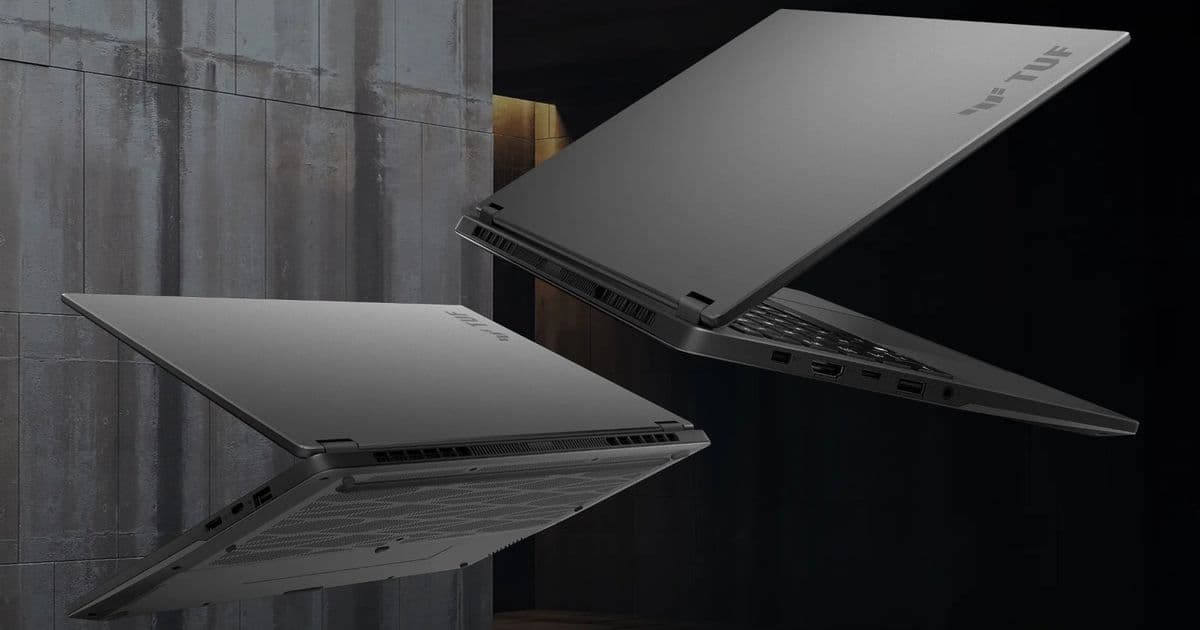
Asus' first Strix Halo gaming laptop arrives in North America, featuring the Ryzen AI Max+ 392 APU that delivers competitive performance despite being slightly detuned from its flagship sibling.
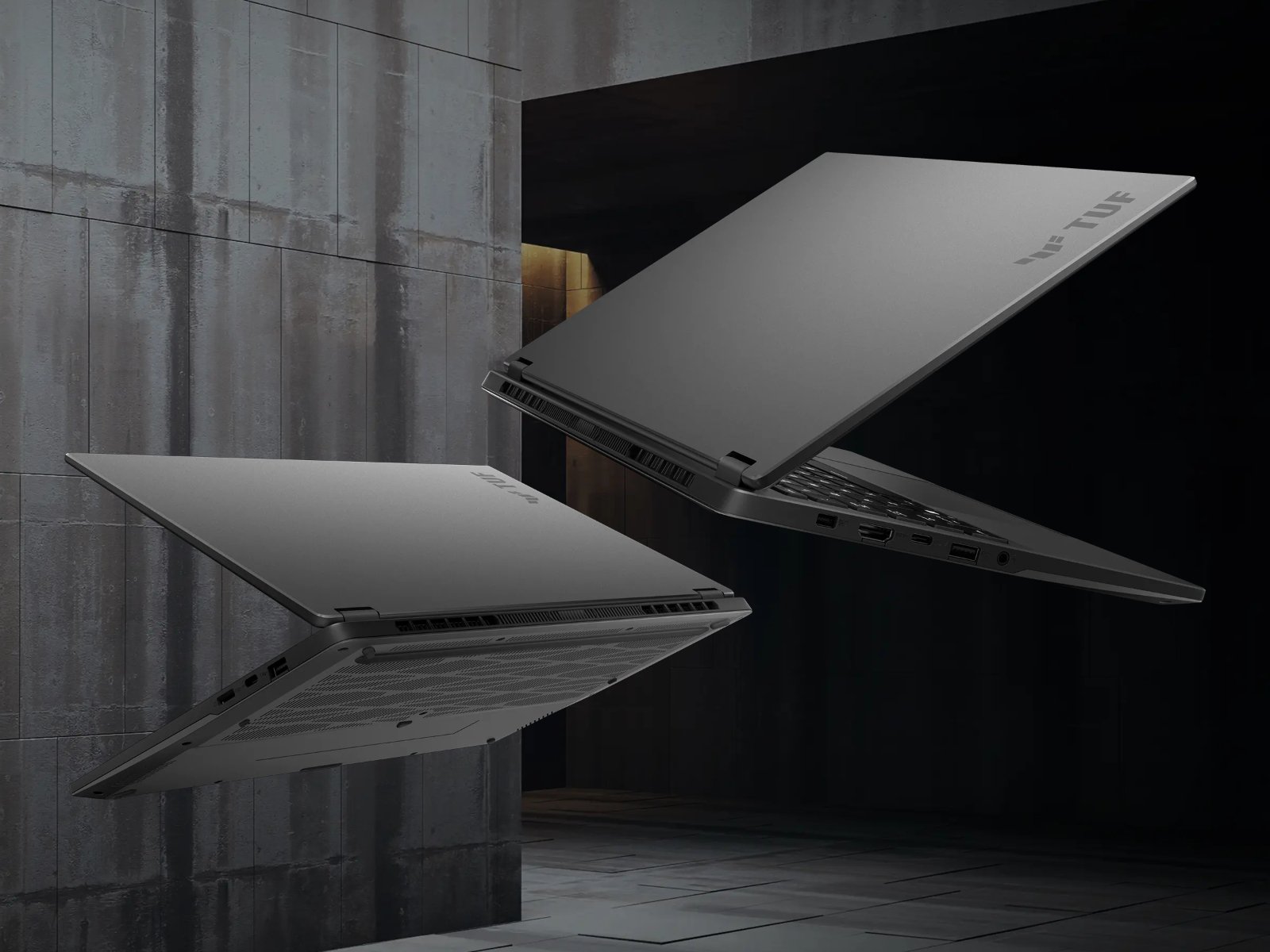
Asus has finally brought its TUF Gaming A14 FA401EA to North American consumers, marking the debut of AMD's Strix Halo platform in the region. The 14-inch gaming laptop, which has been available internationally for months, now faces scrutiny from US buyers and reviewers alike.
Ryzen AI Max+ 392: A balanced approach to mobile gaming
The FA401EA centers around AMD's Ryzen AI Max+ 392 APU, a slightly scaled-back version of the flagship Max+ 395. The chip retains 12 of the 16 Zen 5 CPU cores found in its bigger sibling, but AMD has made some strategic compromises. CPU clock speeds have been tweaked downward, and the L2 cache has been reduced from 16 MB to 12 MB. These changes result in approximately a 25% performance deficit in multi-core workloads like Cinebench 2024 compared to the Max+ 395.
However, the GPU remains untouched. The Radeon 8060S maintains its 40 Compute Units and 2,900 MHz boost clock, delivering the same graphics horsepower as the flagship variant. This balanced approach suggests AMD is targeting efficiency and thermals over raw CPU performance in this configuration.
Real-world gaming performance
According to recent testing by ETA Prime, the FA401EA delivers respectable gaming performance that should satisfy most gamers. In Turbo mode, the laptop sustains around 100 W TDP under load, with the option to push to 115 W in Manual mode. This thermal headroom allows the system to maintain competitive frame rates in modern AAA titles.
At the laptop's native resolution, gamers can expect approximately 80 FPS in demanding games when running in Turbo mode. The cooling solution appears adequate, with temperatures reaching around 80°C using Asus' stock fan curve, leaving some thermal headroom for potential tuning.
How it stacks up against predecessors
The FA401EA represents a meaningful upgrade over the previous FA401WV model, which currently retails for $1,455 on Amazon. While the older variant relied on Nvidia graphics, the new Strix Halo configuration offers several advantages:
- Integrated Radeon 8060S with 16 GB VRAM allocation
- Potentially better power efficiency
- USB-C charging capability at 100 W (unlike many Nvidia-backed competitors)
- AMD's latest Zen 5 architecture
These improvements make the FA401EA an attractive option for gamers who value portability and the flexibility of USB-C charging, though dedicated GPU enthusiasts might still prefer traditional configurations.
Market positioning and availability
The FA401EA's arrival in North America fills a gap in the 14-inch gaming laptop segment, where options have been somewhat limited. Its combination of AMD's latest APU technology and Asus' TUF durability makes it a compelling choice for gamers who need a balance of performance and portability.
For those interested in more detailed performance analysis, ETA Prime's comprehensive video review provides extensive testing data and thermal measurements. The video demonstrates how the laptop handles sustained workloads and showcases actual gaming performance across various titles.
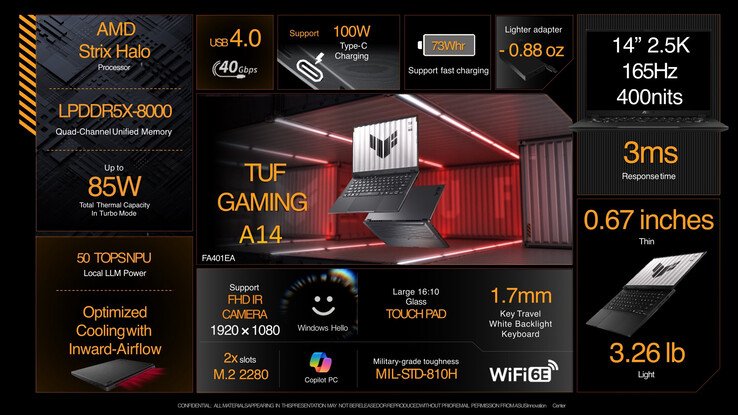
The FA401EA's success in the US market will likely depend on its pricing strategy and how it compares to competing 14-inch gaming laptops from other manufacturers. With AMD's Strix Halo platform now available stateside, we may see more manufacturers adopt this integrated approach to mobile gaming in the coming months.
Comments
Please log in or register to join the discussion