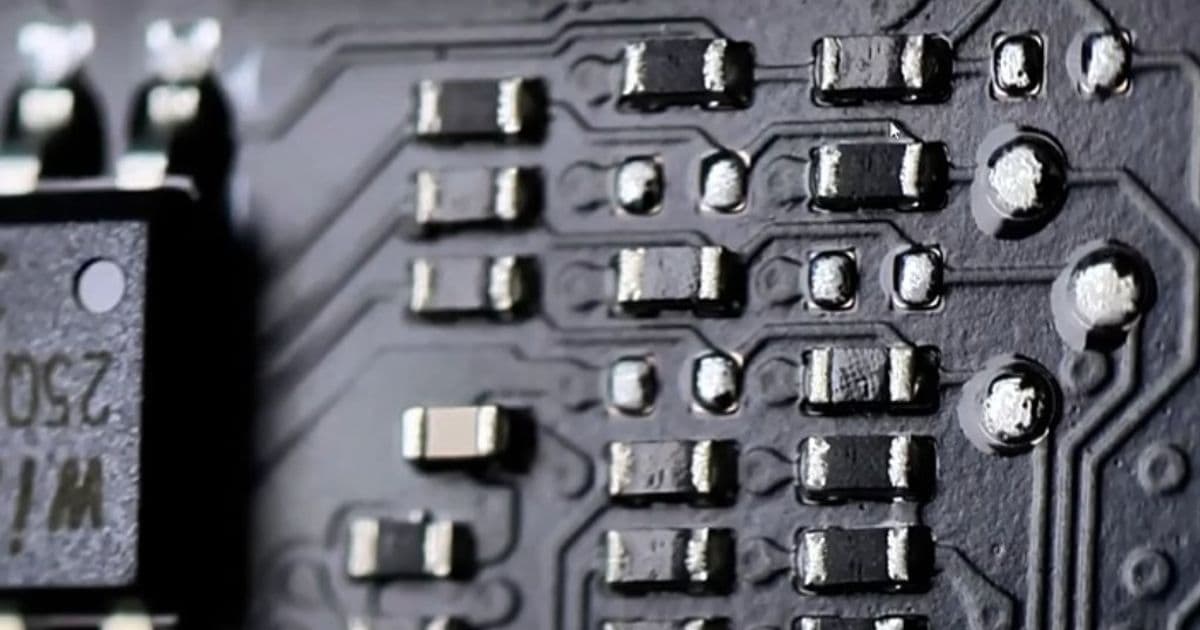
A rare $5,100 MSI RTX 5090 Lightning Z GPU was successfully repaired after an owner damaged it while attempting DIY soldering modifications. Electronics specialist NorthridgeFix managed to restore the limited-edition graphics card, which had been left unbootable due to ripped traces and missing components.
In the world of high-end PC components, few cards command as much attention as the MSI GeForce RTX 5090 Lightning Z. Priced at a staggering $5,100 with a production run limited to just 1,300 units worldwide, this flagship graphics card represents the pinnacle of consumer GPU technology. So when an owner attempted DIY modifications on this rare hardware and ended up with a dead card, the stakes couldn't have been higher. Fortunately, electronics repair specialist NorthridgeFix stepped in and managed to perform what many would consider a miracle repair.
The MSI RTX 5090 Lightning Z is no ordinary graphics card. Built on NVIDIA's GB202 GPU architecture, it features a heavily customized PCB with enhanced power delivery, superior cooling components, and factory overclocking that pushes performance beyond reference specifications. The card's limited availability and premium price tag make it particularly valuable to enthusiasts and collectors alike.
The damage occurred when the owner decided to practice soldering skills directly on the RTX 5090 Lightning Z, attempting to modify components with the goal of flashing MSI's Extreme Overclocking (XOC) BIOS onto the retail model. This ambitious DIY project ended with the card completely unbootable, featuring torn thermal pads, missing components, and critically damaged PCB traces near the GPU die. In a handwritten note to NorthridgeFix, the owner admitted to "practicing" soldering tiny 0402 resistors on the valuable hardware, resulting in ripped pads and a non-functional GPU.
"He tried to 'learn soldering' on an extremely rare MSI 5090 Lightning Z GPU, of which only 1,300 units were made worldwide... I'm speechless," remarked Alex, the host and owner of NorthridgeFix, highlighting the audacity of practicing on such a valuable and rare component.
The repair process presented significant challenges. With no donor boards or official schematics available for this limited-edition GPU, NorthridgeFix had to work blind, using only expertise and precision tools. Alex employed a microscope to carefully realign and repair the damaged traces, replace missing resistors, and double-check every connection in the vicinity of the GPU die. The complexity of the repair required three separate, painstaking videos to document the entire process from initial diagnosis through final voltage testing.
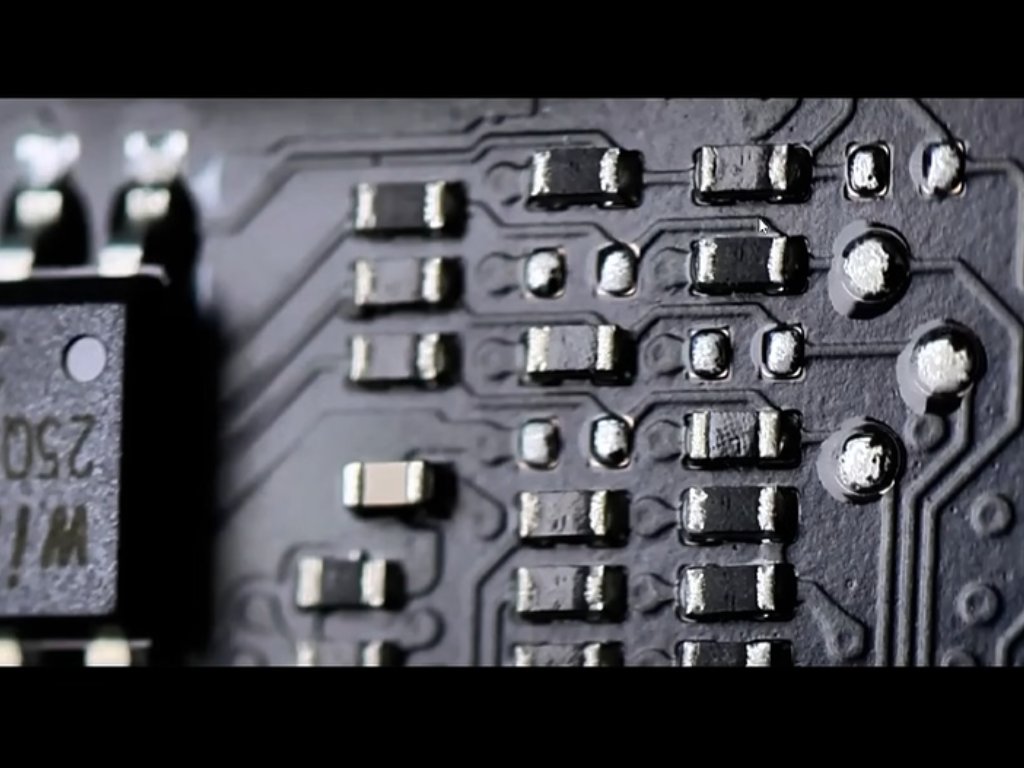
The most critical aspect of the repair was addressing the damaged PCB traces, which had been ripped through right next to the GB202 GPU die. On modern graphics cards, these traces carry essential signals and power to the GPU core, and damage to these pathways can render the entire card non-functional. The repair involved micro-soldering techniques to reconnect these traces with precision, ensuring proper electrical continuity without causing additional damage.
NorthridgeFix's success was demonstrated in the third video of the repair series, where the GPU successfully POSTed (Power-On Self-Test), indicating that the core functionality had been restored. The card passed basic checks, though the owner still needs to install the original shroud and cooler assembly for complete functionality and stress testing.
This incident serves as a cautionary tale for enthusiasts considering DIY modifications on high-value hardware. While the desire to push hardware performance boundaries is understandable, the risks involved with modifying components that cost thousands of dollars are substantial. The repair cost, while not disclosed in the videos, likely represents a significant portion of the card's original value, making the DIY attempt financially questionable.
For those interested in the technical details of the repair, NorthridgeFix has documented the entire process on their YouTube channel, offering a rare glimpse into the intricate world of high-end electronics repair. The videos showcase the level of skill and patience required to restore such complex components when official repair options are unavailable.
The successful rescue of this $5,100 graphics card demonstrates both the risks of DIY hardware modification and the remarkable capabilities of specialized repair services. For owners of rare or high-value components, this story underscores the importance of seeking professional assistance when considering hardware modifications that could potentially render expensive equipment unusable.
Comments
Please log in or register to join the discussion