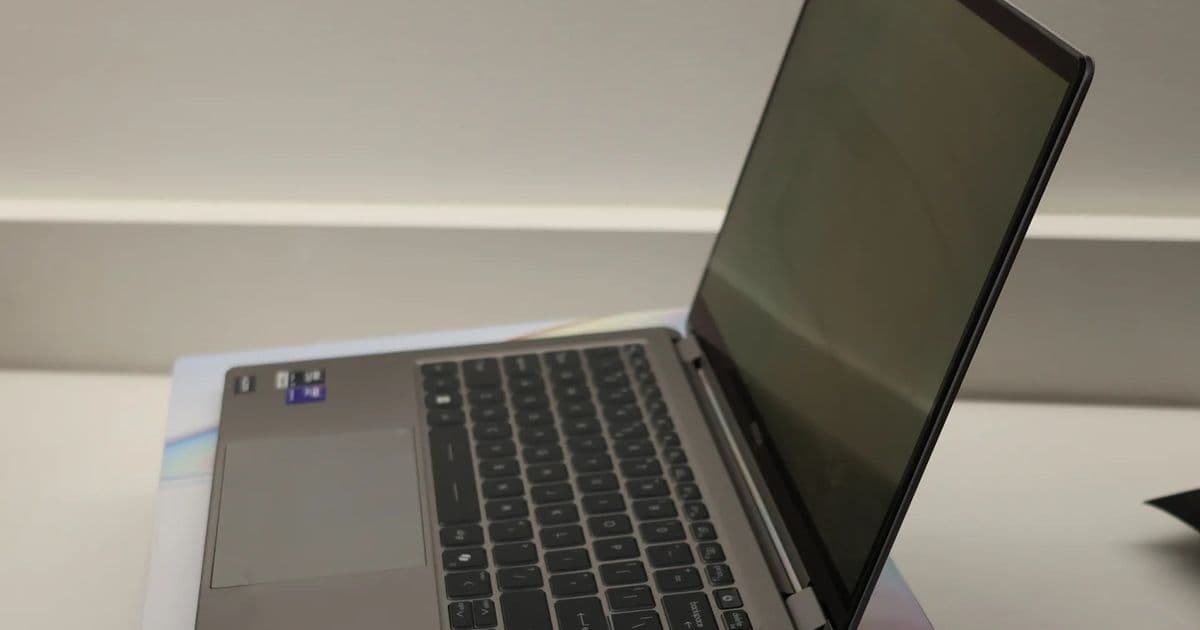
Linux 7.1 will add unified C-states table for Intel Core Ultra Series 3 Panther Lake to optimize power management across different platforms.
The Linux kernel's power management subsystem is receiving another refinement for Intel's latest mobile processors with the upcoming Linux 7.1 release. Developers are adding a unified Panther Lake C-states table to the Intel Idle driver, addressing inconsistencies in how different platforms handle CPU idle states for Intel Core Ultra Series 3 processors.
The intel_idle driver manages CPU idle time by putting processor cores into low-power states when they're not actively processing tasks. This functionality is crucial for modern laptops and mobile devices, where battery life and thermal management depend heavily on how efficiently the CPU can enter and exit these power-saving states.
Panther Lake, Intel's Core Ultra Series 3 family, supports several requestable C-states: C1, C1E, C6S, and C10. These states represent progressively deeper levels of processor inactivity, with C10 being the most power-efficient but also requiring more time to wake up from. The challenge developers have encountered is that different laptop manufacturers and platforms have been supplying varying parameters for these C-states through their firmware.
This inconsistency creates problems because the Intel Idle driver needs reliable, optimal values to make intelligent decisions about when and how to put CPU cores to sleep. When firmware provides suboptimal or inconsistent parameters, the system may not achieve the best possible power savings, or worse, could experience stability issues.
The solution coming in Linux 7.1 is straightforward but effective: a static, unified C-states table that overrides whatever values the platform firmware provides. This table contains what developers consider the most optimal parameters for Panther Lake processors across all supported systems.
According to the patch description, "The parameters of these C-states should be consistent across all systems based on Panther Lake, so add a custom C-states table for it that will override C-state parameters supplied by platform firmware that may vary from one platform to another and may not represent the most optimum choice."
This approach ensures that regardless of what firmware a particular laptop or motherboard provides, the Linux kernel will use the same, well-tested values for managing CPU idle states on Panther Lake processors. The change is particularly important for users who rely on Linux for extended battery life or who run systems with strict thermal constraints.
The patch has already been queued into the Linux power management subsystem's "linux-next" Git branch, indicating it's on track for inclusion in the Linux 7.1 development cycle. This timeline suggests users can expect more consistent and potentially improved power management behavior when the new kernel releases, likely in the coming months.
This refinement is part of a broader effort to improve Linux support for Intel's latest processor architectures. Over the past month and a half, numerous articles have documented the growing maturity of Panther Lake support in the Linux kernel, with this C-states table addition representing one of the final pieces falling into place.
For system administrators, developers, and power users running Linux on Panther Lake hardware, this change means one less variable to worry about when optimizing system performance and power consumption. The unified approach eliminates the uncertainty of platform-specific firmware variations, potentially leading to more predictable behavior across different Panther Lake-based devices.
The addition of this unified table also demonstrates the Linux kernel development community's attention to detail when it comes to hardware support. Rather than accepting inconsistent behavior across different platforms, developers are taking the time to implement solutions that provide the best possible experience for all users, regardless of their specific hardware configuration.
Comments
Please log in or register to join the discussion