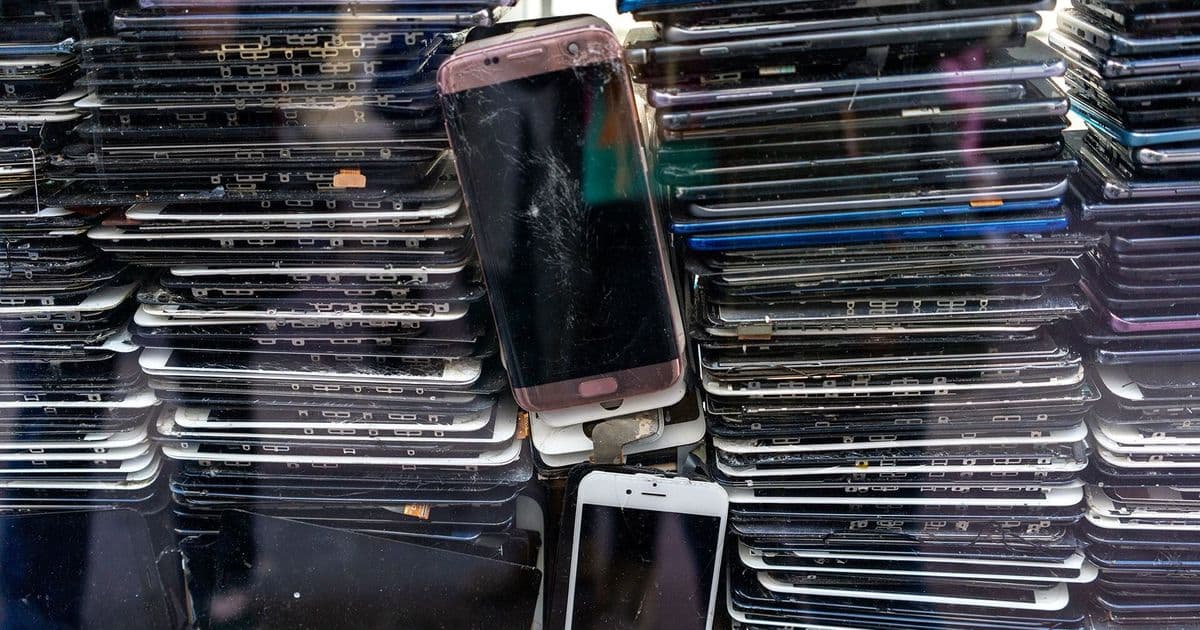
UCSD and Google demonstrate that retired smartphones deliver higher single-core performance than modern server-class processors, creating a low-cost alternative for educational and small-scale computing workloads.
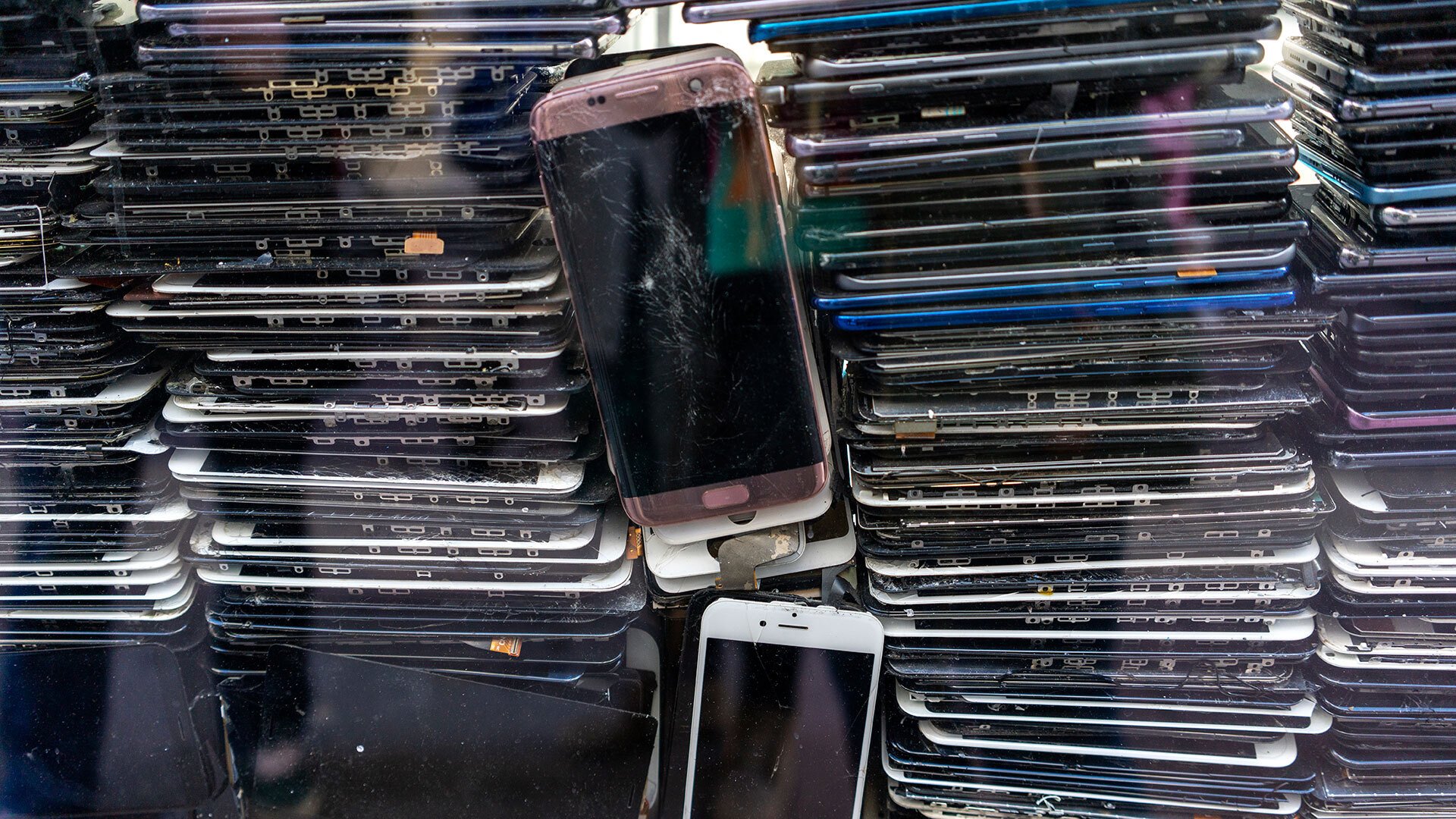
The semiconductor industry has spent decades optimizing mobile processors for power efficiency while server CPUs chase raw throughput. A new collaboration between University of California San Diego (UCSD) researchers and Google Research flips this narrative: smartphones from just three years ago now outperform server-class hardware on per-core benchmarks, according to the study's findings.
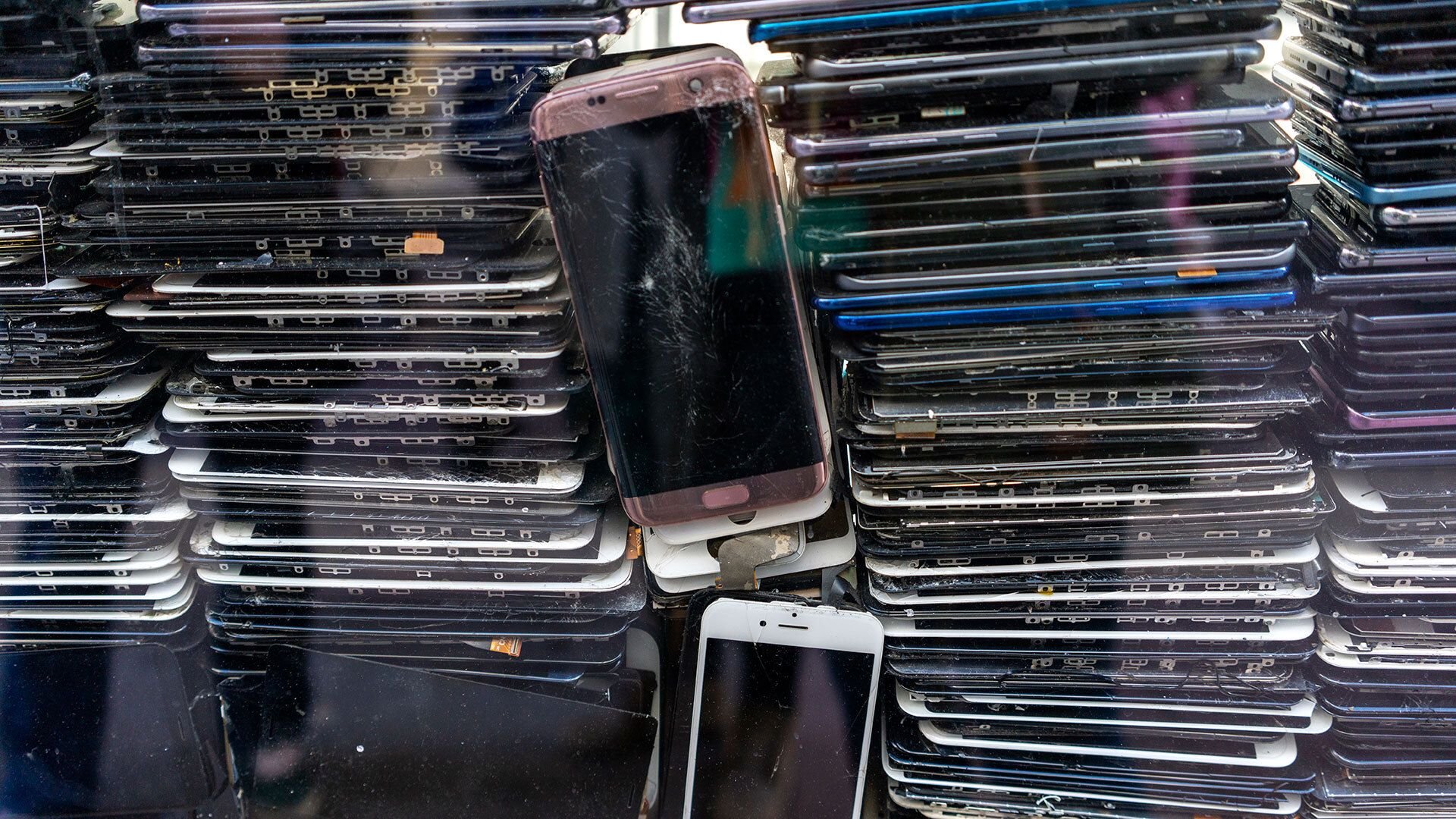
The project targets the growing e-waste crisis tied to consumer electronics. Humanity discards millions of smartphones annually, each containing embodied carbon from manufacturing. Rather than scrapping these devices, the research team repurposes them into general-purpose computing platforms.
Technical Architecture: From Consumer Device to Data Center Node
The conversion process strips each phone to its essentials: motherboard, system-on-chip (SoC), memory, and storage. Displays, batteries, cameras, speakers, and chassis housings are removed entirely. What remains is a compact compute node.
The Android operating system is replaced with a standard Linux distribution used in data center environments. This eliminates bloatware and enables orchestration software like Kubernetes to manage workloads across the cluster. The SoCs, originally designed for mobile gaming and multitasking, now handle server-class compute tasks.
Benchmarking Results: Single-Core Performance Advantage
The research team benchmarked old Pixel smartphones against the Asus RS720A-E11 server, a dual-socket platform that supports Nvidia H200 GPUs and AMD EPYC processors. While the server delivers massive multicore throughput, the smartphones scored higher on the SPEC benchmarking suite when measured on a per-core basis.
This single-core advantage stems from mobile processor design priorities. Smartphone SoCs like Qualcomm's Snapdragon series and Google's Tensor chips emphasize single-threaded performance for responsive user interfaces and app launches. Server CPUs like AMD EPYC prioritize core count and memory bandwidth for parallel workloads. The result: a 3-year-old mobile processor can match or exceed a server CPU on tasks that don't scale across multiple cores.
Cluster Performance and Scalability
The study quantified cluster performance at multiple scales:
- 25 to 50 phones equate to one dual-socket server-class CPU
- 20 phones support a single application for a 75+ student class
- 2,000 phones will form a local data center supporting 100 concurrent classes
The 20-phone cluster demonstrates the economic proposition: running educational applications locally eliminates cloud hosting costs and reduces demand on hyperscale data center infrastructure. For universities and smaller institutions, this approach provides compute resources at a fraction of building new server infrastructure.
Cost Analysis: Used Hardware vs. New Server Builds
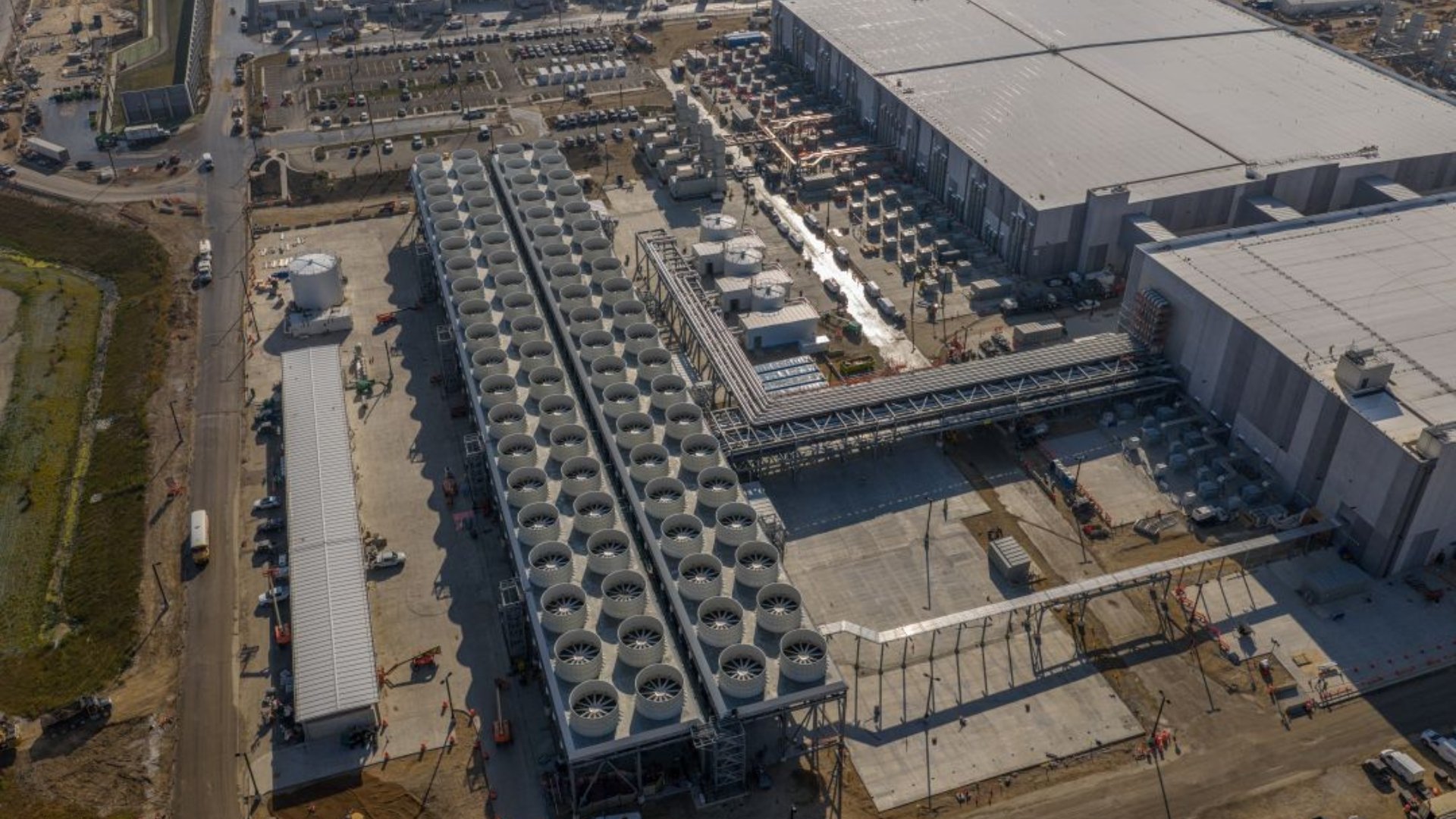
The cost advantage is significant. New server components, particularly memory and storage chips, have seen price increases in recent cycles. A dual-socket server with AMD EPYC processors, DDR5 memory, and NVMe storage can cost $15,000 to $50,000 depending on configuration. Meanwhile, used smartphones from three years ago trade for $100 to $300 each on secondary markets.
At 25 phones per server-equivalent, the hardware cost ranges from $2,500 to $7,500. Factor in reduced power consumption (mobile SoCs consume 5-10 watts vs. 200-300 watts for a server CPU), and the total cost of ownership drops substantially.
The research team expects to launch the full 2,000-phone system later this year. They plan to evaluate how consumer-grade hardware withstands continuous data center workloads, which typically demand 24/7 operation and higher thermal tolerances than consumer use cases.
Market Implications: Who Benefits, Who Doesn't
This approach has clear limitations for hyperscale operators. Companies like Google, Microsoft, and Amazon prefer fewer, more reliable components. Server-class hardware offers ECC memory, redundant power supplies, and enterprise support contracts. A cluster of repurposed phones introduces complexity in management, failure rates, and interconnect bandwidth.
However, the educational and small-enterprise markets represent a different calculus. Universities running student applications, research labs prototyping workloads, and smaller organizations without hyperscale budgets can leverage this model. The hardware cost is low enough that replacing failed phone nodes is economically viable.

Precedent: Mobile Processors in Non-Mobile Roles
This isn't the first demonstration of mobile silicon beyond consumer devices. NASA's Ingenuity Mars helicopter used a Qualcomm Snapdragon 801 SoC, a mid-range chip from 2014, to process navigation data for the Perseverance rover. The choice reflected radiation tolerance, power efficiency, and mature software ecosystems.
Other research groups have explored converting old phones into underwater monitoring stations and edge computing nodes. The pattern is consistent: mobile SoCs offer more compute than their age suggests, particularly for single-threaded and memory-light workloads.
Supply Chain Context: E-Waste and Circular Computing
The global smartphone market ships roughly 1.2 billion units annually. Average upgrade cycles range from 2 to 3 years, generating millions of devices suitable for this reuse model. Traditional recycling recovers precious metals but wastes the functional silicon, memory, and storage components.
UCSD's approach extends the useful life of these components. Rather than extracting gold from circuit boards, the project extracts compute cycles. The environmental benefit compounds: fewer new servers manufactured, fewer old phones landfilled, and lower energy consumption per compute unit.
For the semiconductor industry, this raises questions about how processor designers might optimize for second-life applications. Mobile SoCs designed for 3-year consumer lifespans could be engineered for longer data center service, potentially with different binning and validation processes.
The research team's 2,000-phone deployment will provide real-world data on consumer hardware durability in always-on environments. If successful, it could influence how both mobile and server processor roadmaps account for circular computing economies.
Comments
Please log in or register to join the discussion