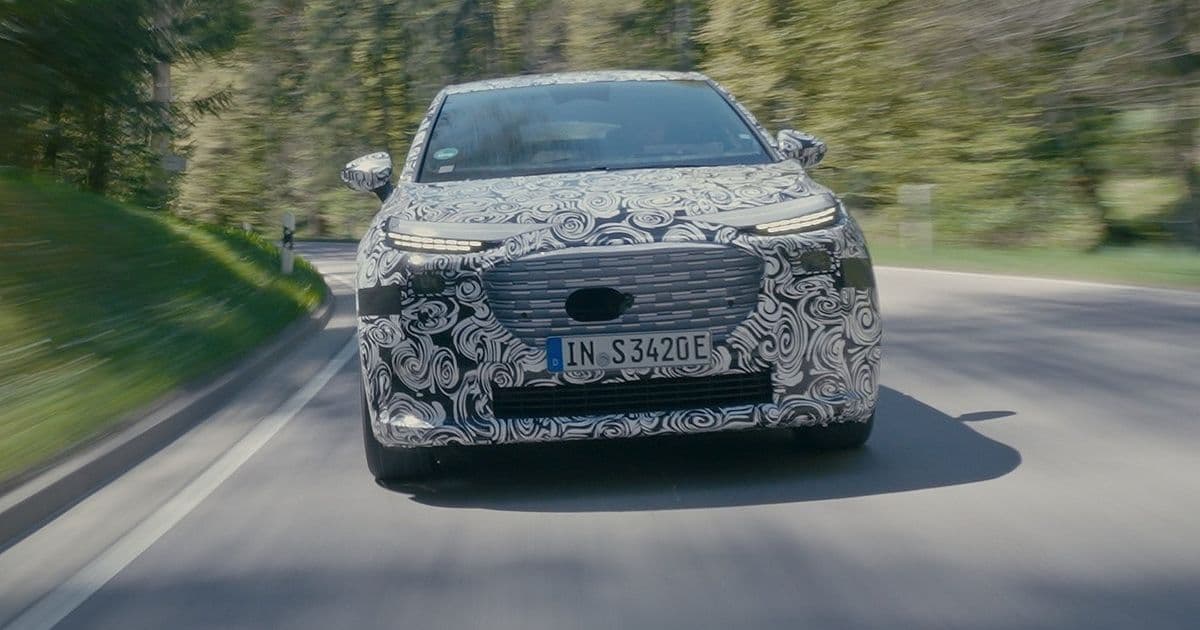
Audi has taken the camouflaged A2 e‑tron prototype to the frozen tracks of northern Sweden. The tests focus on battery thermal management, low‑speed aerodynamics and everyday usability, while the automaker positions the compact EV as the entry point for a broader, premium‑electric lineup slated for a 2026 launch.
Audi A2 e‑tron: First real look as the camouflaged prototype tackles Swedish winter testing
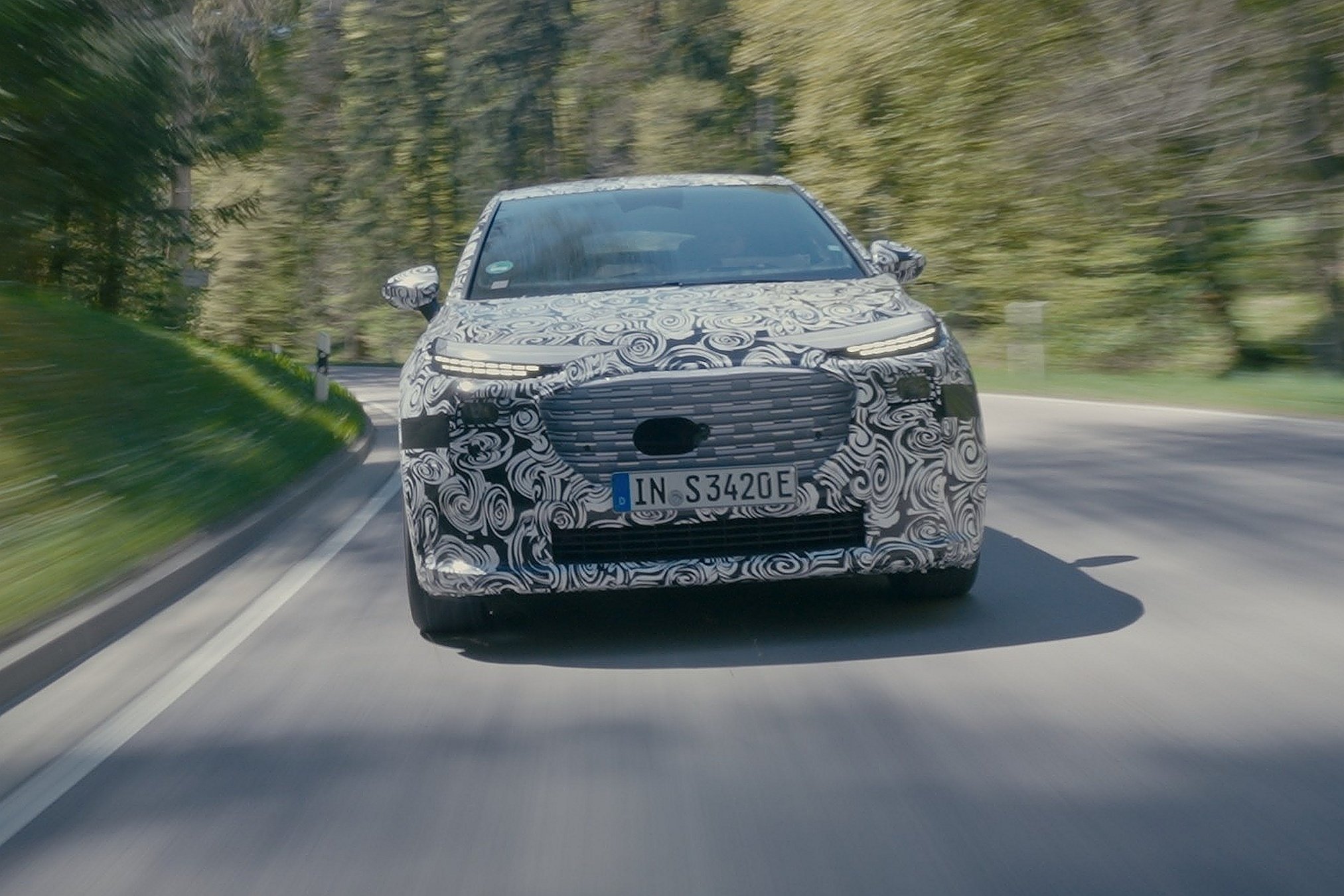
The first fully built A2 e‑tron prototypes have left the design studio and are now being put through their paces on ice‑covered lakes and snow‑packed roads in northern Sweden. The cars are wrapped in a matte camouflage skin that hides the final paintwork, but the underlying shape is unmistakably a modern reinterpretation of the original A2’s compact silhouette.
What’s new on the test‑track
- Battery management in sub‑zero conditions – Engineers are monitoring cell temperature, coolant flow and heating power while the motor delivers up to 150 kW (about 200 hp). Early data suggest that the 55 kWh lithium‑ion pack can maintain a usable 80 % state‑of‑charge down to –20 °C with only a modest increase in energy consumption.
- Chassis‑motor‑brake integration – The prototype uses Audi’s latest e‑axle architecture, which combines the rear motor, gearbox and regenerative braking into a single unit. On the frozen lake the system is being tuned for smooth torque delivery and minimal wheel‑spin, a critical factor for traction on low‑grip surfaces.
- Aerodynamic validation – While the wind‑tunnel work in Ingolstadt is still ongoing, the on‑road tests give a first look at how the low‑drag roofline and tapered rear end behave at real‑world speeds. Early drag‑coefficient estimates are around 0.22, a figure that would place the A2 e‑tron among the most efficient cars in its class.
How it compares to the original A2 and competitors
The 1999‑2005 A2 was praised for its lightweight aluminium body and fuel‑efficient engines. Audi is echoing that philosophy with a carbon‑fibre‑reinforced polymer (CFRP) monocoque that saves roughly 120 kg compared with a conventional steel platform. The weight advantage translates into a lower energy demand per kilometre, which should help the A2 e‑tron achieve an official WLTP range of around 420 km (260 mi).
When stacked against rivals such as the Volkswagen ID.3 and the Renault Zoe, the A2 e‑tron aims to offer:
- Higher premium feel – A fully digital cockpit, optional augmented‑reality head‑up display and a 12.3‑inch infotainment screen that runs the latest version of Audi’s MMI system.
- More spacious interior – Despite the compact exterior, the flat battery floor and thin rear pillars free up rear‑seat legroom that rivals often sacrifice.
- German‑made battery pack – Production will stay at Audi’s Ingolstadt plant, contrasting with many competitors that source cells from overseas factories.
Who the A2 e‑tron is built for
Audi positions the model as the entry point for customers who want a premium badge without the price premium of larger EVs. The target buyer is likely to be:
- Urban commuters who need a vehicle that fits tight city parking spaces but still offers a respectable range for weekend trips.
- Young professionals attracted by a blend of high‑tech interior features and a brand’s heritage of lightweight engineering.
- Fleet operators in European city centres looking for a low‑operating‑cost vehicle that can benefit from EU incentives for electric cars.
The strategy fits Audi’s broader 2026 roadmap, which sees the ultra‑luxury Q9 SUV anchoring the top end while the A2 e‑tron anchors the bottom end of the electric lineup. By filling the price gap, Audi hopes to increase overall EV market share and keep production volumes high at its German factories.
What to expect next
- Wind‑tunnel results – Audi plans to publish detailed drag‑coefficient numbers and noise‑reduction data by Q3 2026.
- Production‑ready prototype – A pre‑production model, still in camouflage, is slated for a public unveiling at the Frankfurt Motor Show in September 2026.
- Pricing guidance – Early estimates suggest a starting price around €32,000 before national subsidies, placing the A2 e‑tron squarely in the affordable‑premium segment.

The winter testing phase will continue through February, with engineers focusing on long‑duration cold‑weather charging cycles and real‑world range verification. If the data holds up, the A2 e‑tron could become the most efficient compact EV on the market when it finally reaches showrooms.
Sources: Audi press releases, internal test‑track observations, Audi engineering briefings
Comments
Please log in or register to join the discussion