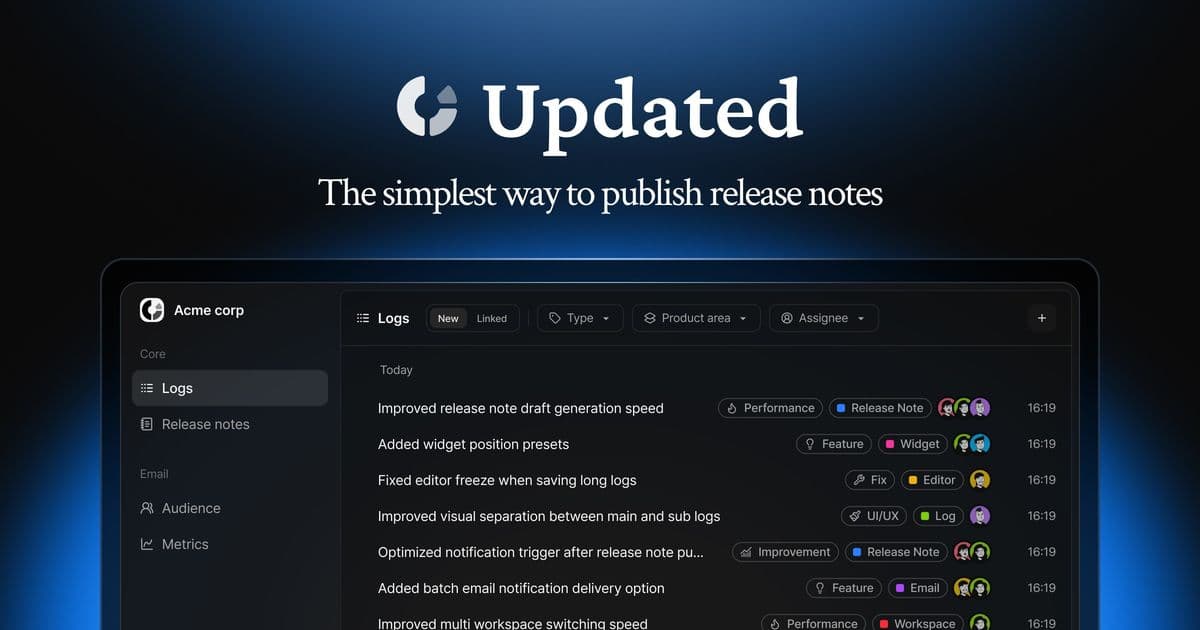
The tedious process of crafting release notes is being revolutionized by tools that transform Git commit histories into structured, AI-enhanced documentation, streamlining developer workflows and improving communication with end-users.
For development teams, the release note process has long been a necessary chore—sifting through Git logs, categorizing changes, and translating technical commits into coherent user-facing updates. This time-consuming task often falls to engineers who could otherwise be focused on building features. Emerging solutions now promise to automate this entire workflow, turning raw commit data into polished release notes with minimal manual intervention.
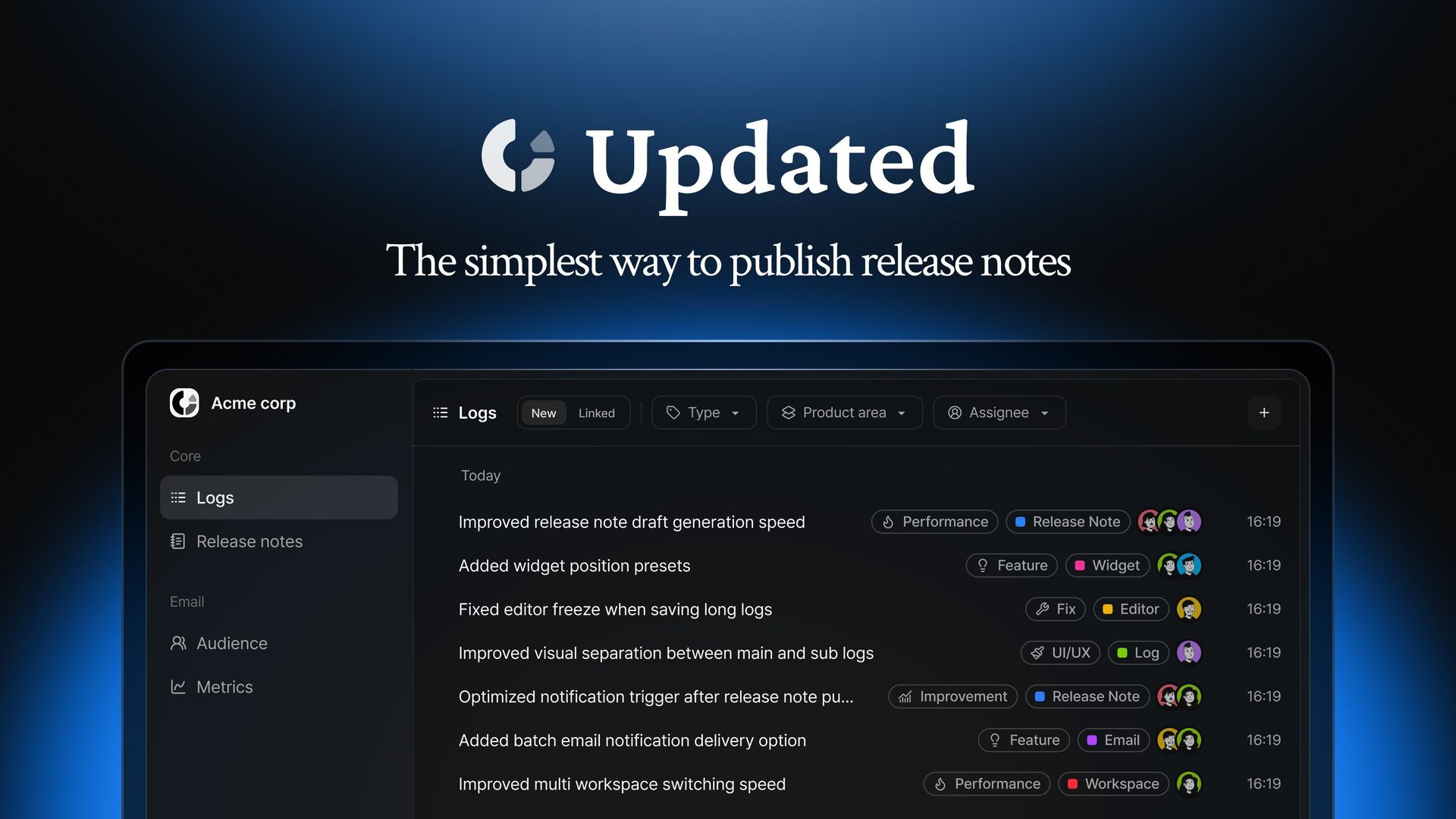
At its core, this automation addresses a fundamental challenge in software development: bridging the gap between internal version control and external communication. Git commits contain the raw material for release notes—feature additions (feat:), bug fixes (fix:), refactoring efforts (refactor:), and maintenance tasks (chore:). However, these commit messages are often cryptic, inconsistent, and lack context for non-technical stakeholders. The new wave of tools addresses this by parsing commit histories, applying intelligent categorization, and leveraging AI to refine language and tone.
The Technical Workflow
Automated release note generation typically follows a multi-step process:
- Commit Parsing: Tools scan Git repositories for commit messages, often using semantic commit conventions (e.g., Conventional Commits) to automatically tag changes as features, fixes, or documentation updates.
- Intelligent Categorization: Commits are grouped by type, scope, or impact area. For instance,
feat: add social loginmight be categorized under "Authentication," whilefix: resolve duplicate alertsfalls under "Bug Fixes." - AI Enhancement: Natural language processing refines raw commit messages into user-friendly descriptions. This includes translating technical jargon, adjusting tone (e.g., formal for enterprise users, casual for consumer apps), and summarizing multi-commit changes.
- Delivery: Final notes are published via in-app widgets, public pages, or email notifications, ensuring stakeholders receive updates seamlessly.
Key Capabilities
Modern release note automation platforms offer several critical features:
- Auto-Logging: Automatically tracks commits without manual selection, reducing oversight.
- AI Drafting: Generates initial drafts from commit data, which developers can edit or approve.
- Custom Formatting: Adapts notes to brand voice, supports multiple languages, and allows for custom domains.
- Integration: Connects with version control systems (GitHub, GitLab) and communication channels.
Why This Matters
n Beyond saving time (developers report spending hours per release on notes), these tools improve product communication consistency. They ensure that users receive accurate, timely updates about new features and resolved issues—directly impacting user satisfaction and retention. For DevOps teams, this automation aligns with broader goals of streamlining CI/CD pipelines and reducing manual overhead in release cycles.
The Future of Release Workflows
As AI capabilities advance, we can expect deeper integration with development ecosystems. Future iterations might analyze commit diffs to infer user impact (e.g., "This change improves login speed by 20%") or cross-reference Jira tickets to provide contextual links. For now, the shift from manual note-writing to automated generation represents a significant step toward more efficient, developer-centric workflows.
Comments
Please log in or register to join the discussion