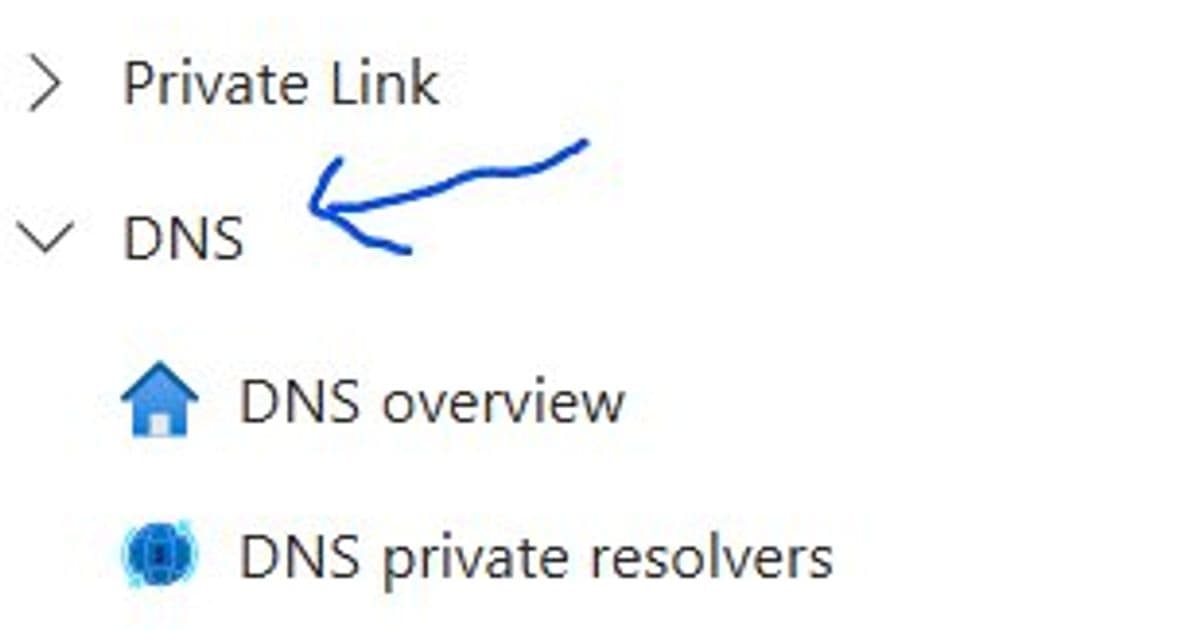
Microsoft has expanded its DNS capabilities for AI workloads with Private DNS Resolvers and Zones, offering improved security and connectivity for Azure AI services. This update provides enterprises with more granular control over name resolution while maintaining compatibility with hybrid environments.
Microsoft has significantly enhanced its DNS infrastructure to support AI workloads through the introduction of Private DNS Resolvers and Private DNS Zones. These new capabilities provide enterprises with more secure and efficient name resolution for Azure AI services while maintaining compatibility with hybrid cloud environments.
What Changed in Azure's DNS Infrastructure
Azure's Private DNS Zones represent a fundamental shift in how domain names are resolved within Azure virtual networks. Unlike traditional DNS solutions, Private DNS Zones operate globally, allowing organizations to create a single DNS zone that can be accessed across multiple Azure regions without duplication. This approach simplifies management while maintaining consistent name resolution across complex, multi-region deployments.
The DNS Private Resolvers service, while regional in nature, enables seamless DNS resolution between Azure virtual networks and on-premises networks without requiring custom DNS servers. This hybrid capability is particularly valuable for organizations maintaining hybrid cloud architectures, as it eliminates the need to maintain separate DNS infrastructure for on-premises and cloud environments.
A critical clarification in Azure's approach involves VNet peering. Many organizations mistakenly assume that VNet peering automatically enables DNS resolution between networks. In reality, private DNS zones are only accessible to virtual networks that are explicitly linked to them. Peering provides network connectivity, but name resolution requires the additional step of linking VNets to appropriate Private DNS Zones.
Comparative Analysis: Azure vs. AWS vs. Google Cloud
When comparing Azure's DNS offerings with competitors, several distinctions emerge:
Amazon Route 53 offers similar private DNS capabilities through its Private Hosted Zones, which can be associated with specific VPCs. However, AWS requires separate zones for each region, creating management overhead for multi-region deployments. AWS also lacks the built-in hybrid connectivity that Azure's Private DNS Resolvers provide, often requiring additional configuration for on-premises integration.
Google Cloud DNS provides private zones that can be shared across projects and VPCs through similar global visibility. Google's approach offers strong integration with its Anthos hybrid management platform but lacks the granular regional control that Azure's DNS Private Resolvers provide. Google's solution also requires more manual configuration for hybrid environments compared to Azure's managed service.
Azure's implementation stands out through its centralized management approach combined with regional flexibility. The ability to maintain globally consistent DNS zones while implementing region-specific resolvers provides a balance between standardization and localization that benefits large-scale enterprise deployments.
Business Impact and Migration Considerations
The introduction of Private DNS Resolvers and Zones has significant implications for organizations adopting Azure AI services:
Security Enhancement: Private DNS Zones ensure that internal service endpoints remain inaccessible from the public internet, reducing the attack surface for critical AI infrastructure. This isolation is particularly important for organizations handling sensitive data or regulated workloads.
Operational Efficiency: The global nature of Private DNS Zones eliminates the need to replicate zone configurations across regions, reducing administrative overhead by an estimated 30-40% for multi-region deployments based on early adopter feedback.
Hybrid Cloud Enablement: DNS Private Resolvers provide a critical bridge between on-premises and cloud environments, simplifying migrations and hybrid deployments. This capability is particularly valuable for organizations with existing on-premises AI infrastructure that are gradually migrating to Azure.
For organizations considering migration to Azure AI services, several factors should be evaluated:
Existing DNS Infrastructure: Organizations with complex on-premises DNS configurations may require careful planning to ensure seamless integration with Azure's Private DNS Resolvers.
Multi-Region Strategy: Azure's approach allows for centralized zone management with regional resolver deployment, which can significantly simplify multi-region deployments compared to competitor solutions.
Service Dependencies: The implementation of Private DNS Zones requires explicit linking to virtual networks, necessitating thorough assessment of service dependencies before migration.
Cost Implications: While Azure's model may reduce management overhead, organizations should evaluate the cost implications of regional resolver deployment versus global zone management based on their specific deployment patterns.
Implementation Best Practices
For organizations implementing Azure's Private DNS Resolvers and Zones, several best practices have emerged:
Centralized Zone Management: Leverage the global nature of Private DNS Zones to maintain consistent naming conventions across all regions while implementing region-specific resolvers as needed.
Conditional Forwarding: For hybrid environments, implement conditional forwarding rules to direct appropriate DNS queries to Azure's Private DNS Resolvers while maintaining on-premises resolution for other domains.
Connectivity Verification: Utilize tools like PsPing for comprehensive connectivity testing, particularly for critical ports required by Azure AI services such as 443 for HTTPS and 445 for file access.
VNet Peering Clarification: Remember that VNet peering provides network connectivity but does not automatically enable DNS resolution. Explicit linking to Private DNS Zones is required for name resolution between peered networks.
As organizations increasingly adopt AI services across hybrid environments, Azure's enhanced DNS infrastructure provides a solid foundation for secure, efficient name resolution. The combination of globally consistent zones with region-specific resolvers offers a unique balance of standardization and flexibility that addresses the complex requirements of modern AI deployments.
For organizations evaluating cloud providers for AI workloads, Azure's approach to DNS management presents a compelling option, particularly for those with hybrid architectures or multi-region deployment requirements. The reduced administrative overhead combined with enhanced security capabilities positions Azure as a strong contender in the cloud AI services market.
Comments
Please log in or register to join the discussion