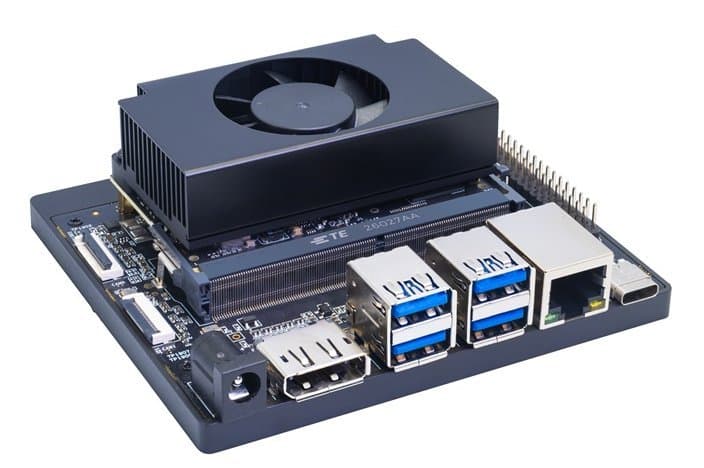
Banana Pi has introduced the BPI-SM10, a compact RISC-V computer system featuring SpacemiT K3 processors and significant AI capabilities, positioning itself as an alternative to ARM-based systems for developers interested in RISC-V architecture or AI development.
Banana Pi has entered the AI-focused single-board computer market with the introduction of the BPI-SM10, a compact system built around SpacemiT's K3 RISC-V processor. The new device offers up to 60 TOPS (trillion operations per second) of AI performance, making it an interesting option for developers experimenting with RISC-V architecture or working on AI applications.
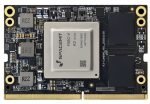
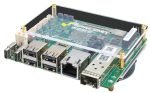
The BPI-SM10 consists of two main components: a compute module that resembles a stick of RAM and a carrier board that provides power and various I/O connections. This modular design is similar to approaches used by other manufacturers like NVIDIA with their Jetson series, potentially allowing for easier upgrades or specialized carrier boards for different applications.
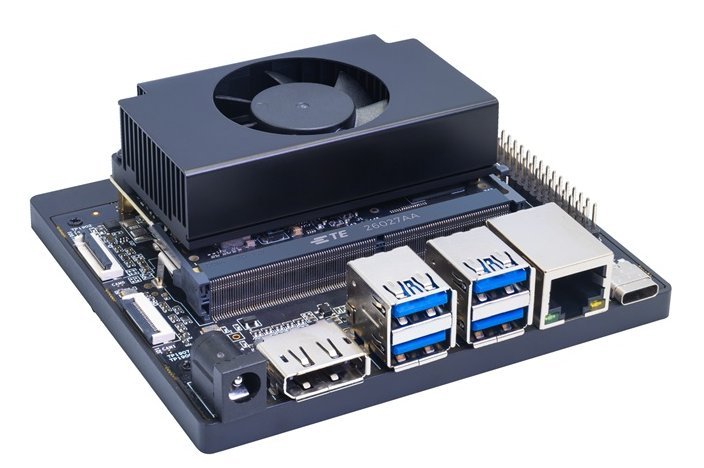
Under the hood, the compute module features LPDDR5-6400 onboard memory and the SpacemiT K3 processor. This chip is a 2.4 GHz octa-core design compliant with the RVA23 profile, which is important for developers as it ensures a certain level of standardization in the RISC-V ecosystem. More importantly for AI-focused applications, the processor includes an 8-core AI accelerator capable of delivering up to 60 TOPS of performance.
For developers, the carrier board offers a respectable selection of connections:
- 2 x M.2 connections (1 x PCIe Gen 4 x4 + 1 x PCIe Gen 4 x2)
- 4 x USB 3.2 Gen 2 Type-A ports
- 1 x USB 3.2 Gen 2 Type-C port
- 1 x DisplayPort 1.2 output
- 1 x Gigabit Ethernet port
- 2 x MIPI-CSI camera interfaces
- 1 x 40-pin expansion header
- 1 x DC power input
The physical dimensions of the carrier board measure 103 x 90.5 x 35mm, with the height including the board, compute module, cooling fan, and feet. The system is expected to consume between 18 to 35 watts of power, which is relatively modest for a device with this level of AI capability.
Banana Pi hasn't announced pricing for the BPI-SM10 yet, but we can make some educated guesses based on the components. The compute module appears to be the same size and shape as NVIDIA's Jetson Orin NX, and the carrier board seems nearly identical to the one used in the Radxa C200 Orin Dev Kit, which features an ARM-based chip and currently sells for $499. This suggests that the BPI-SM10 might be priced in a similar range, though it's difficult to say without official confirmation.
For developers specifically interested in RISC-V architecture, this device presents an interesting opportunity. The RISC-V ecosystem has been growing, but practical development hardware has been more limited compared to the ARM and x86 architectures. The BPI-SM10 offers a relatively powerful platform for experimenting with RISC-V while also providing substantial AI capabilities.
The device's ability to run 30 billion parameter AI models at 10 tokens per second is particularly noteworthy. This places it in a competitive position for edge AI applications where larger models might typically require more power-hungry systems. Developers working on natural language processing, computer vision, or other AI-intensive applications could find this an attractive option for prototyping or even deployment in production environments.
Looking ahead, Banana Pi also plans to release a K3 Pico-ITX board that uses the same SpacemiT K3 processor. Unlike the modular BPI-SM10, this will be a single 2.5" x 2.5" unit with additional features including an eDP connector, front panel header, RTC battery connector, and a 10-gigabit Ethernet port. While details are still emerging, the existence of a Pico-ITX reference design suggests we may see similar boards from other manufacturers in the future, potentially driving competition and innovation in this space.
For developers considering adopting the BPI-SM10, there are several factors to consider. The RISC-V architecture, while promising, still has a smaller ecosystem of tools, libraries, and community support compared to more established platforms. However, this is changing rapidly, and devices like the BPI-SM10 can help accelerate this process. The presence of a 40-pin expansion header suggests compatibility with existing Raspberry Pi accessories, which could ease the transition for developers familiar with that platform.
The power efficiency of the BPI-SM10 is another important consideration. With consumption between 18-35 watts, it's significantly more efficient than many desktop systems while still offering substantial computing power. This makes it suitable for always-on applications, edge computing deployments, or situations where power consumption is a concern.
As the RISC-V ecosystem continues to mature, devices like the BPI-SM10 will play an important role in expanding the available options for developers. The combination of a relatively open architecture with specialized AI acceleration could appeal to a growing number of developers looking for alternatives to the increasingly dominant ARM and x86 platforms.
While pricing remains unknown, and the RISC-V ecosystem still has some catching up to do, the BPI-SM10 represents an interesting option for developers willing to experiment with new architectures while having access to substantial AI capabilities. As more details emerge and the RISC-V ecosystem continues to grow, this type of device could become increasingly relevant for specialized applications and development scenarios.
Comments
Please log in or register to join the discussion