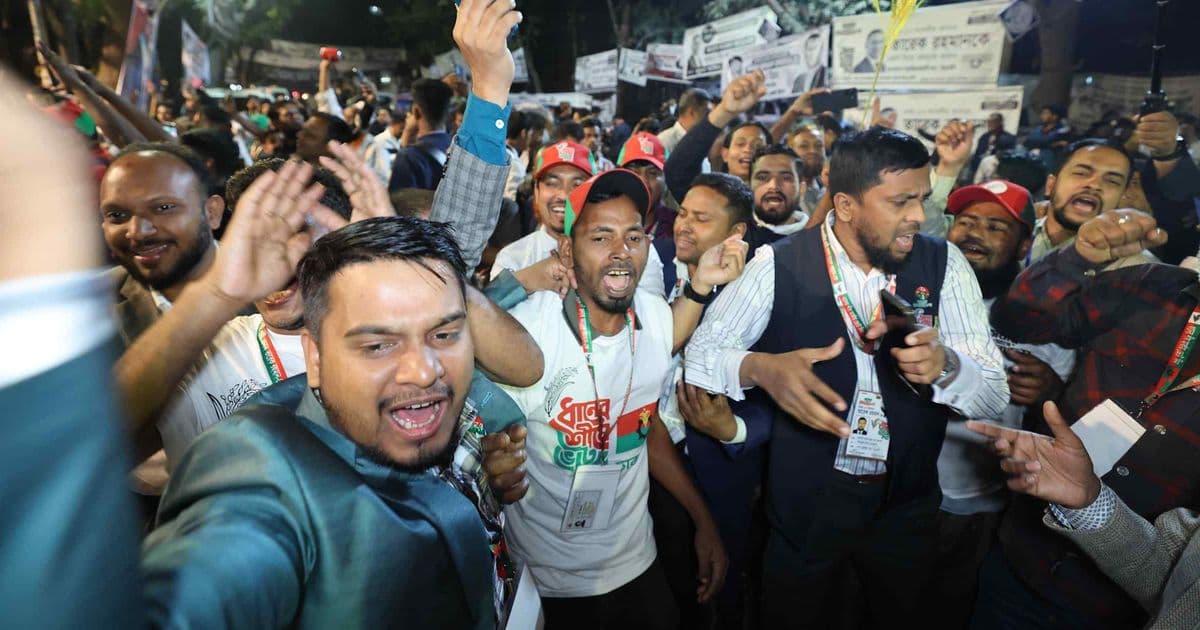
Bangladesh Nationalist Party secures decisive parliamentary majority, setting stage for Tarique Rahman's premiership and implementation of 'July Charter' reforms.
The Bangladesh Nationalist Party (BNP) has secured a decisive victory in Thursday's parliamentary election, winning a landslide majority that will see party leader Tarique Rahman become the country's next prime minister. The Election Commission's announcement brings an end to months of political uncertainty following the ousting of former Prime Minister Sheikh Hasina in 2024.
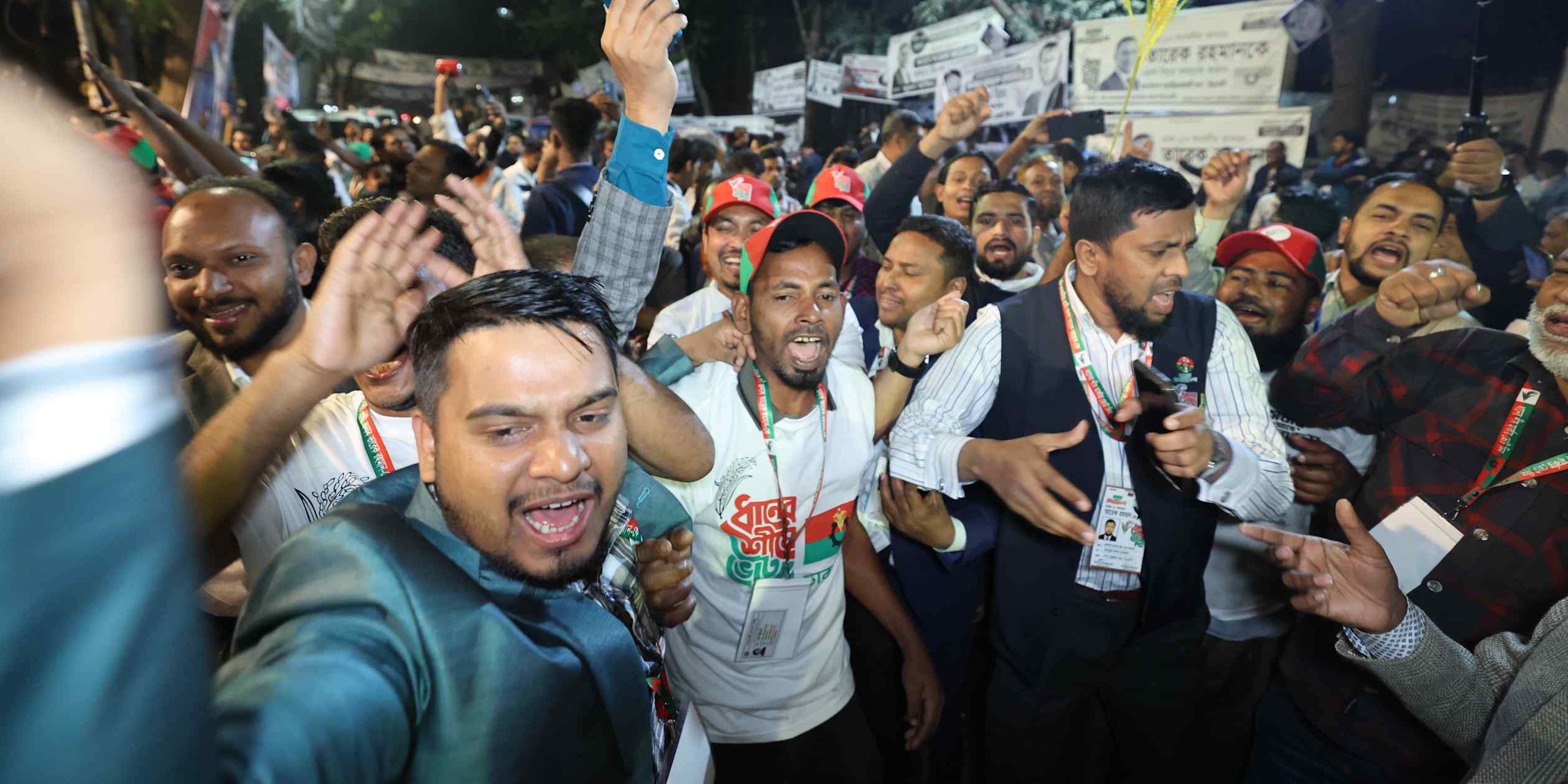
BNP supporters celebrated across Dhaka as results came in, marking what many see as a significant shift in Bangladesh's political landscape. The party's campaign focused on economic reform and political stability, resonating with voters who have endured months of uncertainty since Hasina's departure.
What the 'July Charter' Means The BNP's victory brings with it the promise of implementing the so-called 'July Charter' – a comprehensive political reform package that includes measures for greater transparency, judicial independence, and electoral system changes. The charter emerged from student-led protests that ultimately led to Hasina's removal and has been central to the BNP's platform.
Key elements of the July Charter include:
- Electoral reforms to ensure free and fair voting
- Judicial independence measures
- Anti-corruption initiatives
- Economic liberalization policies
- Media freedom protections
Regional Implications The election result has already begun to ease concerns in neighboring India, which had maintained close ties with Hasina's administration. The BNP has indicated it will pursue a more balanced foreign policy approach, maintaining relationships with both India and other regional powers.
Economic analysts note that the BNP's victory could signal a shift toward more market-friendly policies. The party has promised 'total deregulation' in various sectors, which could attract foreign investment but also raises questions about regulatory oversight and worker protections.
What Comes Next With the election concluded, attention now turns to the transition of power and the implementation of promised reforms. The BNP will need to navigate several immediate challenges:
- Forming a stable government coalition
- Addressing economic pressures including inflation and currency stability
- Managing relations with both domestic opposition parties and international partners
- Implementing the July Charter reforms while maintaining political stability
The election marks Bangladesh's first major democratic exercise since the 2024 uprising, and the outcome will likely shape the country's trajectory for years to come. International observers have called for a peaceful transition and urged all parties to respect the electoral outcome.
As Tarique Rahman prepares to assume the premiership, the focus will be on whether the BNP can deliver on its promises of reform and stability while managing the complex political and economic challenges facing Bangladesh.
Comments
Please log in or register to join the discussion