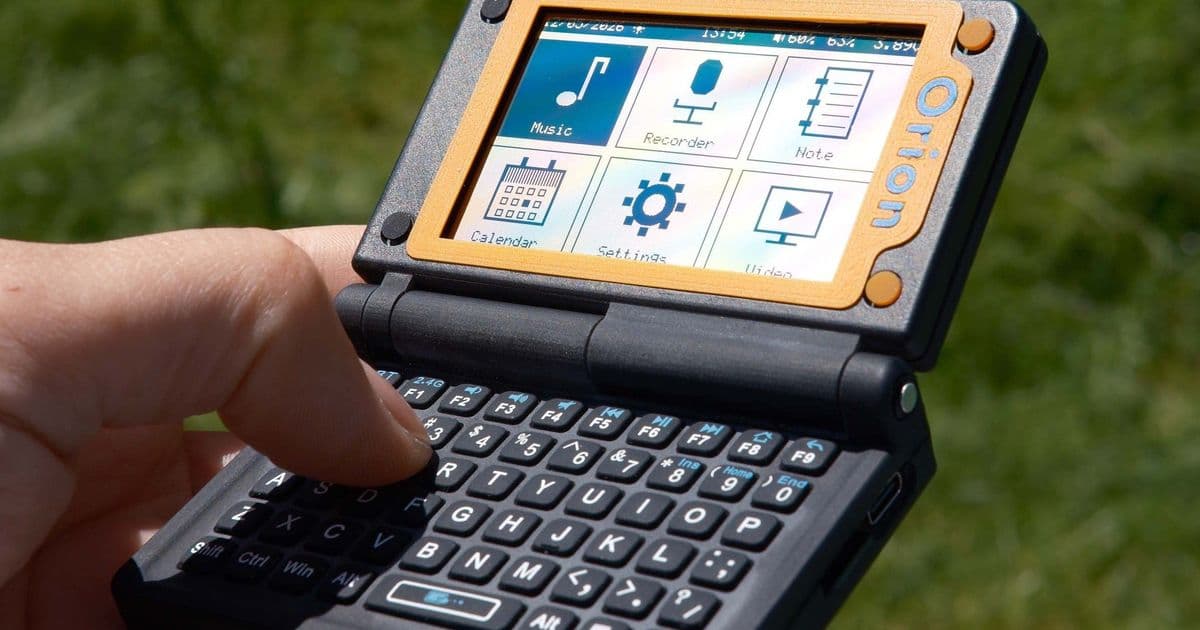
The Orion PDA brings back the classic personal digital assistant concept with a modern twist, featuring solar charging and a physical keyboard in a DIY package that could appeal to enthusiasts and those seeking offline productivity.
What's New: The Orion PDA
The Orion PDA represents a fascinating revival of the Personal Digital Assistant category, a device class largely overshadowed by modern smartphones. What sets this device apart is its combination of nostalgic design elements with practical modern features, most notably the integration of solar charging technology directly into the device's lid.
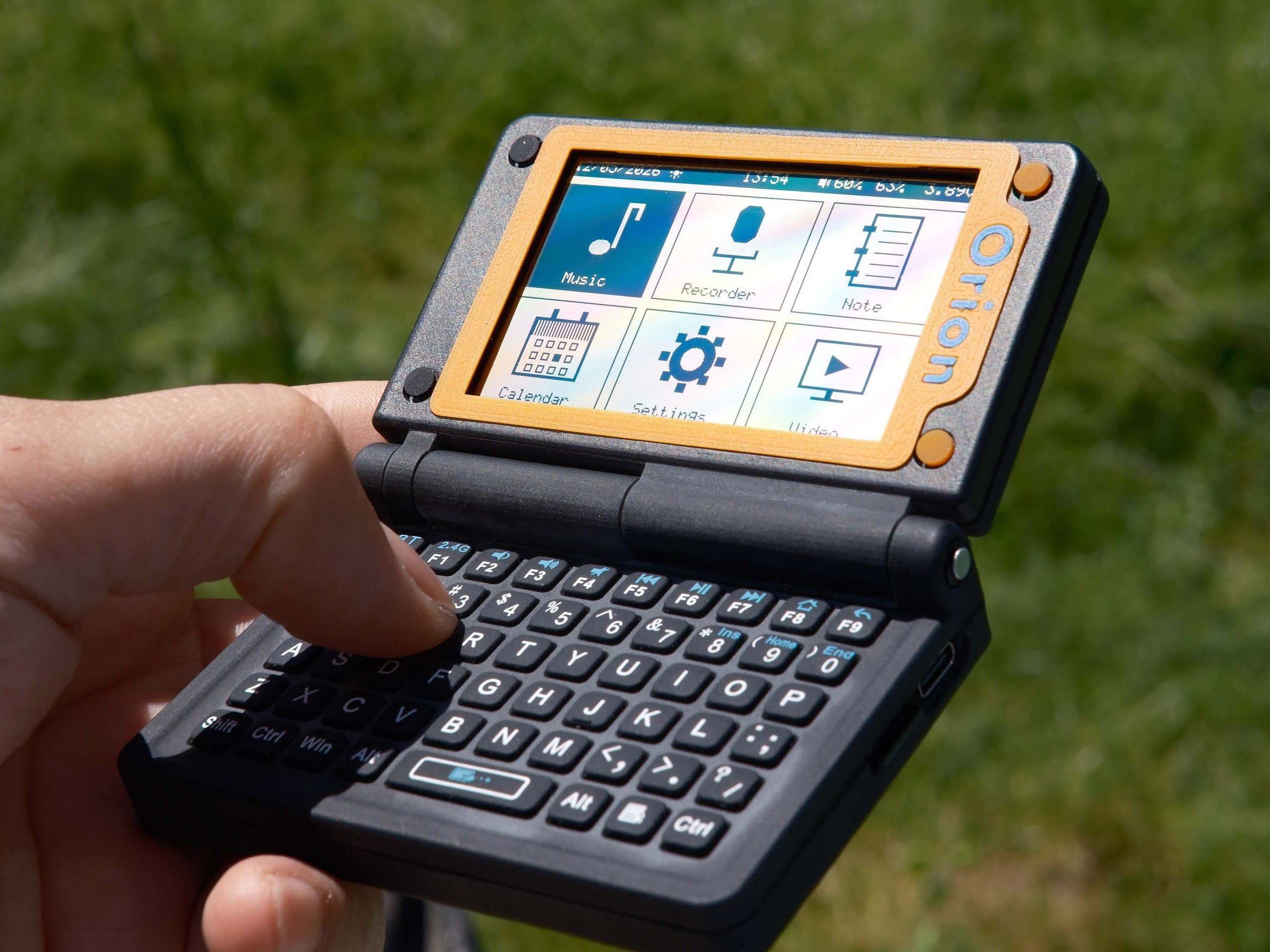
At its core, the Orion PDA utilizes an STM32U System-on-Chip, chosen specifically for its low power consumption characteristics. This processor choice ensures the device can operate efficiently while maintaining extended battery life, a crucial factor when implementing solar charging capabilities. The display is a monochrome LCD with a resolution of 536 x 366 pixels—significantly lower than modern smartphone displays, but optimized for readability in various lighting conditions, including direct sunlight.
The device includes a full QWERTY keyboard, a feature increasingly rare in mobile devices today. This physical input method promises faster text entry compared to on-screen alternatives, particularly beneficial for note-taking and data entry tasks. Additional connectivity options include a headphone jack for audio playback, a microphone for voice recording, and a USB-C port serving triple duty: charging the device, performing firmware updates, and syncing data with other devices.
Storage expansion is handled via microSD card support, allowing users to carry larger amounts of data without relying on cloud connectivity. The solar cell integrated into the lid represents the most innovative feature, potentially extending battery life indefinitely under proper lighting conditions, making the device particularly appealing for outdoor or field use.
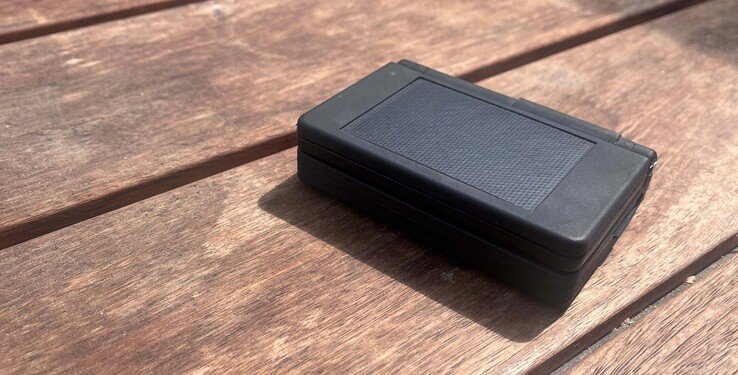
A solar module is on board, which could significantly extend battery life even without charging.
How It Compares
When placed alongside its predecessors, the Orion PDA offers several improvements while maintaining the core PDA philosophy. Traditional PDAs from the 1990s and early 2000s typically featured monochrome displays, basic organization software, and minimal connectivity. The Orion improves upon this with a more efficient processor, USB-C connectivity, and solar charging capabilities.
However, the device falls significantly short when compared to modern smartphones. The 536 x 366 pixel display lacks color support and offers significantly less screen real estate than even budget smartphones today. The processing power, while adequate for basic PDA functions, cannot handle complex applications or modern mobile operating systems like Android or iOS.
The lack of cellular connectivity might seem like a limitation at first glance, but it actually positions the Orion PDA in a unique category. In an era where privacy concerns are increasingly prominent, the device's offline nature could be viewed as a security advantage. Without the ability to connect to networks, the PDA cannot be remotely accessed or compromised through traditional attack vectors.
Compared to other niche mobile devices like the Punkt MP02 or Light Phone, which focus on digital minimalism, the Orion PDA offers more functionality through its physical keyboard and expandable storage. However, it lacks the cellular connectivity that makes those devices practical as communication tools.
The DIY nature of the Orion PDA also sets it apart from commercial products. Rather than a finished consumer device, it's positioned as a project for enthusiasts, similar to how single-board computers like the Raspberry Pi are marketed. This approach allows for customization but requires technical knowledge to assemble and configure properly.
Who It's For
The Orion PDA is clearly not intended as a mainstream consumer device. Its target audience consists of several specific user groups who might find particular value in its design philosophy and feature set.
For technology enthusiasts and retro computing hobbyists, the Orion PDA represents an opportunity to experience the PDA concept with modern enhancements. The DIY nature of the project appeals to those who enjoy tinkering with technology and customizing their devices to their specific needs. The monochrome display and simplified operating system evoke nostalgia for earlier computing eras while incorporating contemporary conveniences like USB-C connectivity.
Professionals working in environments where digital minimalism is beneficial might also find value in the Orion PDA. Field researchers, archaeologists, or outdoor workers who need to record data without the distractions of modern smartphones could benefit from the device's focused functionality. The solar charging capability makes it particularly suitable for outdoor use where power access might be limited.
Security-conscious users represent another potential audience. The lack of network connectivity eliminates many digital threats that plague modern devices. For storing sensitive information like passwords, notes, or personal data, the Orion PDA offers a more isolated environment than internet-connected devices.
Developers and programmers working on embedded systems or IoT projects might appreciate the Orion PDA as a testing platform or specialized tool. The STM32U SoC is commonly used in embedded development, making the device relevant for those working in this space.
The device could also appeal to educators looking for a simplified computing platform to teach basic digital literacy without the complexities and distractions of modern operating systems. Its straightforward interface and limited functionality might make it more approachable for beginners than full-featured smartphones.
Practical Considerations
While the Orion PDA offers interesting features, potential buyers should consider several practical aspects before committing to the device. The DIY nature means users will need technical skills to assemble and configure the device properly. This might include installing the operating system, configuring connectivity options, and potentially troubleshooting issues.
The display, while optimized for sunlight readability, offers limited functionality due to its monochrome nature and low resolution. Users accustomed to modern smartphone displays might find the experience restrictive, particularly for media consumption or complex applications.
Battery life, while enhanced by solar charging, would still be dependent on environmental conditions. Users in consistently low-light environments might not benefit significantly from the solar cell, requiring traditional charging methods more frequently.
The device's lack of network connectivity, while beneficial for security, limits its practicality in many modern scenarios. Users who require internet access for email, web browsing, or cloud services would need to find alternative solutions or carry multiple devices.
The pricing information isn't provided in the source material, but given its DIY nature and specialized components, the Orion PDA is likely to be more expensive than budget smartphones while offering significantly less functionality. Potential buyers would need to weigh the unique features against the cost and determine if the trade-offs align with their needs.
Conclusion
The Orion PDA represents a fascinating experiment in reviving a nearly extinct device category with modern enhancements. Its combination of solar charging, physical keyboard, and offline functionality addresses specific use cases that mainstream smartphones don't adequately serve. While unlikely to appeal to general consumers, the device finds its niche among technology enthusiasts, security-conscious users, and professionals working in specialized environments.
The DIY approach allows for customization and community involvement, positioning the Orion PDA more as a project than a finished product. This could either appeal to its target audience or limit its adoption, depending on the technical comfort level of potential users.
As digital minimalism and privacy concerns continue to grow, devices like the Orion PDA might find increasing relevance despite their limitations. The success of this project will likely depend on the strength of its crowdfunding campaign and the enthusiasm of its target audience. If enough interest materializes, we might see a revival of specialized mobile devices that prioritize functionality and security over the all-encompassing nature of modern smartphones.
For more information about the Orion PDA project, interested individuals should monitor crowdfunding platforms and technology enthusiast communities for updates on availability and specifications. The device represents an interesting case study in how technology can evolve in different directions, catering to specific needs rather than following the mainstream trajectory of constant connectivity and increasing complexity.
Comments
Please log in or register to join the discussion