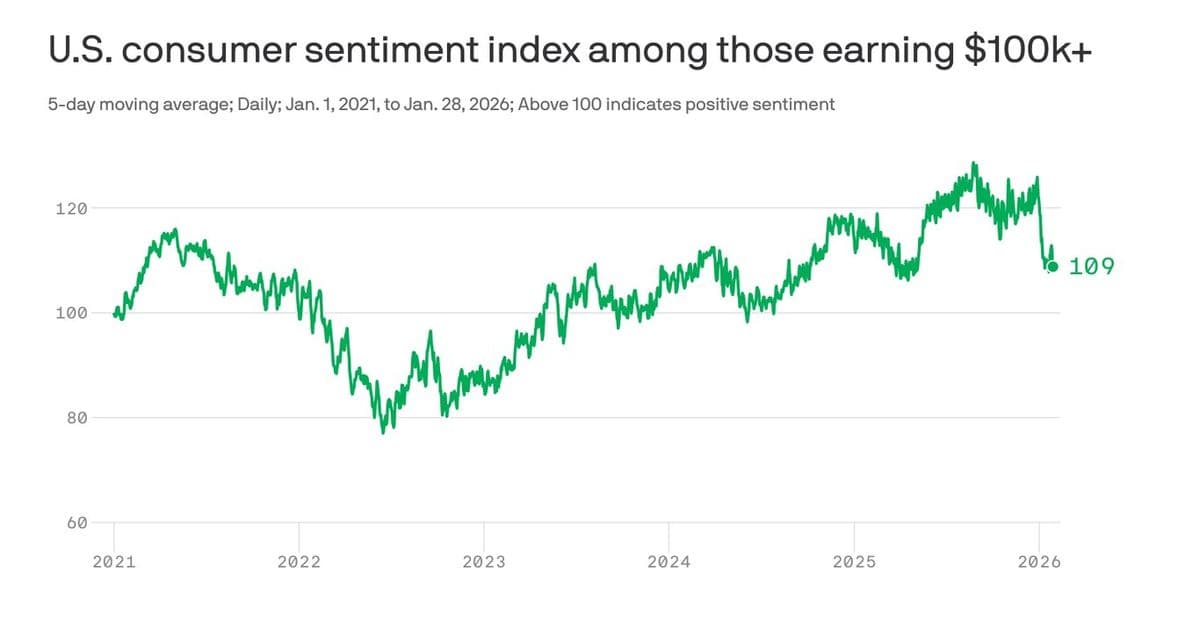
Amazon's recent layoffs are just the tip of the iceberg as high-earning professionals face a challenging job market with limited opportunities and increased competition.
The white-collar job market is experiencing a significant downturn, with high-earning professionals facing unprecedented challenges in finding new employment opportunities. Recent data and expert analysis paint a sobering picture of the current employment landscape for knowledge workers.
The Amazon Effect
Amazon's recent announcement of thousands of job cuts has sent ripples through the tech industry and beyond. While these layoffs grab headlines, they represent just one piece of a larger trend affecting white-collar workers across multiple sectors. The e-commerce giant's decision to reduce its workforce comes amid broader economic pressures and shifting business priorities.
Widespread Impact
Beyond the tech sector, professionals in finance, marketing, consulting, and other knowledge-based industries are experiencing similar challenges. Companies across various industries are tightening their belts, leading to hiring freezes and workforce reductions. This has created a highly competitive environment where even experienced professionals are struggling to secure new positions.
Market Statistics
Recent employment data shows that the unemployment rate for college-educated workers has risen to levels not seen since the early 2020s. The average time to secure new employment has increased by approximately 30% compared to pre-pandemic levels. Additionally, salary offers for new positions have remained stagnant or decreased in many sectors, despite the increased competition for available roles.
Industry-Specific Challenges
Different sectors are experiencing varying degrees of difficulty:
- Technology: Beyond Amazon, companies like Meta, Google, and Microsoft have also announced significant layoffs, creating a surplus of qualified candidates in the market.
- Finance: Investment banks and financial services firms are reducing headcount as market volatility affects their bottom lines.
- Consulting: Management consulting firms are seeing reduced client spending, leading to fewer projects and job opportunities.
- Marketing: Digital marketing agencies are consolidating as companies reassess their advertising budgets.
Geographic Variations
The impact of the white-collar job market downturn varies by region. Traditional tech hubs like Silicon Valley, Seattle, and New York are experiencing particularly acute challenges, while some secondary markets are seeing relatively better conditions. However, the overall trend remains negative across most major metropolitan areas.
Remote Work Implications
The shift to remote work, initially seen as a positive development for job seekers, has actually intensified competition in many fields. Companies can now hire from a broader geographic pool, meaning local candidates must compete with talent from across the country and even internationally. This has particularly affected mid-level positions, where the candidate pool has expanded significantly.
Skills Gap and Adaptation
Despite the challenging market, certain skills remain in high demand. Professionals with expertise in artificial intelligence, data analytics, and cybersecurity are finding more opportunities than those in traditional roles. However, the rapid pace of technological change means that many workers need to continuously update their skills to remain competitive.
Economic Factors
Several economic factors are contributing to the challenging job market:
- Interest Rates: Higher interest rates have led to reduced business investment and slower economic growth.
- Inflation: Persistent inflation has forced companies to cut costs, including labor expenses.
- Market Uncertainty: Ongoing geopolitical tensions and economic uncertainty have made companies more cautious about hiring.
Expert Perspectives
Labor economists suggest that the current situation may persist for the foreseeable future. "We're seeing a fundamental shift in how companies approach hiring and workforce management," notes one economist. "The days of rapid expansion and generous compensation packages for white-collar workers may be behind us for now."
Adaptation Strategies
For professionals navigating this challenging market, experts recommend:
- Skill Development: Focus on acquiring in-demand technical and analytical skills.
- Networking: Maintain and expand professional networks, as many positions are filled through referrals.
- Flexibility: Consider contract or project-based work as a bridge to full-time employment.
- Geographic Mobility: Be open to relocation for the right opportunity.
Looking Ahead
While the current job market presents significant challenges for white-collar workers, some analysts suggest that this could be a cyclical downturn rather than a permanent shift. However, the nature of white-collar work may continue to evolve, with increased emphasis on productivity and demonstrable value to employers.
Conclusion
The white-collar job market is facing a period of significant adjustment, with Amazon's layoffs serving as a prominent example of broader industry trends. As professionals navigate this challenging landscape, adaptability and continuous skill development will be crucial for success. While the situation remains difficult, those who can demonstrate value and flexibility may find opportunities even in this competitive environment.
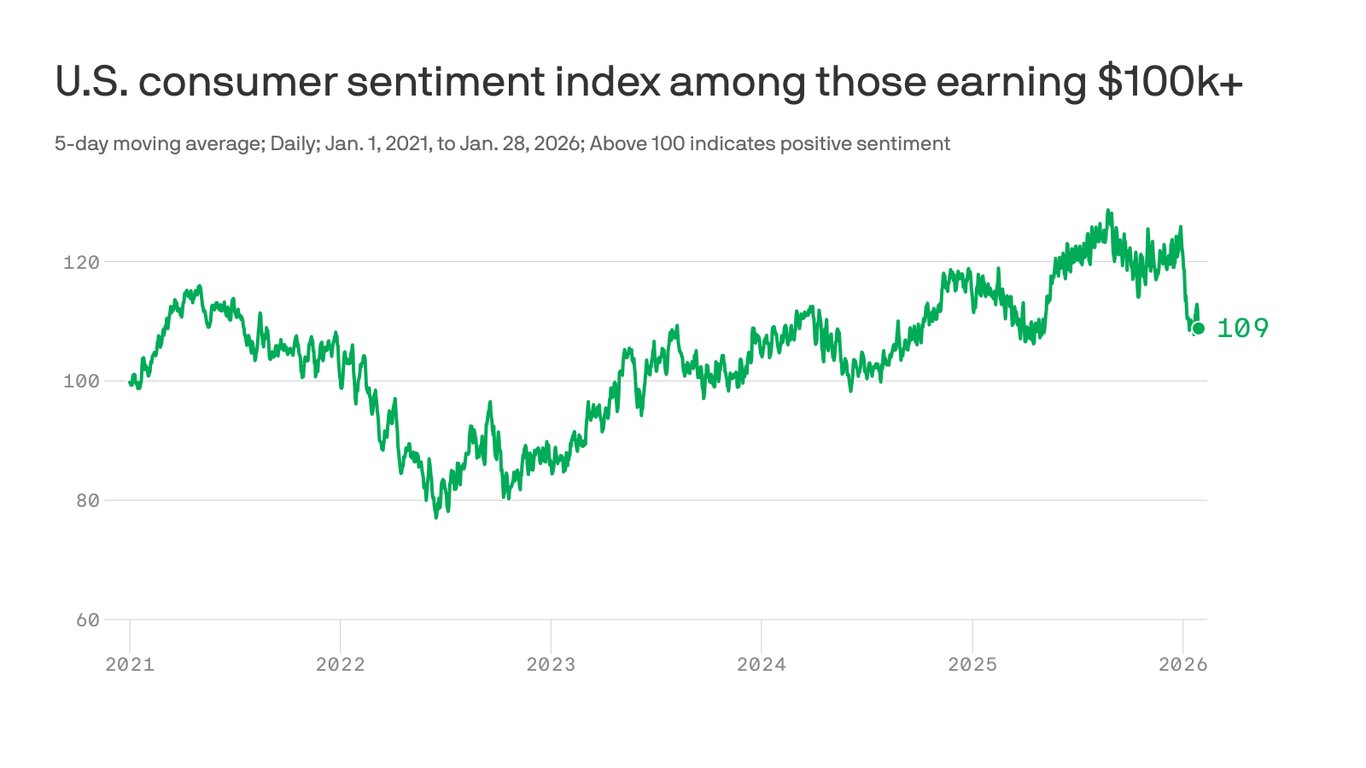
Comments
Please log in or register to join the discussion