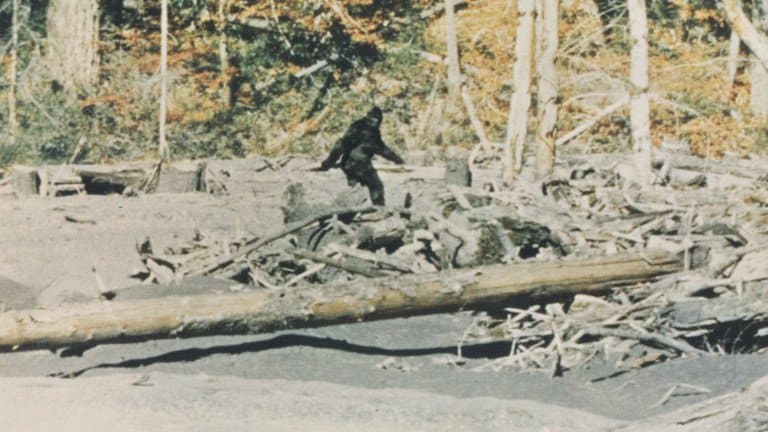
A new documentary explores why people believe in Bigfoot and what this reveals about conspiracy thinking in America.
The documentary Bigfoot Believers takes viewers deep into the world of cryptozoology, following amateur researchers who spend their weekends searching for evidence of the legendary creature. But beyond the blurry photographs and questionable footprints lies a more fascinating story about how humans process information and form beliefs in an era of uncertainty.
At first glance, Bigfoot hunting might seem like a harmless hobby for outdoor enthusiasts. The film shows groups of dedicated searchers using night vision cameras, recording strange sounds in the wilderness, and analyzing supposed hair samples. Some have been searching for decades, convinced that the next expedition will finally prove what they already know in their hearts to be true.
What makes this documentary particularly relevant is how it mirrors broader patterns of conspiracy thinking that have become increasingly visible in recent years. The Bigfoot community demonstrates many of the same cognitive processes that drive other conspiracy theories: pattern recognition gone awry, distrust of official explanations, and the powerful human need to find meaning in randomness.
One researcher featured in the film explains that he started searching for Bigfoot after a personal tragedy. He found comfort in believing there were still mysteries in the world, things that science couldn't explain. This emotional component is crucial to understanding why conspiracy theories persist even when faced with contradictory evidence.
The documentary also explores the social aspects of belief. Bigfoot hunters form tight-knit communities, sharing stories, equipment, and theories. They attend conferences, appear on podcasts, and maintain active online forums. This sense of belonging can be just as powerful as the belief itself, creating a feedback loop that reinforces existing ideas.
Interestingly, many Bigfoot believers are highly educated and scientifically literate in other areas of their lives. They often work in technical fields or have college degrees. This challenges the stereotype that conspiracy thinking is limited to the uneducated or irrational. Instead, it suggests that the human brain is wired to find patterns and meaning, sometimes even when none exist.
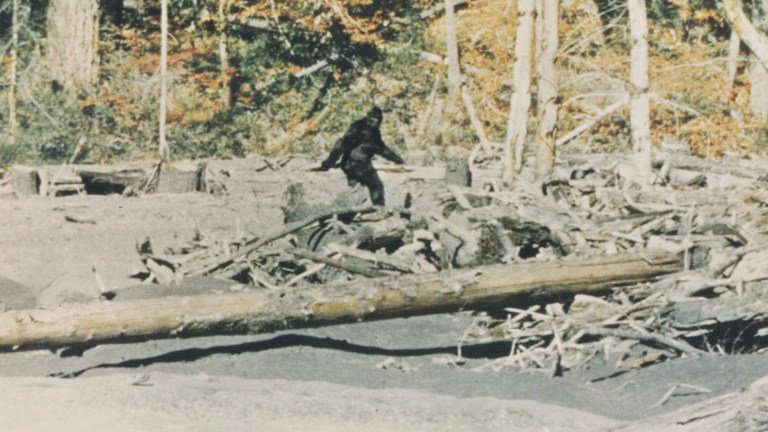
The film draws parallels between Bigfoot belief and other contemporary conspiracy theories, from QAnon to anti-vaccine movements. All share common features: distrust of mainstream institutions, belief in hidden knowledge, and the idea that powerful forces are concealing the truth. The documentary suggests that these beliefs often flourish during times of social upheaval or when people feel powerless.
What makes Bigfoot Believers particularly insightful is its refusal to simply mock its subjects. Instead, it treats them with respect while still maintaining a critical eye. The filmmakers interview psychologists who explain the cognitive biases at play, including confirmation bias (noticing evidence that supports your belief while ignoring contradictory information) and the availability heuristic (overestimating the likelihood of events that are easily recalled).
The documentary also touches on the role of media in perpetuating these beliefs. From The X-Files to countless YouTube channels dedicated to cryptozoology, popular culture has long been fascinated by the idea that there are things lurking in the shadows. This entertainment value can blur the lines between fiction and reality for some viewers.
Perhaps most importantly, the film raises questions about the nature of truth and evidence in the modern world. In an era of "fake news" and alternative facts, how do we determine what's real? The Bigfoot hunters' insistence that they know the truth, despite lacking scientific proof, mirrors the way many people approach controversial topics today.
One particularly telling moment comes when a researcher is shown a scientific study debunking Bigfoot evidence. Rather than reconsidering his position, he points out flaws in the study's methodology. This defensive reaction is common among conspiracy theorists and highlights how belief can become more about identity than about facts.
The documentary concludes by suggesting that understanding conspiracy thinking requires empathy rather than judgment. People don't believe in Bigfoot or other conspiracy theories because they're stupid or crazy. They believe because these ideas fulfill emotional and social needs, provide a sense of control in an uncertain world, and offer membership in a community of like-minded individuals.
Bigfoot Believers ultimately serves as a mirror, reflecting back our own tendencies toward pattern recognition and meaning-making. Whether we're searching for a mythical creature in the woods or trying to make sense of complex social issues, we all engage in some form of conspiracy thinking. The question is how we can maintain healthy skepticism while still being open to new ideas and experiences.
The film's greatest achievement may be its ability to make viewers question their own beliefs and assumptions. After watching, you might find yourself wondering: what am I convinced of that might not be true? What evidence would it take to change my mind? These are uncomfortable questions, but they're essential for critical thinking in an age of information overload.
As the documentary shows, the search for Bigfoot is really a search for meaning, certainty, and connection. Understanding this human need might be the first step toward bridging the divides that conspiracy thinking creates. Whether Bigfoot exists or not, the beliefs surrounding it reveal something profound about the human condition and our relationship with truth in the modern world.
Comments
Please log in or register to join the discussion