
Product teams often prioritize new features over improving access, but the most successful tech products—like Google Search, Excel, and ChatGPT—thrive by offering multiple entry points to their core value. This 'multi-door' design philosophy unlocks broader adoption and deeper engagement by meeting users where they are, not where the product dictates. Discover why building doors, not just rooms, is the overlooked strategy powering platform resilience and user loyalty.
Product managers and engineers constantly wrestle with roadmaps: Should they build new features or refine existing ones? Yet, a powerful third option often gets overlooked—building new access points to existing value. This concept, termed "multi-door products," reveals a critical blind spot in product strategy and offers a path to unlocking untapped growth.
 “Two Doors, Greek Village” by Suren Nersisyan visually embodies the core concept: multiple paths to the same destination.
The revelation often comes unexpectedly. One product manager, while analyzing dashboard analytics, discovered a puzzling cohort: users who exported massive volumes of raw data but rarely interacted with the dashboard itself. Interviews revealed these were power users embedded in workflows powered by Looker, Tableau, or Excel. They didn’t need a better dashboard; they needed direct access to the data. The existing interface was merely a 'front door,' but these users required a 'side door'—an API. This signaled a demand not for a new feature (a new room), but for a new way in (a new door).
The Multi-Door Principle: One House, Many Entrances
Imagine your product as a house. The core value—the reason users hire it—resides inside. Users need doors to access that value. Multi-door design means providing distinct, purpose-built entry points:
Google Search: Its 'house' is the search index. Billions use the simple text box (front door). Power users leverage
site:orfiletype:operators (specialized door) to access the same index more precisely.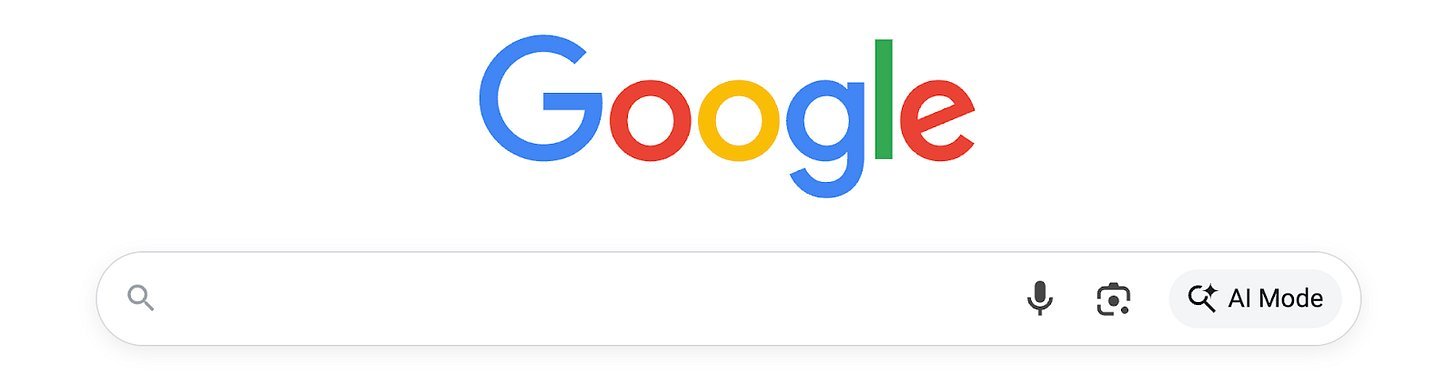 Google's search operators represent a powerful, often hidden, door to its core indexing capability.
Microsoft Excel: The 'house' is computational power. Casual users navigate the ribbon GUI (front door). Analysts and bankers fly through tasks via keyboard shortcuts (high-efficiency door) to achieve the same calculations.
ChatGPT: The 'house' is generative reasoning. Most interact via chat (front door). Others use voice commands or the API (alternative doors) to tap the same intelligence in different contexts.
The Critical Distinction: Door vs. Room
Product roadmaps frequently deprioritize 'door' features in favor of 'room' features:
- Room: Adds new functionality or capability (e.g., adding a calendar view to a to-do app).
- Door: Adds a new access point to existing functionality (e.g., adding Siri integration to that same to-do app).
Without this lens, door features risk being mislabeled as 'scope creep' or 'edge cases' and pushed down the backlog. This is a strategic error. Building doors doesn't dilute the core product; it amplifies its reach and utility for diverse user segments and contexts. Google, Microsoft, and OpenAI invest in multi-door strategies because they understand: Sometimes the most efficient growth comes not from building new houses or adding rooms, but by installing more doors to the valuable house you already have.
The Invitation: Auditing Your Product's Accessibility
For technical leaders and product teams, embracing multi-door design requires a shift in perspective:
- Analyze Competitor Access: How do their power users extract value? What doors do they offer that you lack?
- Identify Access Gaps: Where do users need your core value but can't currently reach it effectively (e.g., offline, via API, on specialized devices, through automation)?
- Revisit Support Tickets & Backlogs: What recurring requests aren't about new features but about different ways to use existing ones? Is that 'edge case' actually a signal for a high-value door?
- Audit Recent Features: Examine your last ten shipped items. Were they predominantly rooms or doors? What does this reveal about your team's bias?
- Incentivize Doors: Do your performance reviews, OKRs, or rituals equally reward the creation of new access points alongside new capabilities?
Prioritizing multi-door design isn't about feature bloat; it's about strategic accessibility. By recognizing and building the diverse pathways users need to reach your product's core value, you unlock resilience, broaden impact, and build a more indispensable platform. The most enduring tech products aren't just feature-rich; they're access-rich.
Comments
Please log in or register to join the discussion