
New research in epigenetics, cultural transmission, and developmental processes challenges gene-centric views of evolution, prompting calls for an expanded framework that acknowledges multiple inheritance systems.
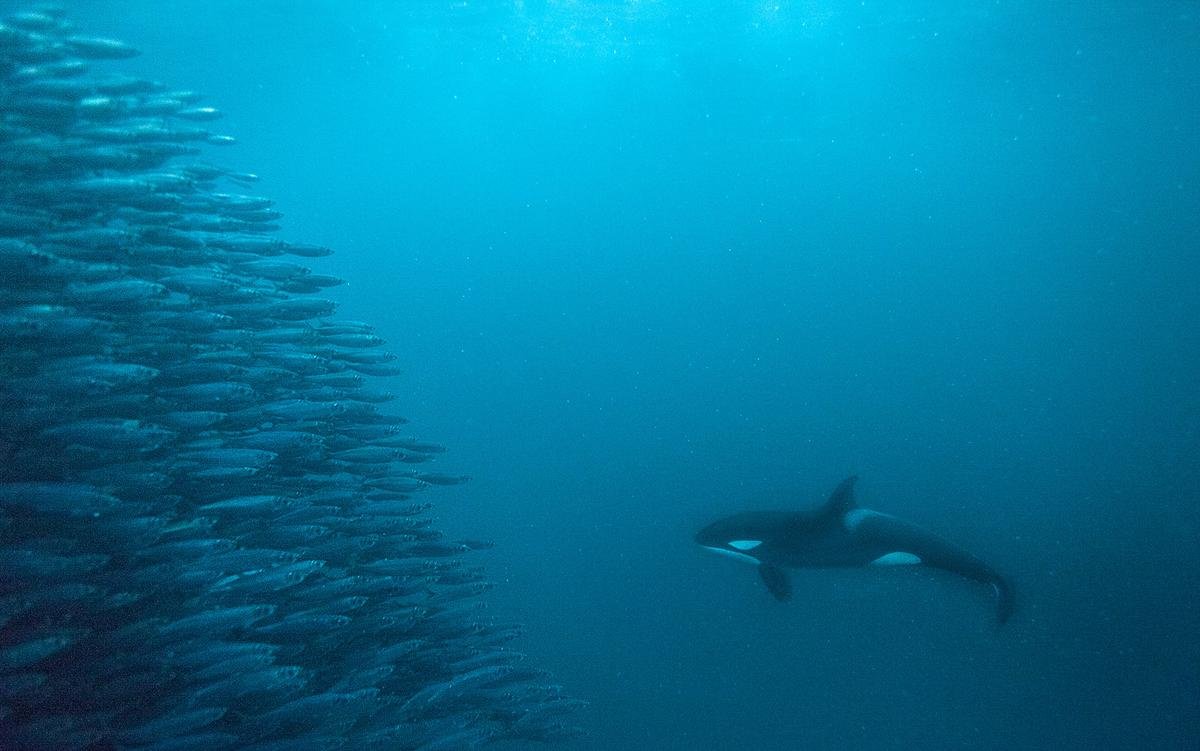
Featured image: Abstract representation of evolutionary complexity
For decades, evolutionary biology has been dominated by the Modern Synthesis – the elegant framework combining natural selection with Mendelian genetics. This paradigm explains adaptation through genetic variation shaped by natural selection, with DNA as the sole inheritance mechanism. Yet a growing body of research reveals this view may be incomplete.
When Emory University researchers discovered that mice could pass learned fear of almond scent to subsequent generations, it contradicted fundamental assumptions. Such findings exemplify why some biologists argue for an Extended Evolutionary Synthesis (EES) that recognizes development – how organisms grow and change during their lifetimes – as central to evolutionary processes.
The Epigenetic Dimension
Epigenetics demonstrates how environmental factors like diet or stress create chemical tags that switch genes on/off without altering DNA sequences. Crucially, some tags evade the typical reset during reproduction:
- Fear-conditioned mice passed trauma responses via sperm epigenetics
- Worms inherit antiviral defenses through RNA molecules across generations
- Plants transmit flowering time adaptations through epigenetic marks
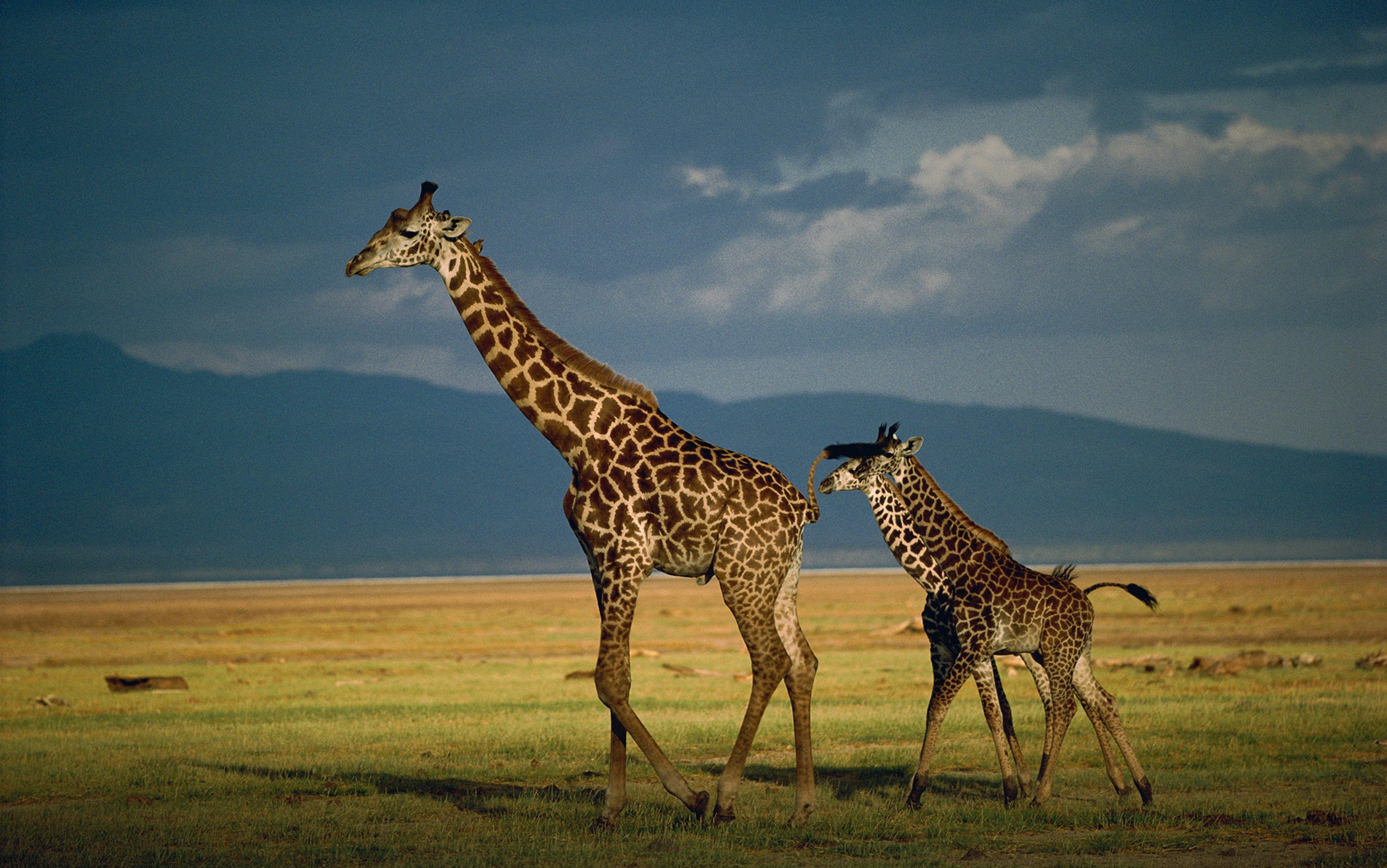
Image: Generational continuity in mammals
While critics initially dismissed epigenetic inheritance as rare or unstable, evidence now shows it affects functional traits and undergoes selection. Arabidopsis plants demonstrate epigenetic mutation rates sufficient for cumulative evolution, while mathematical models confirm epigenetic systems evolve differently than genetic-only systems.
Cultural Currents in Evolution
Beyond epigenetics, cultural transmission creates additional inheritance channels. Animal cultures once seemed uniquely human, but research reveals widespread traditions:
- Orca groups maintain distinct hunting cultures (fish specialists vs. marine mammal hunters) driving speciation
- Great tits raised by blue tits adopt foster species' foraging heights and mating calls
- Chimpanzee nut-cracking traditions persist for millennia, shown by archaeological evidence
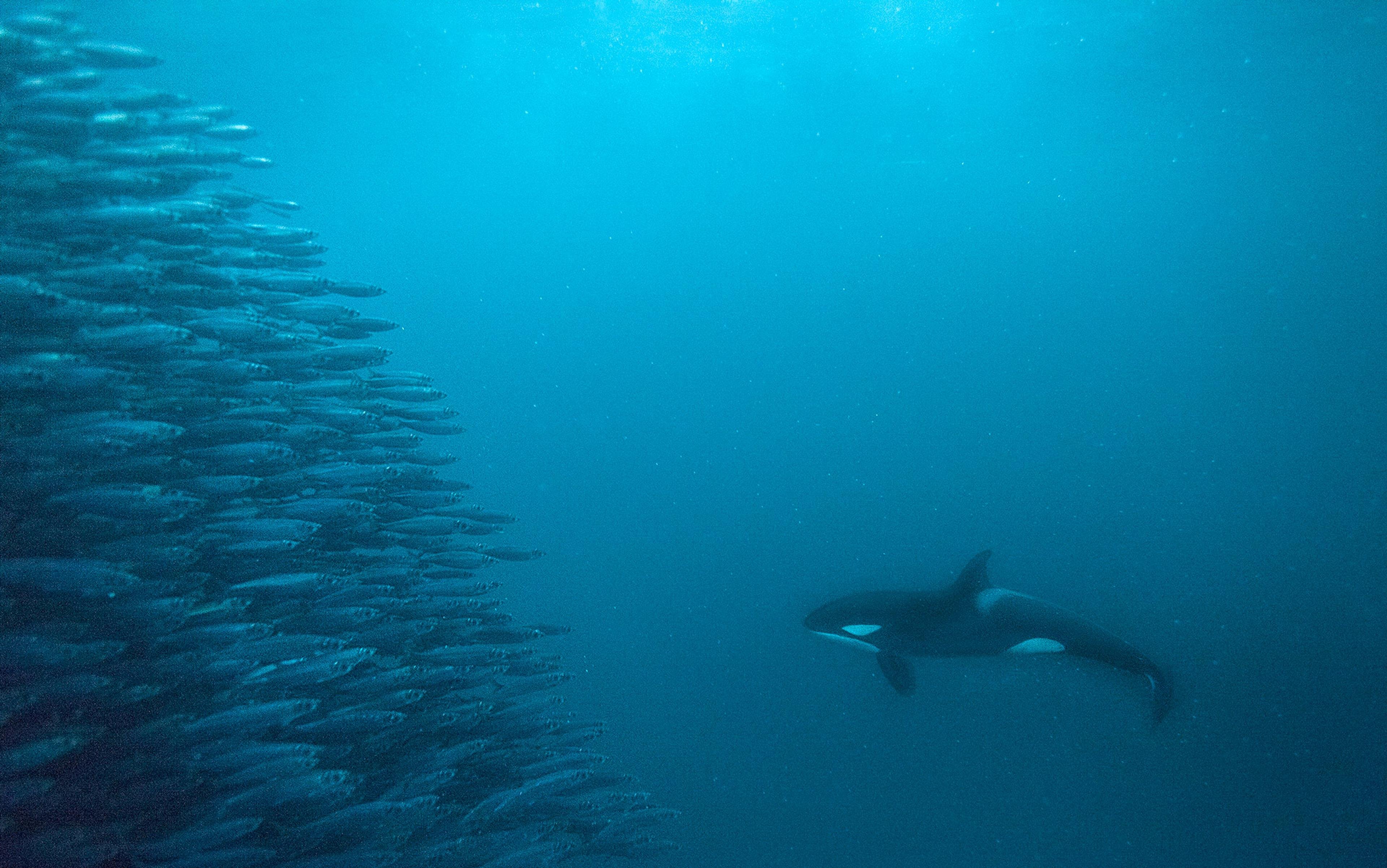
Image: Marine predator illustrating specialized foraging cultures
Cultural evolution operates faster than genetic change. Mate-choice copying in guppies and birds creates sudden shifts in sexual selection, while birdsong dialects accelerate reproductive isolation. These processes demonstrate how learned behaviors shape evolutionary trajectories.
Developmental Pathways
The EES also highlights developmental bias – how growth processes constrain and direct variation. Traditional views treat variation as random, but development creates predictable patterns:
- Cichlid fish in separate African lakes evolved near-identical body forms independently
- Rodent tooth patterns follow developmental blueprints predictable through mathematical models
- Mammalian molar configurations cluster around developmentally stable arrangements
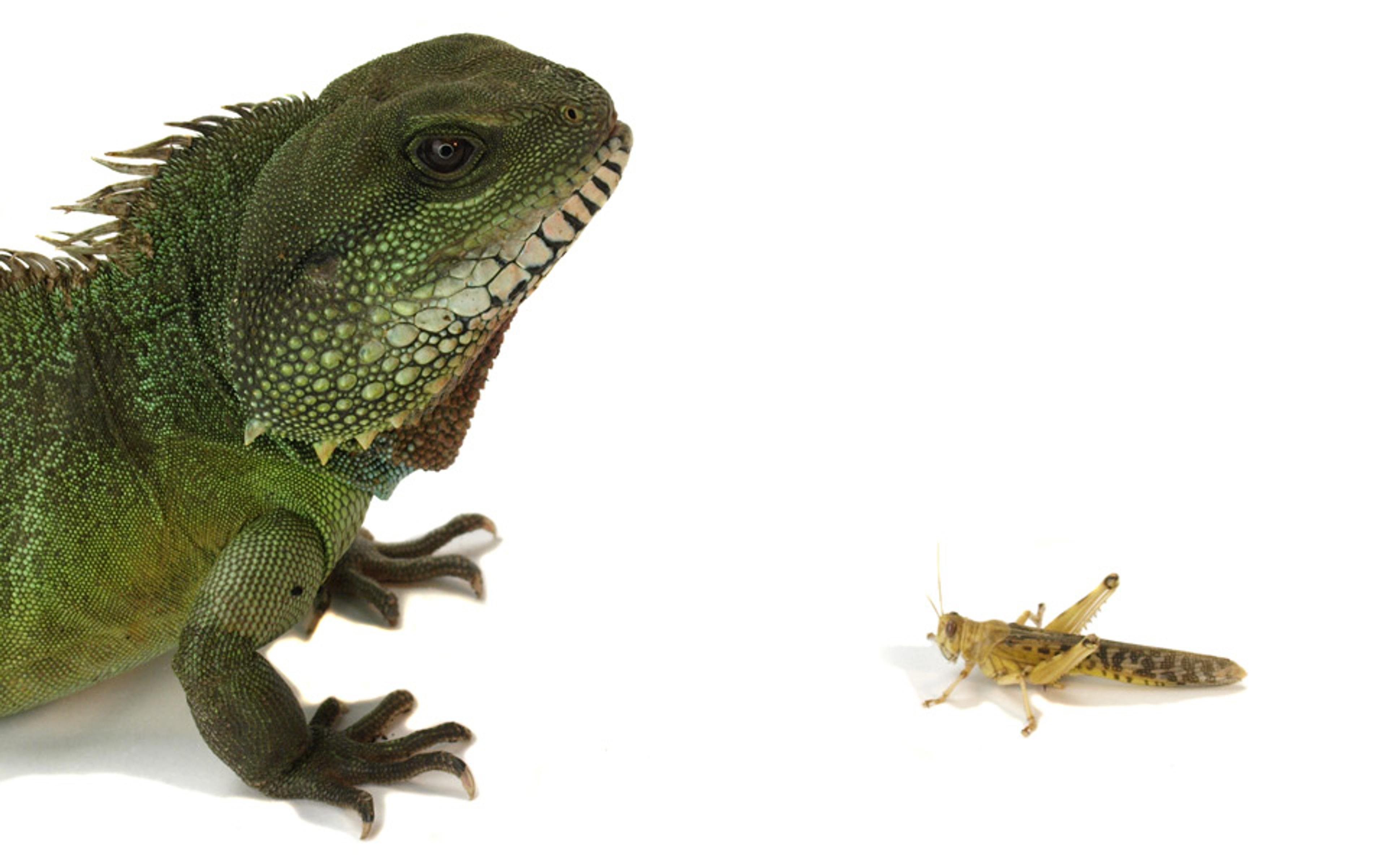
Image: Diverse evolutionary solutions influenced by developmental constraints
This parallel evolution suggests certain traits emerge more readily due to developmental architecture. Rather than viewing development as constraining selection, the EES sees it as directing evolutionary possibility.
Why No Revolution?
Despite dramatic findings, most proponents seek extension rather than overthrow of evolutionary theory. The hyperbolic 'revolution' narrative often stems from:
- Media sensationalism amplifying genuine scientific debate
- Creationists exploiting disciplinary discussions
- Career investments in established paradigms
As philosopher Imre Lakatos observed, science progresses through competing research programs. The EES functions this way – generating new hypotheses about how development, epigenetics, and culture interact with natural selection.
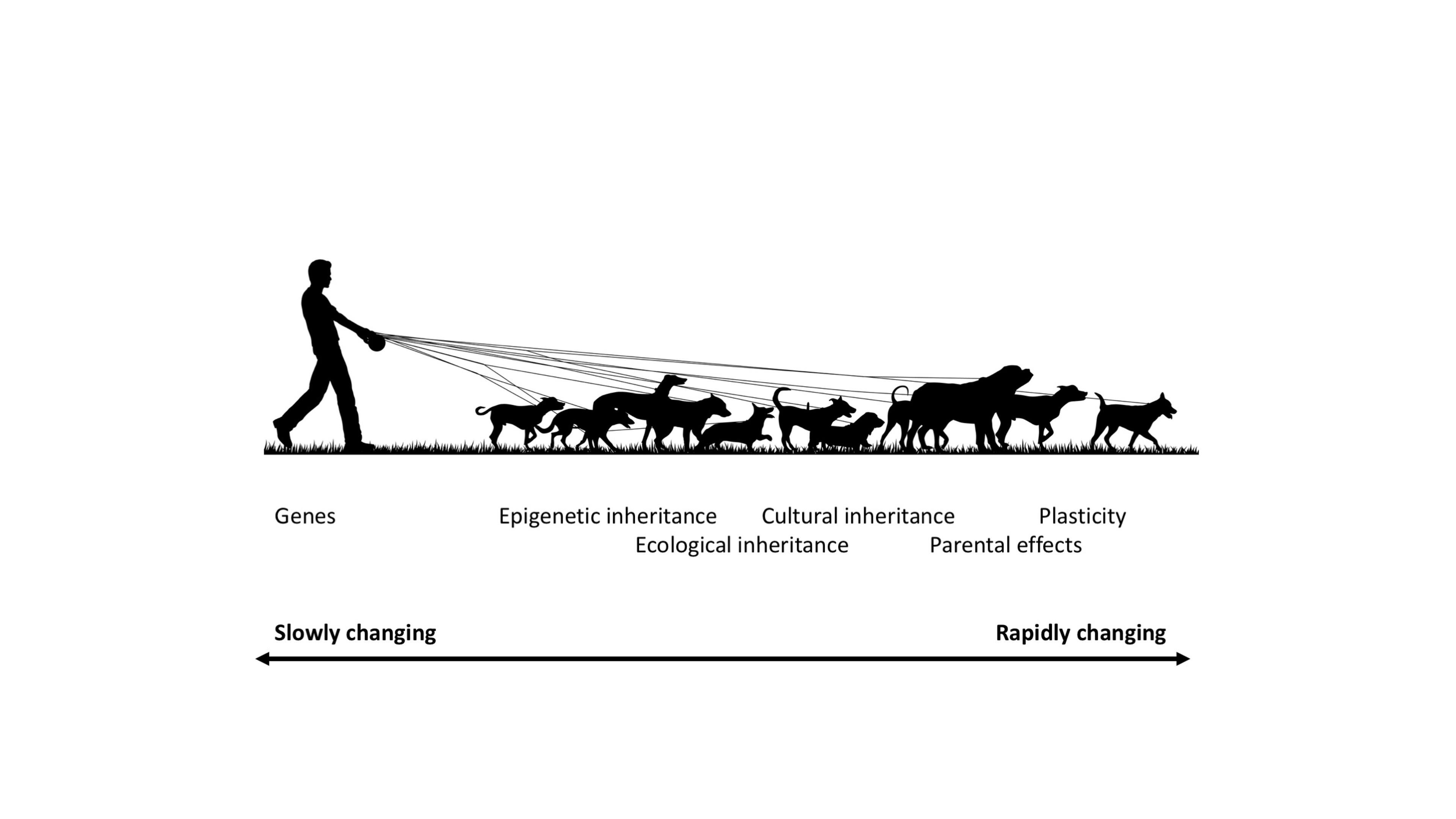
Image: Conceptual metaphor for multi-faceted evolutionary forces
Ongoing research examines how these processes interact: How do epigenetic changes influence developmental trajectories? Can cultural transmission buffer populations against selection pressures? What proportion of adaptation stems from non-genetic inheritance?
The Path Forward
The Extended Evolutionary Synthesis doesn't discard natural selection or genetics. Instead, it acknowledges evolution as multi-currency system where:
- Genetic changes operate over centuries
- Epigenetic adjustments span generations
- Cultural shifts transform populations within lifetimes
- Developmental processes bias evolutionary directions
This expanded view explains previously puzzling phenomena while opening new research avenues. As evidence accumulates, evolutionary theory continues evolving – not through cataclysmic revolution, but through gradual integration of life's astonishing complexity.
Comments
Please log in or register to join the discussion