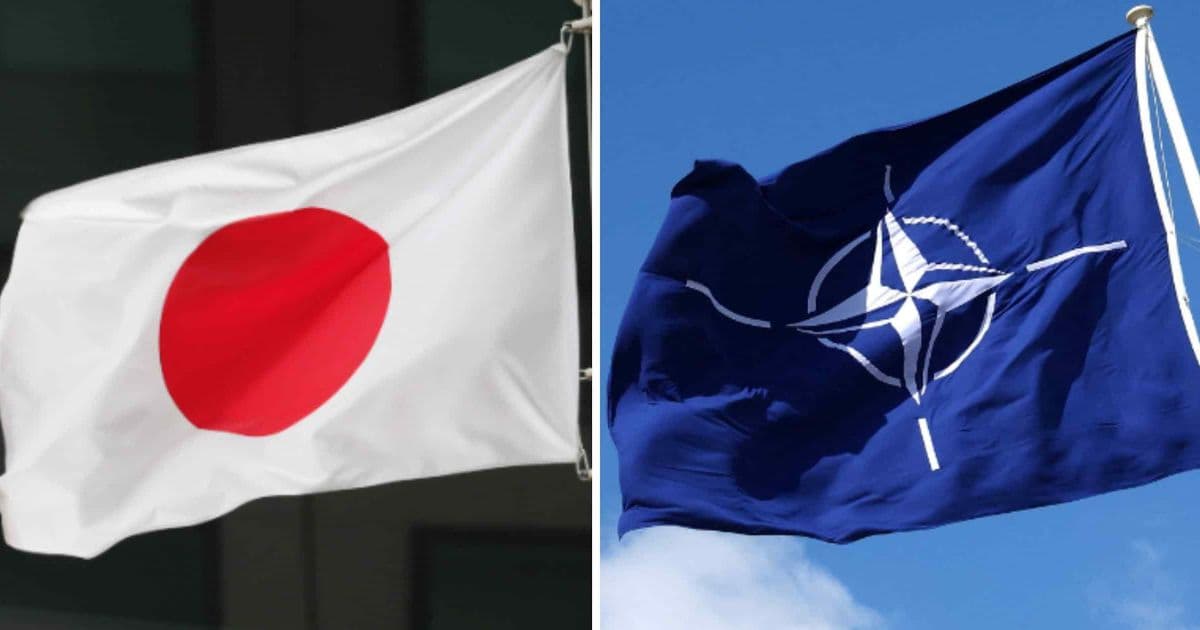
Japan is negotiating to become the first non-NATO member with access to the alliance's defense-tech accelerator, signaling deepening security ties as Tokyo seeks to bolster its military-industrial capabilities amid regional tensions.
Japan is in advanced negotiations to become the first non-NATO member granted access to the Western alliance's defense-tech accelerator, according to sources familiar with the discussions. The potential agreement would mark a significant expansion of Tokyo's defense industrial ties with the West as Japan seeks to modernize its military capabilities in response to growing regional security challenges.
Strategic Implications of the Partnership
The talks between Japan and NATO represent a strategic shift in how the alliance approaches defense technology collaboration. Currently, NATO's defense-tech accelerator primarily serves member states, providing startups and established companies with resources to develop cutting-edge military technologies. Granting Japan access would create a precedent for cooperation with key Asian partners.
Japan's deteriorating security environment has accelerated these discussions. The country faces mounting pressure from North Korea's missile program and China's expanding military presence in the East and South China Seas. Tokyo has been actively seeking ways to enhance its defense industrial base while maintaining its pacifist constitution.
What the Defense-Tech Accelerator Offers
The NATO defense-tech accelerator provides several key benefits to participating companies:
- Access to Western defense procurement networks
- Collaboration opportunities with NATO member state militaries
- Funding for prototype development
- Testing facilities and technical expertise
- Pathways to scale production for allied forces
For Japanese companies, particularly startups in the defense sector, this access could prove transformative. Many Japanese firms have struggled to break into international defense markets due to the country's post-World War II restrictions on arms exports.
Economic and Industrial Impact
The agreement could significantly boost Japan's defense industrial capabilities. Japanese companies would gain exposure to NATO's procurement processes and standards, potentially opening doors to supply chains that were previously inaccessible. This could help Japanese firms compete more effectively in the global defense market.
Industry analysts suggest that successful participation could lead to joint ventures between Japanese and Western defense companies, technology transfers, and the development of new military systems that incorporate both Japanese and NATO technologies.
Regional Security Context
The negotiations come amid heightened tensions in the Indo-Pacific region. Japan has been strengthening its security partnerships beyond its traditional alliance with the United States. Recent agreements with Australia, the United Kingdom, and European nations reflect Tokyo's strategy of building a network of security relationships to counterbalance regional threats.
NATO has also been increasing its focus on the Indo-Pacific, recognizing that security challenges in Asia have global implications. The potential Japan deal would formalize this strategic convergence between NATO and key Asian partners.
Timeline and Next Steps
While specific details remain confidential, sources indicate that negotiations are progressing and could result in an agreement within the next several months. The deal would likely include provisions for technology sharing, joint development projects, and mechanisms to ensure that sensitive technologies are protected.
If finalized, the agreement would represent a milestone in NATO-Japan relations and could serve as a model for similar partnerships with other non-NATO allies in the Indo-Pacific region.
What This Means for the Future
The potential access to NATO's defense-tech accelerator signals Japan's evolution from a passive security consumer to an active participant in global defense innovation. This shift could have long-term implications for the balance of military capabilities in the Indo-Pacific and the structure of international defense partnerships.
For NATO, the agreement would extend the alliance's technological reach into Asia and strengthen ties with a key democratic partner. For Japan, it represents an opportunity to enhance its defense industrial base while maintaining its commitment to peaceful development.
As negotiations continue, defense industry observers will be watching closely to see how this partnership develops and what precedents it might set for future cooperation between NATO and non-member states facing similar security challenges.
Comments
Please log in or register to join the discussion