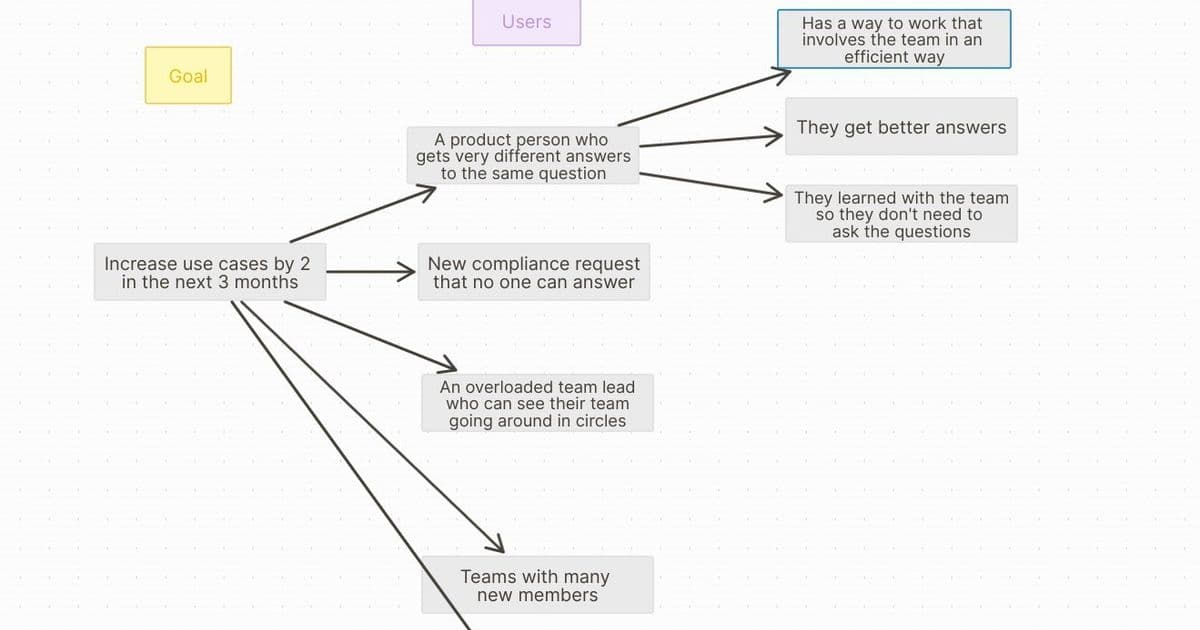
A developer reveals how applying impact mapping as a personal practice, rather than solely as a team workshop, transformed their approach to project goals and feature prioritization. The iterative solo process fostered deeper clarity on measurable outcomes and surfaced hidden assumptions, proving valuable for refining technical strategy.
Impact mapping, popularized by Gojko Adzic, is a staple technique for teams aiming to align software development with tangible business outcomes. Traditionally framed as a collaborative group exercise, its power for individual strategic thinking is often overlooked. Developer Ana discovered this firsthand when applying impact mapping solo to refine the direction of her Bytesize Architecture Sessions website after being inspired by Krisztina Hirth's talk, "Impact Mapping: The Secret Sauce" at Virtual DDD.
"While impact mapping is traditionally presented as a collaborative team technique, I find that it’s always valuable to also model things solo," Ana notes. "What struck me most was the great value it brought in focussing on outcomes and personas rather than features, making everything measurable by default."
The core revelation? Solo impact mapping thrives on iteration and reflection. Ana found immense value in working on the map, stepping away for several days, and returning with fresh eyes. This cyclical process allowed ideas to mature and underlying assumptions to surface naturally, leading to more robust strategic foundations. It forced continuous refinement of the central goal itself.
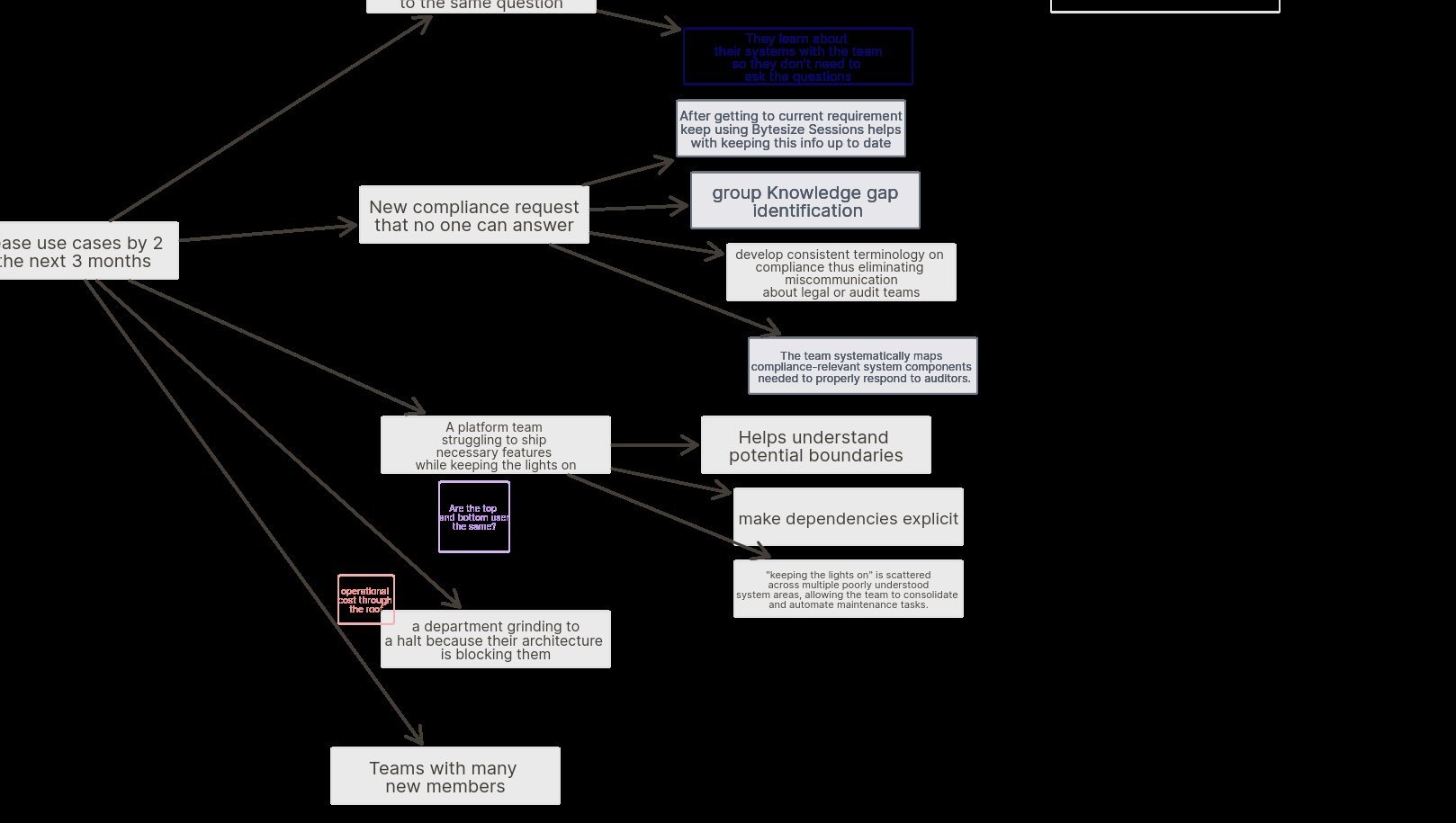 Ana's evolving Impact Map for Bytesize Architecture Sessions, showing progress through iteration.
"Perhaps the most intriguing aspect of solo impact mapping has been its effect on goal clarity," she explains. "I’m not 100% sure my goal is good, but the mapping process keeps making me think about it, which feels valuable in itself." This iterative questioning refines every aspect of the map – actors, impacts, and deliverables – turning it into a living strategic document rather than a one-off exercise.
Why This Matters for Developers & Tech Leaders:
- Shifts Focus from Features to Value: Forces consideration of why a feature exists and who benefits, preventing solutioneering.
- Creates Measurable Outcomes: Builds accountability by defining success metrics upfront.
- Surfaces Assumptions Early: The solo reflection space allows individual practitioners to challenge their own biases and validate core hypotheses before team discussions.
- Enhances Strategic Communication: A well-developed solo map becomes a powerful artifact to align stakeholders or team members later.
While Ana acknowledges her map is still evolving, the process has proven its worth. Solo impact mapping offers developers, architects, and technical leaders a structured yet flexible method to cut through ambiguity, define purpose, and build features driven by genuine impact, not just technical possibility.
Resources:
- Krisztina Hirth's Talk: Impact Mapping: The Secret Sauce (Replace with actual link if available)
- Gojko Adzic’s Book: Impact Mapping: Making a Big Impact with Software Products and Projects
- Mark Dalgarno’s Guide: Impact Mapping Practice Guide
- LogRocket’s Guide: Impact Mapping for Product Management
- Mark Levison’s Deep Dive: Maximizing Value from Impact Mapping
Comments
Please log in or register to join the discussion